
 New Zealand
 United States
 Canada

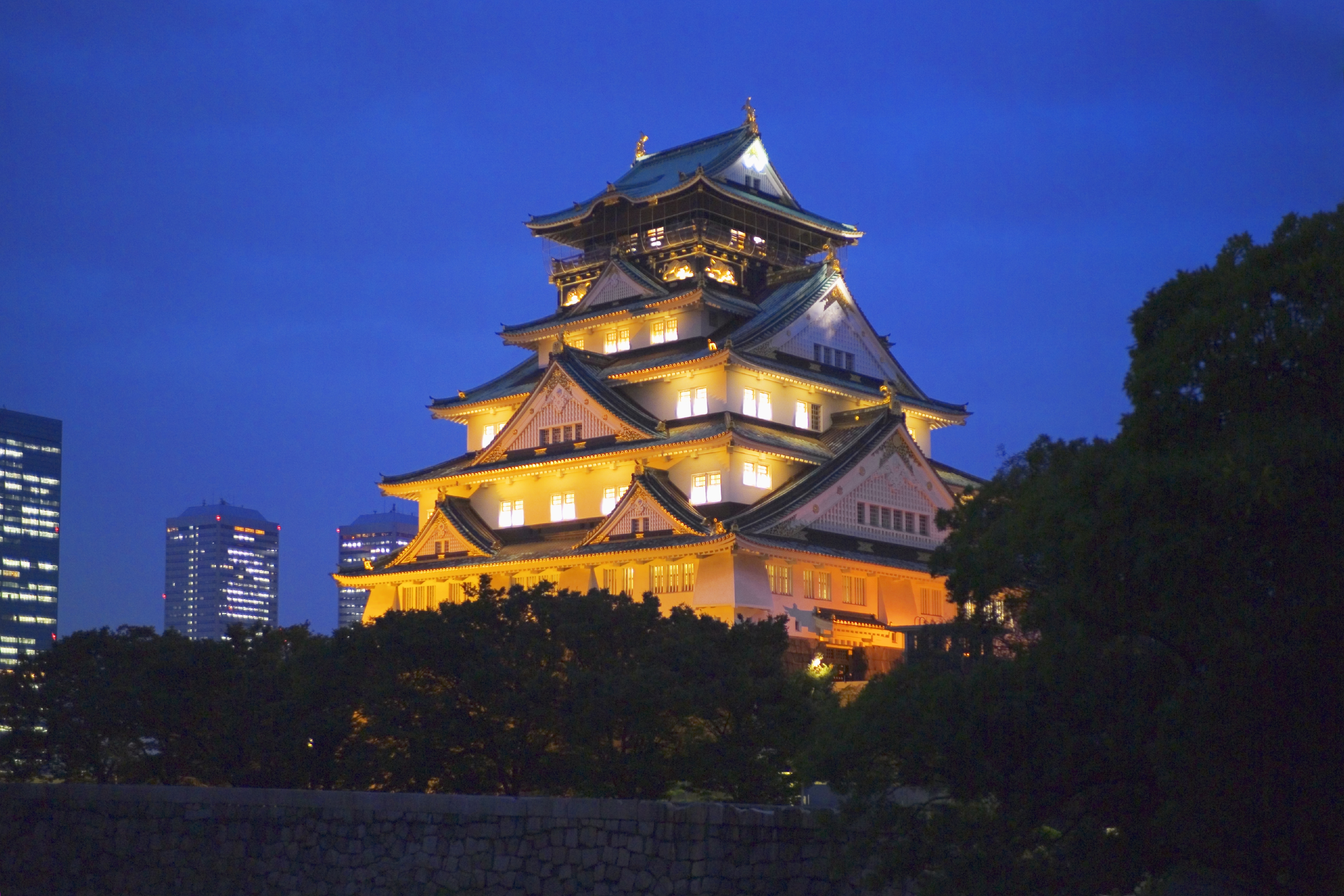
Japanese castles offer one of the clearest windows into the country’s feudal past. While castle sites can still be found across Japan, only 12 original keeps have survived the fires, wars and upheavals of the post-feudal era, making a visit to these landmarks especially memorable for travellers interested in history, architecture and place.
From mountain fortresses to lakeside marvels, Japanese castles are some of the most spectacular landmarks in the country. Built during feudal times to protect towns and project military power, many of these architectural masterpieces date back to the 16th and 17th centuries. Today, more than a hundred castles in Japan remain. They offer a fascinating look into the country’s rich history and traditional craftsmanship.
What makes them special? Unlike the stone fortresses of Europe, Japanese castles are designed to blend harmoniously with their surroundings. Many are perched on hilltops or nestled in gardens filled with cherry blossoms. Inside, you’ll find steep staircases, secret passageways, and displays of samurai history. These buildings were once home to daimyō, powerful feudal lords, and they still represent an era of ambition, conflict, and elegance.
If you’re heading to Japan and have an interest in architecture, photography, or culture, be sure to visit at least one of the country’s many historic castles. Here are five of the best castles in Japan—some world-famous, others under the radar.
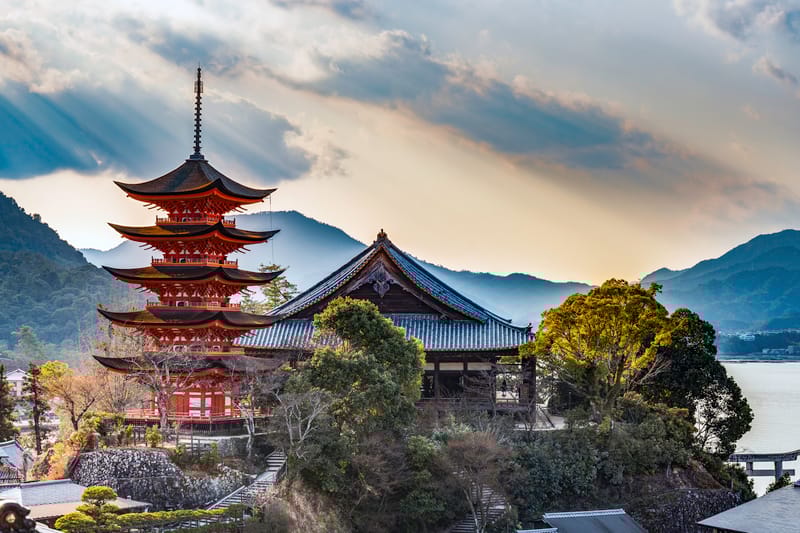
The role of castles in Japanese history
More than defensive strongholds, Japanese castles were crucial in shaping regional power and national identity. During the Sengoku period (15th to 17th centuries), rival clans constructed vast castle networks to protect their territories and house their armies. These fortresses were designed for warfare and intimidation, often built strategically to control important roads, rivers, or trade routes.
Castles took on a new purpose when peace was established under the Tokugawa shogunate. They became centres of governance and administration, home to samurai bureaucrats and their retainers. These structures symbolised political stability, often featuring more refined interiors and gardens to reflect cultural prestige rather than pure military strength.
Many castles remained administrative hubs until the Meiji era, when the government dismantled most of them to modernise the country. Today, restored castles and surviving originals provide a lens into Japan’s layered past, combining stories of warfare, leadership, and cultural evolution.
What makes Japanese castles unique?
Japanese castles are distinct from their European counterparts in several ways. For one, they’re often built on elevated ground, like hilltops or ridgelines, giving them strategic and visual prominence. Their interiors combine natural materials like timber and stone with elegant design details such as painted screens, curved gables, and decorative tiles.
More than military strongholds, castles in Japan symbolised prestige and power. Their locations near rivers or roads allowed daimyō to control key trade routes, while their ornate rooftops and landscaped gardens projected status. What sets Japanese castles apart is the way beauty and defence work together: white plastered walls, layered roofs and elegant silhouettes sit alongside maze-like approaches, elevated keeps and carefully planned sightlines designed to slow intruders
Today, these structures continue to inspire with their architectural grace and the way they harmonise with nature.
1. Himeji Castle
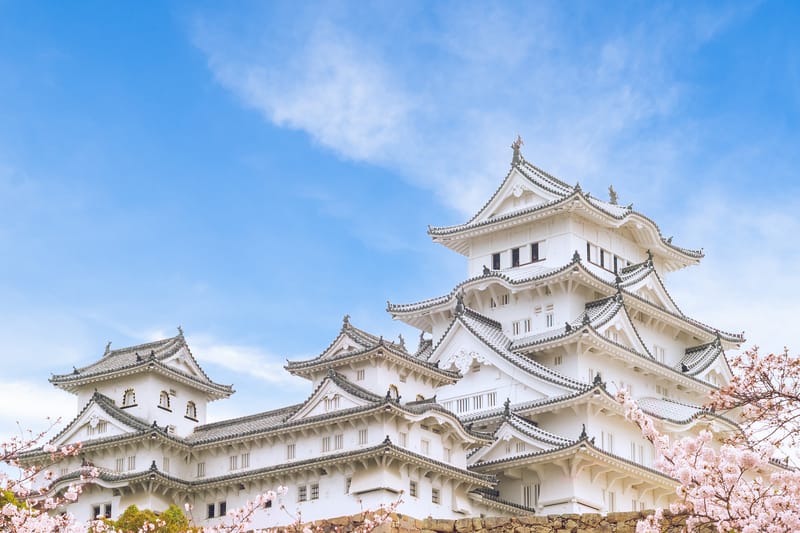
Arguably the most famous castle in Japan, Himeji Castle is the jewel of Hyogo Prefecture. Nicknamed White Heron Castle for its gleaming white walls and graceful shape, it’s considered one of the finest examples of Japanese architecture. Himeji Castle has survived wars, earthquakes, and fires largely unscathed and is one of only 12 original castles in Japan to retain its original keep.
As a UNESCO World Heritage Site, its winding paths, tall stone walls, and impressive keep make it one of the most beautiful Japanese castles to explore. Cherry blossom season in April brings thousands of visitors to the surrounding parkland.
2. Osaka Castle

Osaka Castle was originally built in 1583 by the powerful warlord Toyotomi Hideyoshi. Today, it stands at the heart of Osaka City, surrounded by moats, walls, and seasonal gardens. It’s one of the most iconic samurai castles, representing a key moment in Japan’s unification.
Although the original keep did not survive, the castle’s landmark main tower was rebuilt in 1931 and now houses a museum tracing Osaka Castle’s role in the struggles that shaped early modern Japan. Visit and learn about the region’s Japanese history while enjoying panoramic city views from the observation deck. In spring, the grounds are covered in blooming cherry trees, making it a favourite photo spot for locals and tourists alike.
Planning a trip through the Kansai region? Osaka Castle fits neatly into any itinerary alongside Kyoto, Nara, and Himeji—all easily accessible by train.
3. Nijō Castle
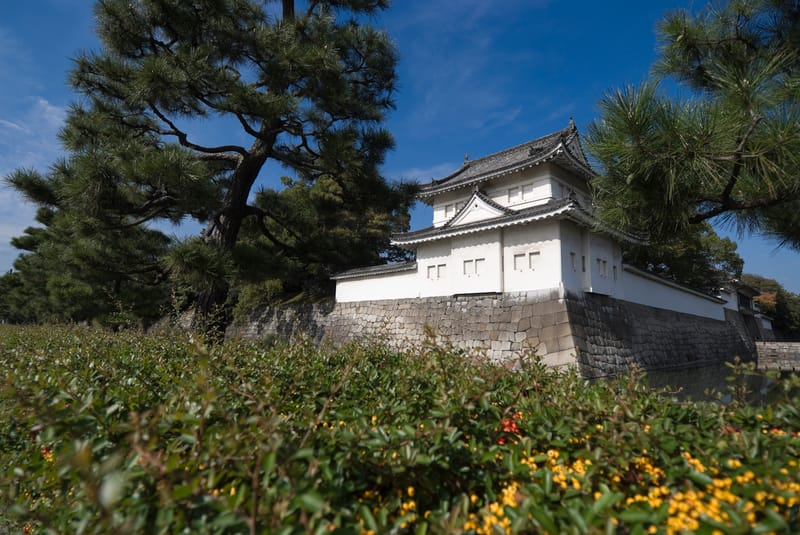
Located in Kyoto, Nijō Castle was built in 1603 as the Kyoto residence of Tokugawa Ieyasu, Japan’s first shogun. It’s not a towering fortress, but a lavish and sprawling palace surrounded by stone walls and moats.
The real highlight is Ninomaru Palace, with its famed “nightingale floors” that squeak underfoot to warn of intruders. Inside, you’ll see richly painted sliding doors and gold leaf artwork that reflect the opulence of Edo-period Japan. The gardens outside are equally impressive, especially during cherry blossom season.
Nijō Castle is often included in our Kyoto-based small group itineraries. It’s a chance to experience Kyoto castles and the elegance of Japan’s imperial past.
4. Matsuyama Castle
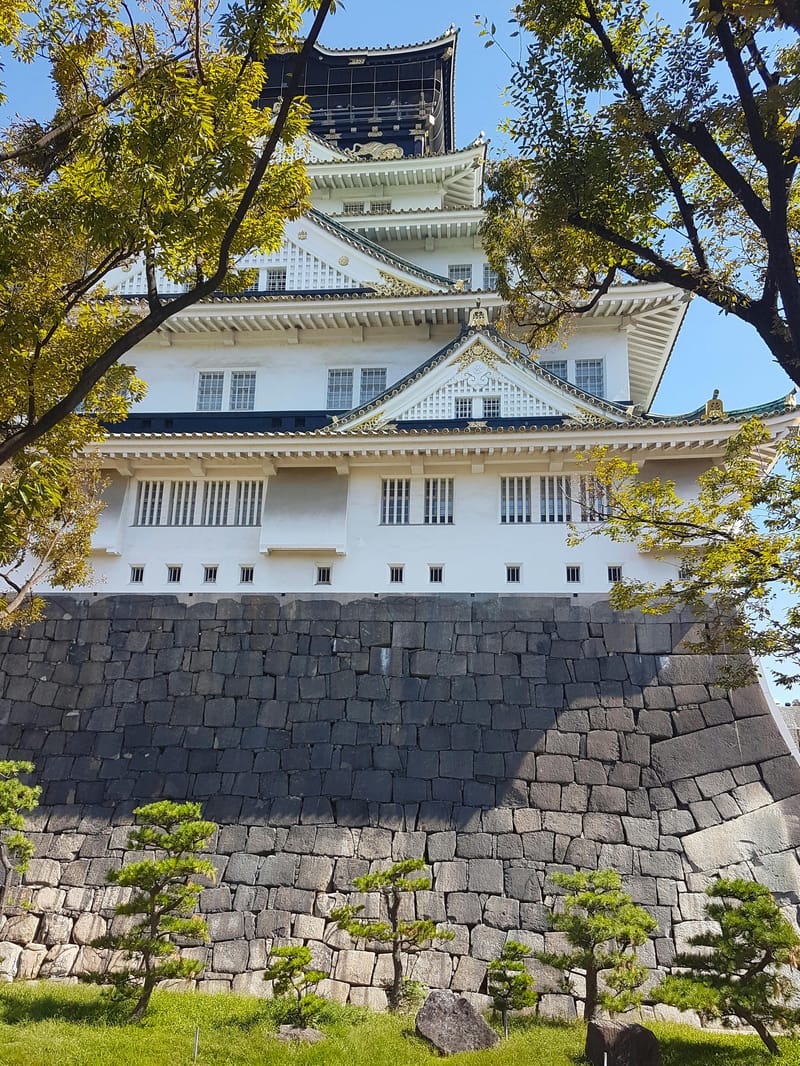
On the island of Shikoku, Matsuyama Castle rises above the city from its hilltop location on Mount Katsuyama. It’s one of just twelve remaining original castles in Japan and offers a fantastic view over the surrounding region.
Getting there is part of the fun. Visitors can ride a ropeway or climb through shady paths to reach the top. Once inside, you’ll find wooden interiors, displays of samurai armour, and insights into the everyday life of feudal Japan. It’s a quiet but rewarding stop, especially for travellers venturing beyond the usual Tokyo–Kyoto route.
5. Matsumoto Castle

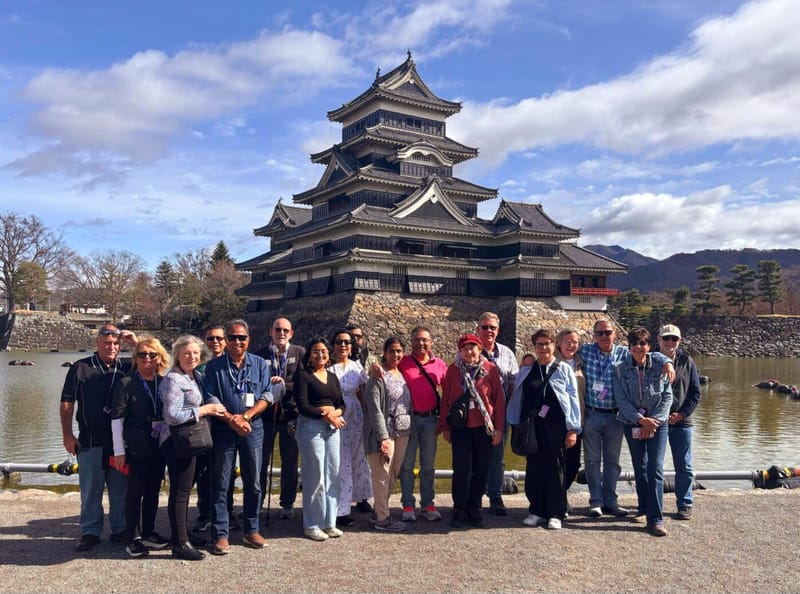
Nicknamed Crow Castle for its dark exterior, Matsumoto Castle in Nagano Prefecture is one of the country’s best-preserved samurai fortresses. It dates back to the late 1500s and features an imposing six-storey main tower that appears to float above its surrounding moat.
Matsumoto Castle isn’t just one of Japan’s most photogenic fortresses. Its main tower is widely recognised as the oldest surviving castle tower in the country, and the site is designated a National Treasure. That gives the dark, moated keep a weight and authenticity that’s hard to match elsewhere.
Inside, visitors climb steep stairs to reach the top floor, where the view stretches across the Alps. Spring brings a sea of cherry blossoms, while winter casts a dusting of snow over the black and white structure, creating a postcard-worthy scene.
Easily reached from Tokyo by train, Matsumoto is a great day trip or stop on a wider Japanese castle tour itinerary.
Other notable castles worth visiting in Japan
Beyond the top five, several other Japanese castles are worth exploring. One standout is Kumamoto Castle in Kyushu. Known for its massive stone walls and graceful curved foundations, it has been beautifully restored following damage from a 2016 earthquake.
Another favourite is Hikone Castle, located in Shiga Prefecture. It’s one of Japan’s five designated National Treasure castles, offering a charming lakeside setting and a remarkably preserved original keep.
In Tokyo, the Imperial Palace East Gardens sit on the site of the former Edo Castle. While the original fortress no longer stands, the serene gardens and stone ruins provide a peaceful contrast to the city's energy.
When is the best time to visit Japanese castles?
-
Spring (March to May): Cherry blossom season transforms castle parks into pink wonderlands
-
Autumn (September to November): Red and gold foliage adds contrast and beauty
-
Winter (December to February): Snow-dusted keeps provide dramatic photo opportunities
-
Summer (June to August): Lush greenery and summer festivals, but high humidity
For peak cherry blossom experiences, read our guide to cherry blossom season in Japan.
Tips for visiting castles in Japan
Many original keeps have steep wooden staircases and low ceilings, so a castle visit can feel more physically hands-on than a museum stop.
-
Wear slip-on shoes: Some interiors require shoe removal
-
Climb prepared: Many castles have steep, narrow staircases
-
Go early: Mornings are quieter and cooler
-
Buy combo tickets: Entry often includes gardens or museums
-
Check seasonal hours: Opening times vary with daylight and weather
-
Look for local guides: Audio tours or brochures enhance the experience
Castles and cherry blossoms: A match made in Japan
There’s no denying the visual magic of seeing a historic castle framed by delicate pink blooms. Many of Japan’s castles are surrounded by parks filled with cherry trees, making them some of the best spots in the country for hanami (blossom viewing).
Top spots for cherry blossom and castle views include:
-
Himeji Castle: Hundreds of trees encircle the outer moat
-
Hirosaki Castle (Aomori): Famous for its blossom-filled moats and tunnels
-
Odawara Castle (Kanagawa): A quick spring day trip from Tokyo
If you’re travelling during spring, it’s worth planning early. Castle parks are especially popular during sakura season, and the most sought-after dates can fill quickly on Japan itineraries built around blossom viewing.
Quick Guide to Japanese Castles
How many Japanese castles remain today?
Japan still has more than 100 castle sites to visit, but only 12 original keeps have survived intact from the post-feudal era.
What makes Japanese castles unique?
Unlike Europe’s stone fortresses, Japanese castles blend military strength with elegance, often surrounded by cherry blossoms and gardens.
Which are the most famous castles in Japan?
Himeji, Osaka and Matsumoto are among the best known. Himeji is UNESCO-listed, while Matsumoto is famed for its black exterior and historic wooden keep.
What is the best time to visit Japanese castles?
-
Spring (March–April): Cherry blossoms in full bloom
-
Autumn (October–November): Brilliant foliage
-
Winter (December–February): Snow-covered peaks for dramatic views
Which castles should I add to my Japan itinerary?
-
Himeji Castle – White Heron Castle
-
Osaka Castle – Symbol of unification
-
Nijo Castle – Nightingale floors
-
Matsuyama Castle – Scenic hilltop keep
-
Matsumoto Castle – Black “Crow Castle”
Discover Japan’s most beautiful castles
From soaring white towers to brooding black fortresses, Japanese castles offer a window into a world of power, artistry, and nature. Whether you’re chasing cherry blossoms, studying history, or snapping perfect photos, they’re a must for any traveller.
Join one of our Japan tours, like the Cherry Blossoms of Japan or the Independent Wonders of Japan with Hiroshima, to make it easy to explore the country’s historic sites, major cities, and cultural highlights in one trip.