 New Zealand
 United States
 Canada

As dawn breaks over the south-east of Sri Lanka, the landscape around Yala National Park slowly comes to life. Mist lifts from scrubland and lagoons, and the first sounds of the day begin to echo through the trees: bird calls, distant movement in the undergrowth, and the soft crunch of earth beneath unseen footsteps.
This is Yala National Park Sri Lanka, a place where wilderness still feels immediate and unfiltered. Spanning a diverse mix of forests, grasslands, lagoons and coastal habitats, it offers an ever-changing landscape where wildlife moves freely across protected terrain.
Yala National Park: at a glance
Yala National Park is a protected wildlife reserve in south-east Sri Lanka, best known for its high concentration of Sri Lankan leopards, diverse ecosystems, and sightings of endemic birds and mammals. One of the country's oldest national parks, it is a key destination for wildlife experiences in Sri Lanka.
Its scale matches its reputation. Wondering how big Yala National Park is? It covers roughly 979 square kilometres (approximately 378 square miles) in its main section, with the wider protected area extending across multiple adjoining blocks. The park sits within a wider conservation landscape that includes adjoining national parks, sanctuaries, and the Yala Strict Nature Reserve, creating ecological corridors for elephants and other species to move between protected areas.
Historically, the area was designated as a wildlife sanctuary in 1900 and later became a national park in 1938. During the British colonial period, parts of Yala were also used as a controlled hunting ground, before conservation efforts formally protected the region and its wildlife.
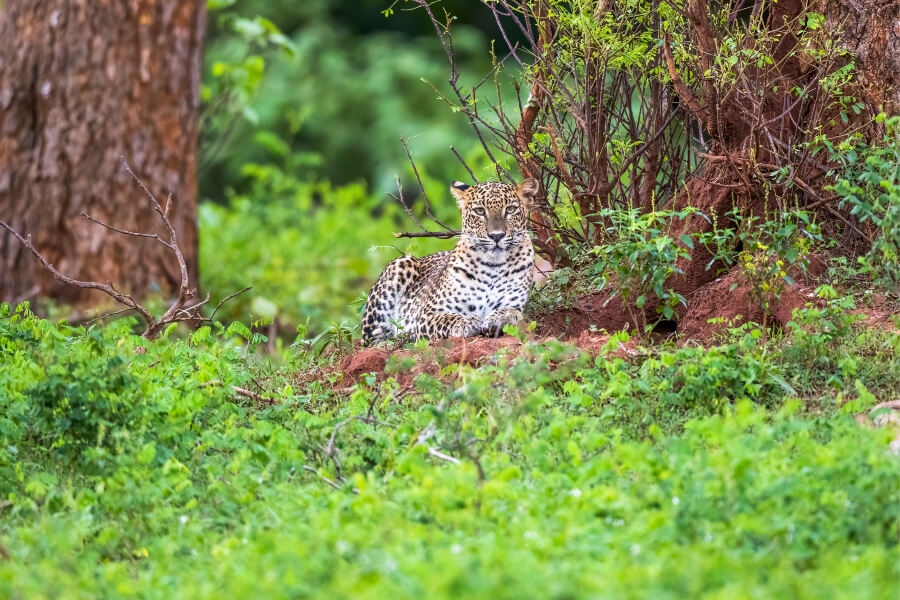
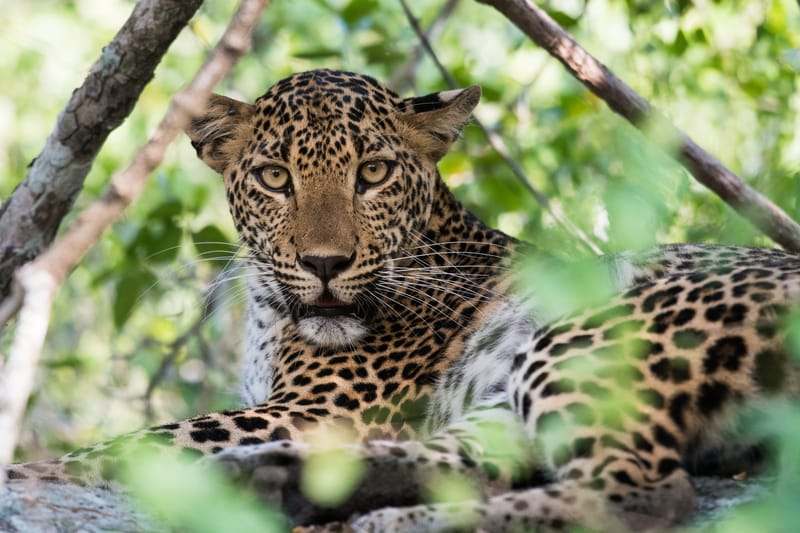
Today, Yala plays an important role in protecting Sri Lanka’s dry-zone biodiversity. It is especially significant for the Sri Lankan leopard, an endemic subspecies found only on the island and one of the region’s predators. The species is classified as vulnerable on the IUCN Red List, highlighting the importance of protected areas like Yala in supporting its long-term survival. Other species found here include the Sri Lankan sloth bear and Sri Lankan junglefowl, both native to the island.
As part of the wider Yala National Park Sri Lanka experience, the landscape itself is just as important as the wildlife. On Yala National Park safari routes, the terrain shifts from open plains to dense scrub and water-rich zones, with animal activity changing depending on season and rainfall. So, is Yala National Park worth visiting compared to other parks in Sri Lanka? This shifting pattern is a defining feature and part of what makes Yala one of the most consistently rewarding wildlife destinations in Sri Lanka.
The visitor experience
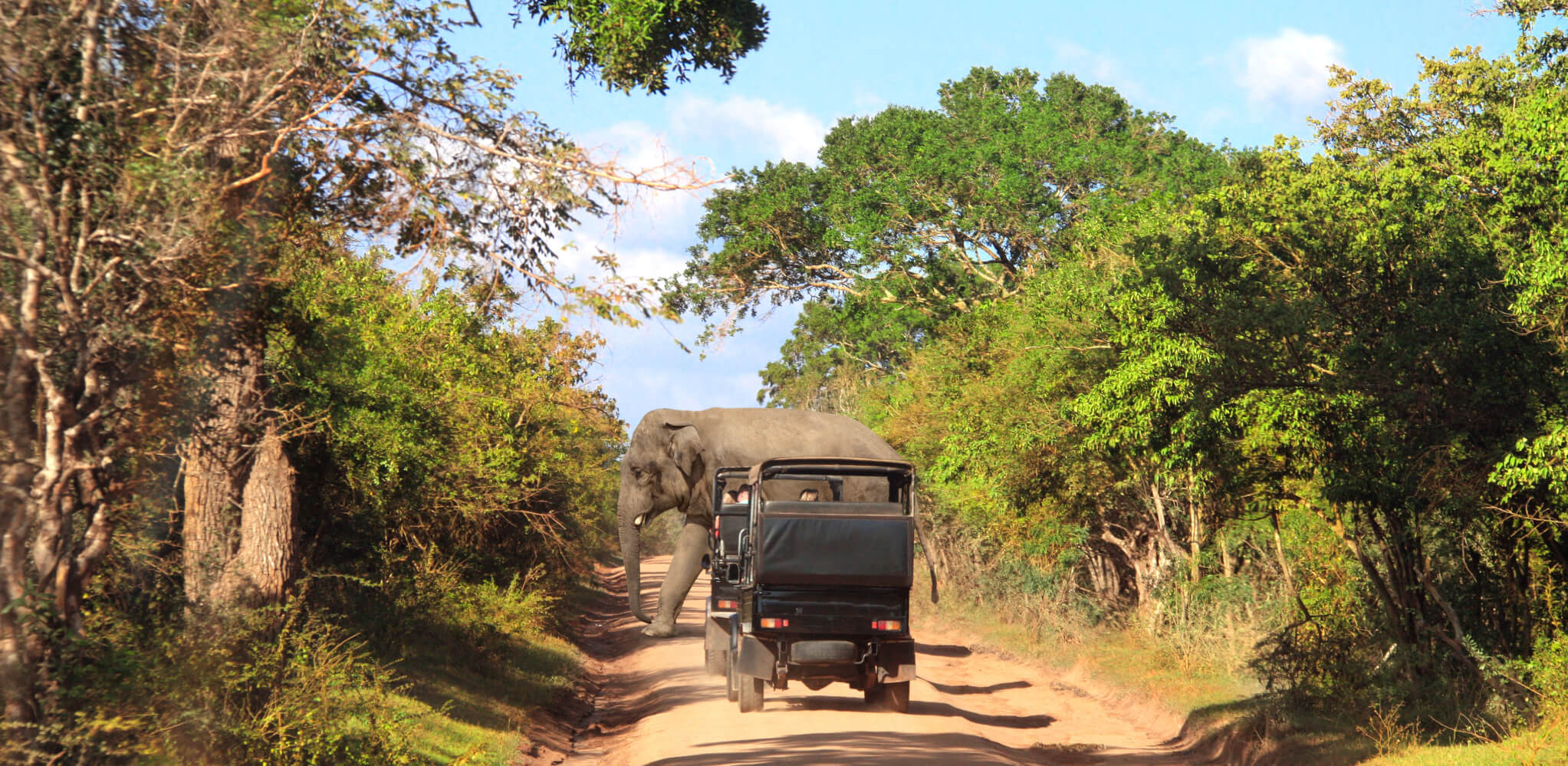
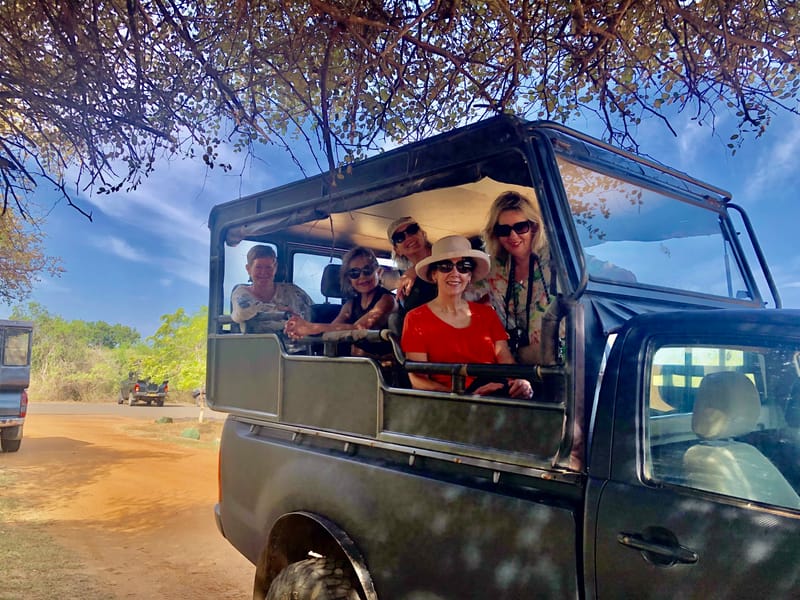
A visit to Yala National Park usually begins in the early morning, just as the park opens. The air is cooler, the light is soft, and the landscape still holds the quiet of the night. Setting out on a Yala National Park safari, the first stretch can feel still; long tracks winding through scrubland and open plains with little immediate movement.
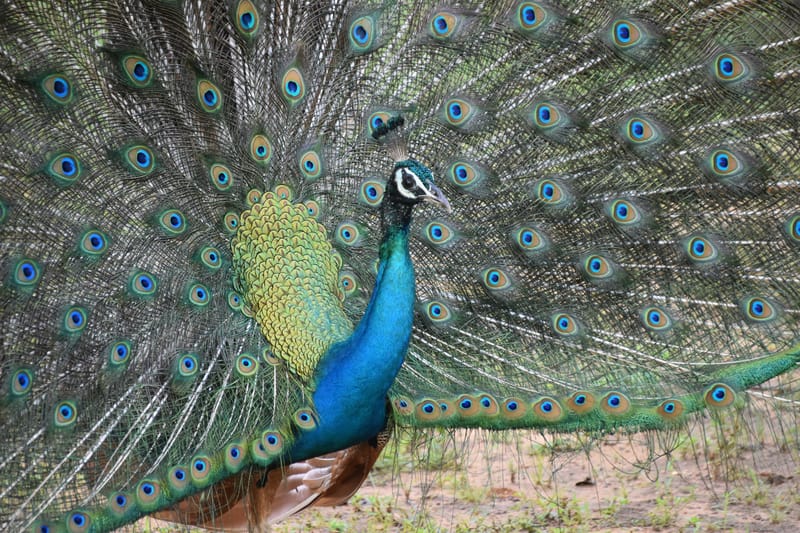
Gradually, the park begins to reveal itself. A peacock calls from the trees, deer move cautiously through the grass, and elephants appear near waterholes as the day warms. Guides track subtle signs: fresh footprints, movement in the brush, helping to bring the landscape into focus.
As the drive continues, the variety of terrain becomes more apparent. Dry forest gives way to open clearings, then to lagoons edged with birdlife. This shifting environment is a big part of what defines a wildlife safari in Sri Lanka, where each section of the park offers something different.
So which animals are found in Yala National Park? Keep your eyes peeled for elephants, peacocks, deer, crocodiles, water buffalo, leopards and sloth bears, alongside more than 215 bird species. Wildlife sightings vary with timing and conditions, of course. The best time to visit Yala National Park is early morning or late afternoon, when temperatures are cooler and wildlife is most active around water sources. While larger species like elephants are often seen, more elusive wildlife, including the Sri Lankan leopard and sloth bear, require patience and a degree of luck.
What most visitors miss at Yala National Park
While many visits to the park focus on spotting large mammals, the park’s quieter details often go unnoticed.
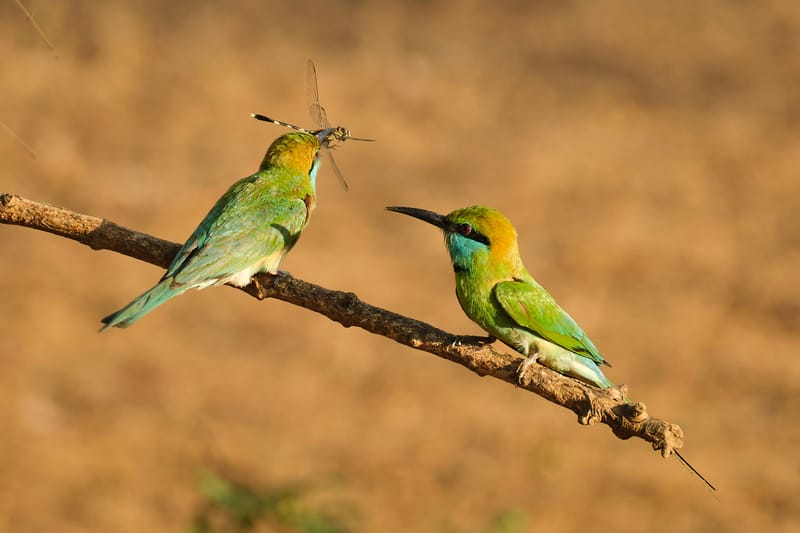
One of the most overlooked aspects is the sheer variety of smaller wildlife. Monitor lizards bask near the water’s edge, colourful butterflies move through sunlit clearings, and bird species fill the landscape with their constant movement. These moments are easy to miss when attention is fixed on larger sightings, yet they are a key part of the ecosystem.
On a Yala National Park safari, conditions can also change quickly within short distances. A seemingly empty track may become active within minutes, particularly near water sources where wildlife naturally cycle in and out throughout the day.
The landscape itself also reveals subtle changes that are easy to pass by. Variations in vegetation often signal shifts in terrain, from drier scrubland to wetter zones closer to lagoons and waterholes. Understanding these transitions adds depth to the experience and helps explain the movement patterns across the park.
Seasonality plays a stronger role than many expect. After rainfall, the park spreads life across a wider area, making sightings more dispersed. During drier periods, wildlife activity becomes more concentrated, especially around remaining water sources.
Practical info
Access to Yala National Park is managed through designated entry gates, with Palatupana and Katagamuwa being the most commonly used for visitors exploring the main wildlife areas. The park is located in Sri Lanka’s south-east, roughly a 5–6 hours’ drive from Colombo, depending on traffic and route.
The park is open daily from 6 am to 6 pm, with safaris typically operating in early morning and late afternoon when wildlife is most active. These hours are set by the Department of Wildlife Conservation Sri Lanka, which manages entry and conservation across the country’s national parks.
Entry to Yala requires a park ticket issued at the gate, alongside a separate safari vehicle arrangement. Fees vary depending on visitor category and season, and are subject to change, so it’s best to check official updates before travel. There is no accommodation inside the park, so most travellers (including those on Sri Lanka tours that include Yala National Park) stay in nearby towns such as Tissamaharama or Kataragama, which offer convenient access to park entrances for early morning departures.
Basic preparation will make a noticeable difference to your experience. Lightweight clothing, sun protection, binoculars and water are all recommended, as conditions can become hot and exposed during the day.
Insider tip
If you’re hoping to photograph leopards in Yala National Park, avoid relying only on shots taken at eye level from inside the jeep. Leopards are often seen partially obscured, moving along rocky outcrops, slipping through dry river channels, or resting along embankments and scrub edges rather than standing fully in the open.
Look for natural framing within the landscape: branches, tall grass, and layered vegetation can help place the leopard within its environment. Light conditions make a significant difference, too. Early morning and late afternoon soften contrast and bring out detail in both the leopard’s coat and the surrounding terrain, particularly when animals move between shade and open ground.
Most importantly, allow time. Leopards often pause, observe, or change direction after a vehicle arrives. A short wait can be the difference between a brief glimpse and a more composed photograph.
Explore with us
With Yala National Park home to more than 40 species of mammals and over 200 species of birds, it’s one of the most rewarding places in Sri Lanka for wildlife viewing.
For a seamless way to experience it all, including ancient cities, tea country and safari, our Ultimate Sri Lanka and Sri Lanka Uncovered tours include visits to Nuwara Eliya and Minneriya National Park in addition to Yala. If you have more time to explore, you can also extend your journey with a relaxing stay in the Maldives or a colourful visit to India as part of your Sri Lanka trip.