
 New Zealand
 United States
 Canada

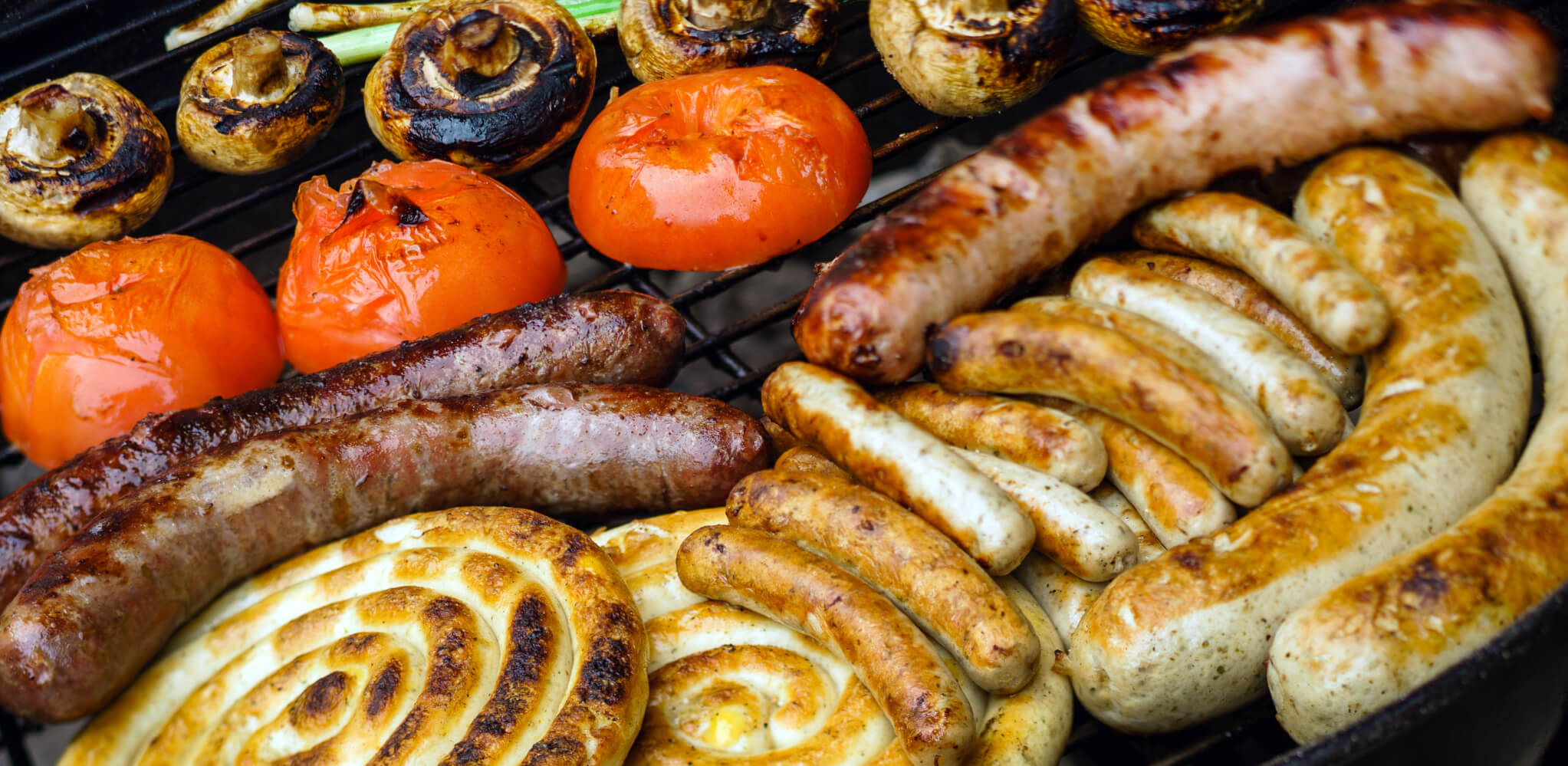
South Africa’s food culture is a vibrant blend of African, European and Asian influences, shaped by centuries of tradition and migration. From braais and traditional South African foods to regional wines, street food and sweet treats, every meal offers a deeper connection to the country’s culture, flavours and way of life.
South African cuisine reflects its people perfectly—it’s an exciting mix of cultures, flavours and food traditions from right around the globe. Visitors seeking authentic South African food will find a rich variety of flavours and dishes to try. For centuries, people have been arriving here from across Africa and the globe, bringing their own recipes and traditions.
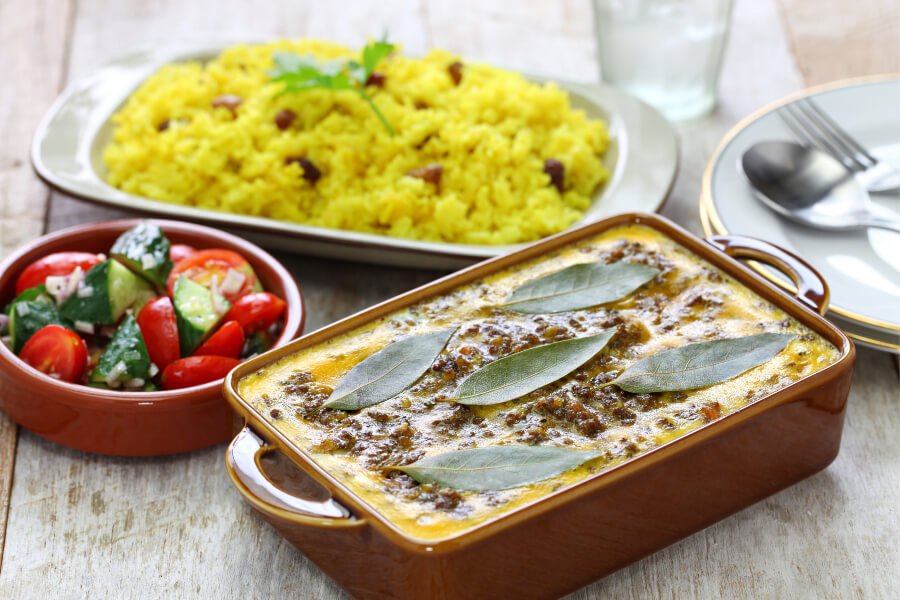
From Africa, there are tender meats (beef, chicken and lamb), and fresh veggies (corn, spinach and beans), from the rich soil. These ingredients are often prepared using time-honoured techniques such as slow-cooking over open flames or simmering in hearty stews, creating deeply comforting and flavourful dishes. This style of cooking is a defining feature of traditional South African foods, where simplicity and depth of flavour go hand in hand. Then there’s a touch of aromatic Asian spices thanks to the Malay influence, particularly in Cape Town. And from India, there’s chilli and spice in famous Durban curries.
Many European groups have made their mark here, too. The Dutch legacy lives on in cinnamon-infused delights, morning rusks and sweet and savoury pancakes; the British gave South Africa afternoon tea followed by G&Ts, and the Portuguese speakers from Mozambique helped popularise peri-peri dishes, making traditional South African foods even more exciting.
As for the French? They brought their winemaking know-how to the southern tip of Africa. Today, sampling local wines is an essential part of experiencing South Africa’s food.
While much of South Africa’s fare has traditionally been associated with meat consumption, there’s a growing range of vegetarian and vegan options. From vegetable curries to maize-based dishes and fresh seasonal produce, plant-based travellers will find plenty to enjoy. This diversity makes South African cuisine especially appealing for travellers with different dietary preferences.
Get ready for your first braai
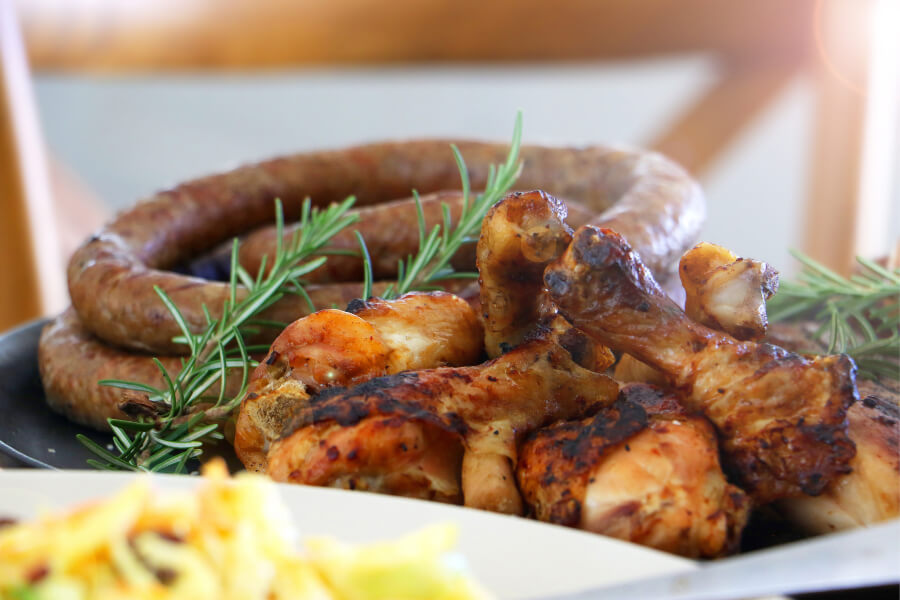
If there is one aspect of South African food culture that every visitor will encounter, it’s the braai. This is Afrikaans for ‘barbecue’ and it is a firm favourite across all cultural groups. In fact, braai in South Africa is so important that the nation comes together each year on 24 September to celebrate National Braai Day.
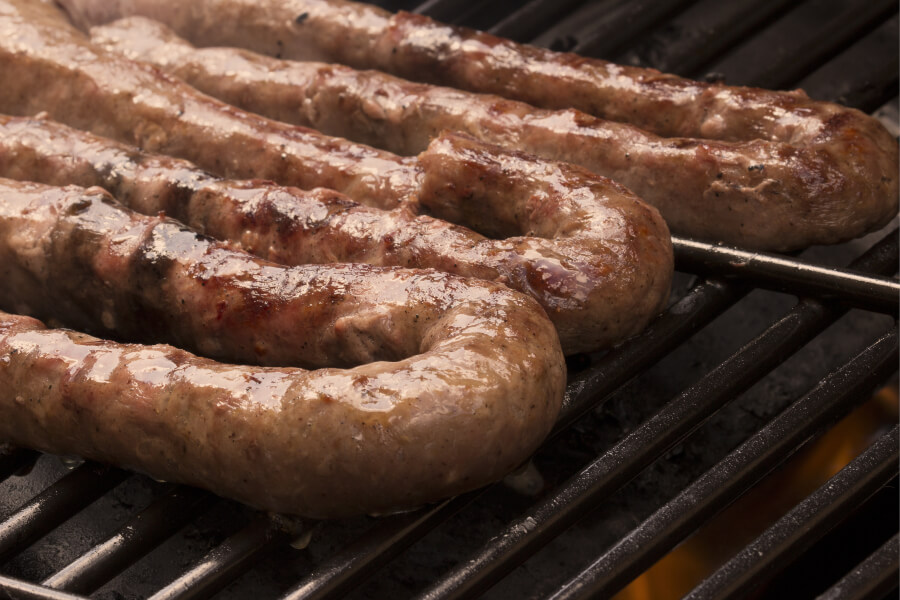
South Africans will braai just about anything—meats, vegetables, seafood. However, a braai essential is boerewors, a spicy coiled ‘farmer’s sausage’ made from beef, pork, coriander and a blend of spices. Boerewors is one of the most famous traditional South African foods, and is often paired with mielie pap. Made from maize meal, this starchy carbohydrate is similar to polenta and is frequently served with tomato and onion gravy.
More than just a way of cooking, a braai is a social occasion where friends and family gather, often outdoors, to share food, conversation and good company. It’s a relaxed, welcoming experience that visitors are often invited to join. For many travellers, being part of a braai in South Africa is a highlight and offers a genuine connection to local life.
Discover South African wines and beers
As the coals of a braai reach their perfect heat, there’s usually time for sundowners—the first drink of the evening—served as the sun dips toward the horizon. Sampling local wines and beers is part of the ultimate South Africa food experience.
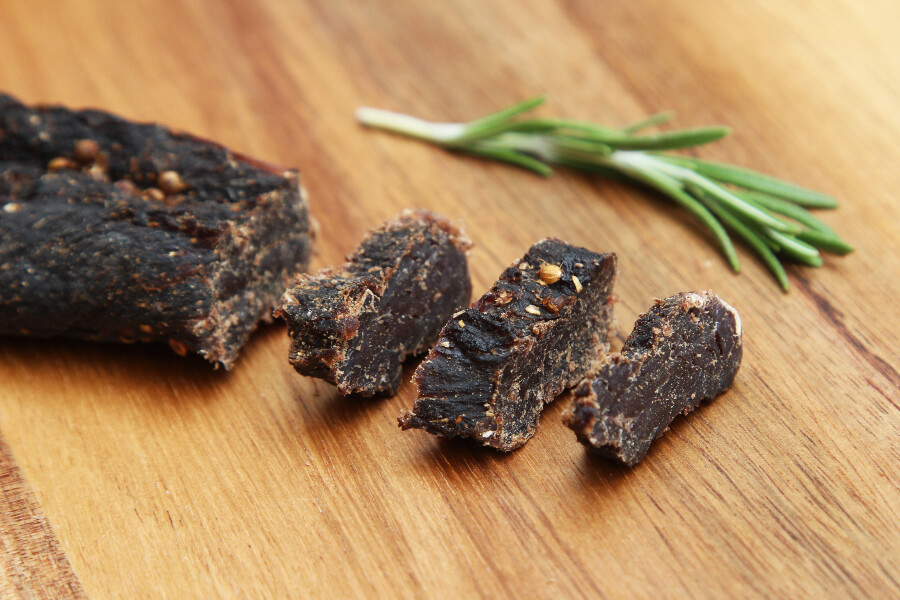
Sample wines from the Western Cape (Chenin blanc and Pinotage are favourite varietals) or a local brew such as Castle Lager or a craft beer. And what pairs perfectly with a sundowner? Biltong, one of the most iconic traditional South African foods made from beef or antelope such as impala or kudu. It is salted, rubbed with spices and dried. This simple yet flavour-packed snack is a staple of food in South Africa and is commonly enjoyed on the go or as a pre-dinner bite.

Breakfast and lunch
Breakfast in South Africa is often simple but satisfying—rusks dipped in coffee, fresh fruit or a hearty cooked breakfast, particularly on safari where early starts are the norm. South Africans typically rise early and visitors on safari are likely to get up before dawn, too. Similar to biscotti, these morning snacks are enjoyed dunked in coffee. Other popular breakfasts are porridge, fresh fruits or a traditional bacon and egg fry-up. On safari, early morning game drives are often followed by a hearty breakfast, making these simple yet satisfying options all the more enjoyable, a true start to a South Africa food adventure.
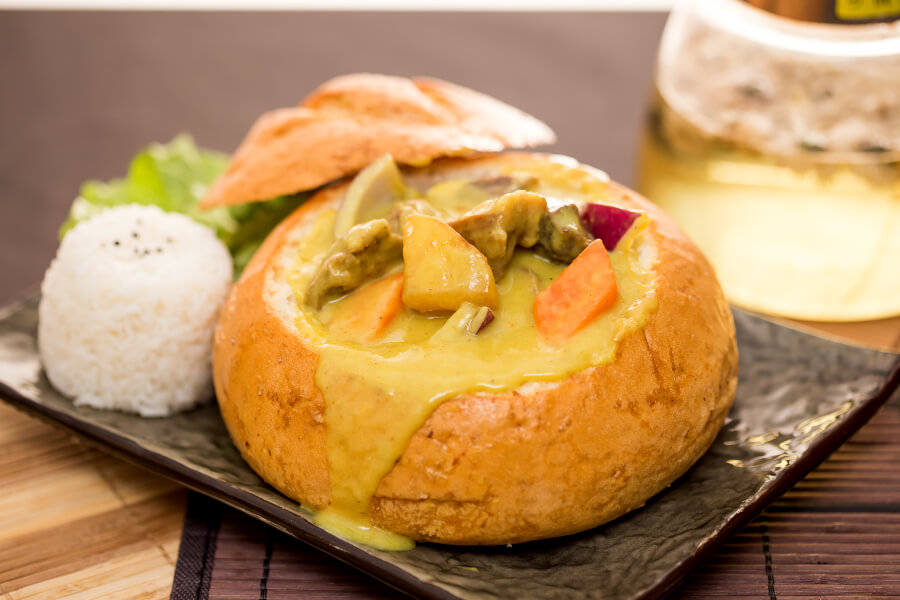
Lunch could be anything from leafy green salads with a side of peri-peri chicken, savoury pancakes, quiche, soup or maybe, bunny chow. Not what it sounds like, this dish is, in fact, a quarter or half loaf of bread with the middle removed and filled with a spicy veggie or meat curry. The bunny chow was invented by Indian workers who created it as a way to take their lunch with them to the sugarcane fields of KwaZulu-Natal.
Today, bunny chow is a beloved street food across the country, offering a hearty and flavour-packed meal for travellers seeking authentic South Africa food experiences. It’s one of the most recognisable dishes and a great introduction to the country’s Indian-influenced flavours.
Sweet South African treats
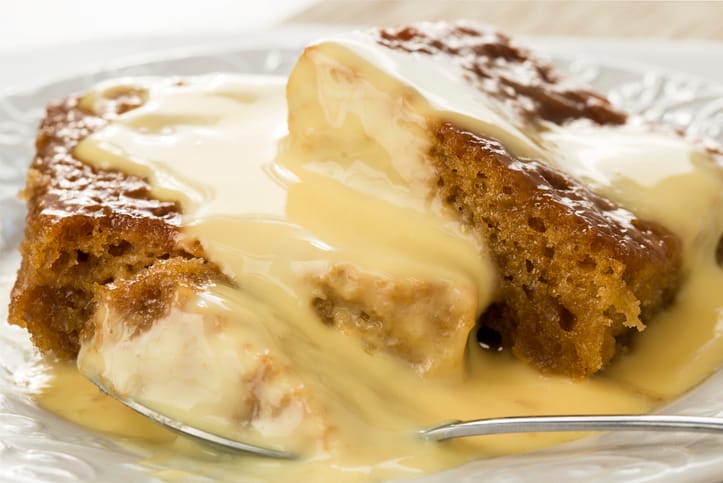
And there’s no shortage of indulgent sweets in South Africa! Two favourites are malva pudding, a spongy dessert made with apricot jam and served with custard or ice cream, or melktart (milk tart), unsurprisingly made with milk, pastry and cinnamon. These classic desserts are a must-try for anyone on a culinary journey, offering a sweet insight into the country’s food traditions.
These desserts are often served warm and are a comforting way to end a meal, particularly during cooler evenings. End the evening off with a glass of sweet stoepwyn (veranda wine) or Amarula over ice. This liqueur is similar in style to Bailey’s but is made from the fruit of the Amarula tree, a favourite with elephants. According to local folklore, elephants are said to become ‘tipsy’ after eating the fruit—though this has been widely debunked. Whether you’re dining at a local restaurant, enjoying a braai with new friends or sampling street food, this beautiful country’s diverse cuisine offers something memorable at every turn, making it perfect for travellers seeking authentic South African food experiences. It’s a journey of flavour that reflects the country’s cultural heritage and warm hospitality.
Frequently Asked Questions
South Africa-bound? Here are answers to some of the most common questions travellers have before exploring South Africa’s food and local dining experiences.
1. What should I eat first in South Africa?
Start your day with traditional breakfast items like rusks, porridge, or a bacon and egg fry-up. For a true local experience, try a bunny chow or sample fresh fruits from a local market.
2. What is braai and why is it important in South Africa?
A braai is a barbecue and a cornerstone of South African food culture. Families and friends gather to grill meats, vegetables, and seafood over coals. A braai isn’t just about food—it’s about community and celebration, especially on National Braai Day on 24 September.
3. What are traditional South African foods I should try?
Don’t miss boerewors (spiced farmer’s sausage), mielie pap (maize meal porridge), bunny chow, biltong, and desserts like malva pudding or melktart. These are some of the most popular South African dishes and showcase the diversity of local flavours.
4. Which South African drinks should I sample?
Sip South African wines from the Western Cape, such as Chenin blanc and Pinotage, or enjoy a refreshing local beer like Castle Lager. For something sweeter, try Amarula over ice or a glass of stoepwyn (veranda wine).
5. When is the best time to visit South Africa for food experiences?
South Africa is fantastic year-round; there is no ‘best time’ to visit, but the summer months (November to February) offer long, light evenings perfect for braais and sundowners. Spring and autumn/fall are also excellent for fresh seasonal produce and local markets.
6. Are South African foods spicy?
Some dishes, especially in Durban, feature Indian-inspired chilli and spice, like in bunny chow or curry. However, many traditional dishes, like boerewors with pap, are mild and flavourful rather than hot.
7. Is South African food suitable for vegetarians?
Yes, many South African dishes can be adapted for vegetarian diets, and plant-based options are increasingly available in cities and tourist areas.
Ready to try South Africa cuisine in the motherland? Our popular Ultimate African Safari tour (extending to Cape Town), includes some traditional meals and sundowners on safari, while our Highlights Of South Africa Premium Small Group Tour and Grand Africa Small Group Tour feature a visit to the renowned Franschhoek wine region.