
 New Zealand
 United States
 Canada

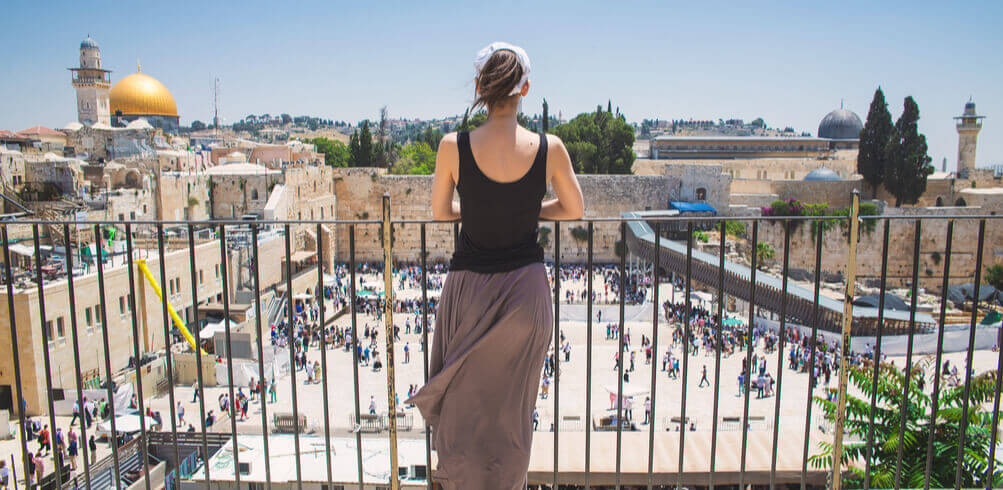
Planning your first trip to Israel? From understanding local customs and religious holidays to navigating transport, currency and climate, a little preparation makes all the difference. Israel blends ancient history with modern Mediterranean energy, and knowing what to expect will help you travel comfortably and confidently. Yalla, let’s go!
When to go
Israel is a year-round destination, but timing can significantly shape your experience, especially for travellers who prefer milder temperatures and fewer crowds.
July and August are considered peak travel months, along with the Jewish festival of Passover. In 2026, Passover will be 2-8 April, (the first and last days are public holidays).
Major Jewish holidays such as Rosh Hashanah (the Jewish New Year, 11-13 September in 2026) can also see increased domestic travel and higher accommodation demand.
The southern region of Israel, including Masada, lies in the desert and is hot and arid year-round. November to February is a comfortable time to visit, with temperatures generally in the low 20s°C (around 70–75°F). The mid-section of Israel has a Mediterranean climate, with hot, dry summers and mild, wet winters.
Many of our tours include a visit to the Dead Sea on the Jordan side, giving you the chance to float in its famous salt waters. The central region of Israel, where you’ll explore Jerusalem’s Mount of Olives, Western Wall, Old City and the Via Dolorosa, has a Mediterranean climate with hot, dry summers and mild, wet winters, making spring and autumn ideal for sightseeing.
Spring (April–May) and autumn/fall (September–October) are widely considered the best times to visit, offering warm days, cooler evenings and ideal sightseeing conditions. For more weather advice, read our When Is The Best Time To Visit Israel article.
It’s useful to remember that the weekend in Israel is Friday and Saturday. Many businesses close from Friday afternoon until Saturday evening, and public transport services are reduced during this time (with some exceptions in major cities).
What to pack
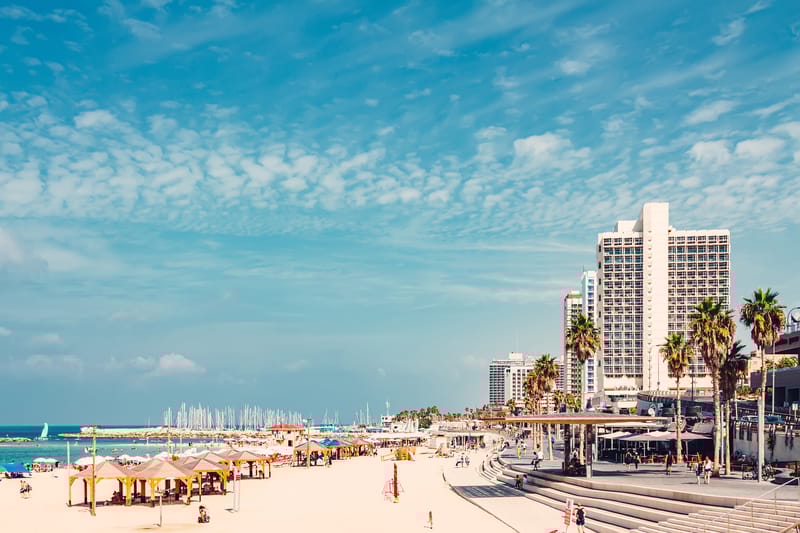
Day-to-day dress in Israel is generally relaxed, particularly in Tel Aviv and coastal areas. Shorts and thongs/flip flops are the norms in the hotter months, so pack accordingly. However, when visiting religious or sacred sites, particularly in Jerusalem’s Old City, modest clothing is essential. Shoulders and knees should be covered, and women may wish to carry a light scarf for certain holy sites.
Aussie footwear brand, Blundstone, is exceedingly popular with Israelis, for work and play. Bring a pair, you’ll fit right in. Leather sandals might be more comfortable in the sweltering climate. A light waterproof jacket will come in handy in winter months when the heavens can open quite dramatically.
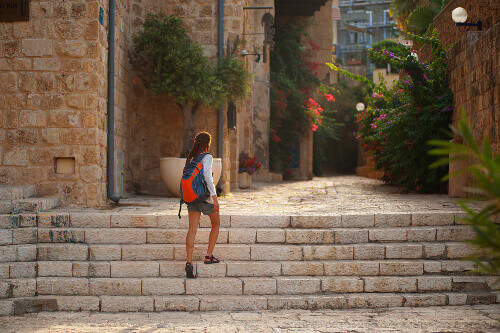
Other must-haves: Mosquito spray and sunscreen, swimwear, comfy daypack and walking shoes. Comfortable walking shoes are particularly important, as many historic areas feature cobblestones and uneven terrain.
Internet connectivity
Staying connected is generally easy in Israel, with free Wi-Fi widely available in hotels, cafés and transport hubs in major cities such as Tel Aviv and Jerusalem. For longer stays, purchasing a local SIM card at the airport is affordable and offers reliable coverage throughout the country.
Currency in Israel
The Israeli Shekel (NIS) is the official currency. Before your trip, check what your bank charges for cash withdrawals and credit card commissions, particularly if travelling from Australia, the US, Canada or India, where international transaction fees can vary.
ATMs/cash points (kaspomat in Hebrew) are easy to find, though not all accept foreign cards. Credit card payments tend to be accepted everywhere in Israel, even for small transactions.
US dollars and Euros are the most welcome foreign currencies, but in restaurants or shops, you will likely get your change in shekels regardless of what currency you’ve paid in. Be cautious of “commission-free” exchange advertisements and compare rates with a reliable online currency converter before exchanging money.
Getting around
Israel’s primary international gateway is Ben Gurion Airport, located near Tel Aviv. Domestic flights operate to the southern resort city of Eilat. Tel Aviv and Eilat both have international airports, 14 km (8.7 miles) and 8 km (5 miles) from the cities, respectively. Israel Railways runs an efficient train network, primarily concentrated along the Mediterranean coastal region between Nahariya, Haifa and Tel Aviv.

Buses are the most commonly used public transport in Israel. Excellent roads link all Israeli towns and you can easily hire cars in the major cities. You won’t find Uber in Israel; Gett Taxi is the go-to app and cheaper than normal taxis (download before leaving). Licensed minibuses, known as sherut, are widely used by locals and visitors alike and offer a safe, convenient way to get around. They depart from taxi ranks once full, with payment (cash preferred) made on board.
Food and drink
Israel’s restaurant scene can seem like the world in miniature, with not only Middle Eastern palate-pleasers (there are Yemeni, Turkish, Iranian, Iraqi and Moroccan eateries galore), but plenty of chance to grab a New York bagel, nosh down on a Hungarian goulash or even nibble Russian blinis. Israeli cuisine reflects the country’s multicultural heritage, blending Middle Eastern, Mediterranean and European influences into vibrant, flavour-packed dishes.
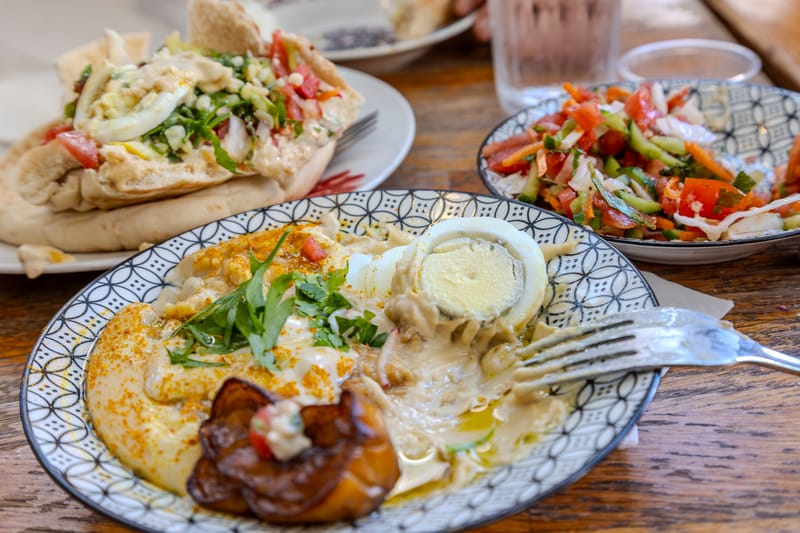
For vegetarians and vegans, Israel truly is the place to be. Tel Aviv is often ranked among the world’s most vegan-friendly cities, with hundreds of vegan and vegan-friendly eateries. Elsewhere too, high-quality fruit and veg is everywhere, with more apricots, figs, dates and olives than you’ll know what to do with.
Israeli breakfasts are famously generous, often featuring fresh salads, cheeses, breads, olives, eggs and spreads, the perfect start before a day of sightseeing. Drinks-wise, you’ll find anise-flavoured Arak liqueur; local beers like pilsner-style Maccabee and Goldstar, a Munich-style dark draught. You’ll also find excellent boutique wineries across the country, producing increasingly acclaimed Mediterranean-style wines. You’ll consume lots of their refreshingly cheap fruit juices and iced coffees if you visit in the hotter months.
Health and safety
You will find Western standards of healthcare in Israel. No vaccinations are required to enter the country, though it’s worth checking your tetanus jab is up to date. Tap water is safe to drink here.
Medical treatment can be expensive, so travel health insurance is de rigueur. Comprehensive travel insurance is strongly recommended for visitors travelling long-haul from Australia, the US, Canada or India. Before travelling, consult official government travel advice such as Australia’s Smartraveller website or your country’s equivalent for the latest safety information.
If you need emergency medical assistance during your travels (and you’re not on an Inspiring Vacations Israel tour with access to a tour leader) dial 101 and ask for an ambulance.
As with many destinations, political demonstrations can occur. If you encounter a gathering or rising tension, remain aware of your surroundings and follow local guidance. The best advice is to remain alert and leave the area if there is evidence of tension or unrest (if the shops in the souks suddenly begin to close their shutters, for example).
Pick-pocketing does occur in touristy areas, so keep an eye on bags and valuables. For LGBTQ+ travellers, Tel Aviv in particular is known for its welcoming, visible LGBTQ+ scene, and many visitors find the city comfortable and easy to navigate.
A final thought
For many travellers, particularly those embarking on a long-awaited journey later in life, Israel offers a deeply meaningful and rewarding experience. The distances are short, the historical significance profound, and the cultural encounters unforgettable.
Travelling with experienced guides allows you to explore thoughtfully and safely, while gaining expert context at every significant site.
Considering your first visit to Israel? Our Tailormade team can help design a seamless, enriching Israel journey tailored to your interests and travel style, or join one of our Israel group tours. If you’re short on time, our Jordan & Israel Uncovered Premium Small Group takes in Jordan’s icons including Petra and Wadi Rum, as well as Israel’s must-sees. If you have a couple of weeks to explore, our Essential Egypt, Jordan & Israel Small Group Tour is a great option to soak up the region.
Frequently Asked Questions
Is Israel safe for first-time visitors?
Israel has modern infrastructure and high standards of healthcare. Visitors should monitor official government travel advice and remain aware of their surroundings, particularly during public events.
Do I need a visa to visit Israel?
Visa requirements vary by nationality. Many Australian, US and Canadian passport holders can enter visa-free for short stays, but travellers should confirm current requirements before departure. Take a look at our Visa and Passport Requirements page for more information.
What currency is used in Israel?
Israel uses the New Israeli Shekel (NIS). Credit cards are widely accepted, and ATMs are readily available in cities. For smaller businesses and markets, have cash handy.