
 New Zealand
 United States
 Canada

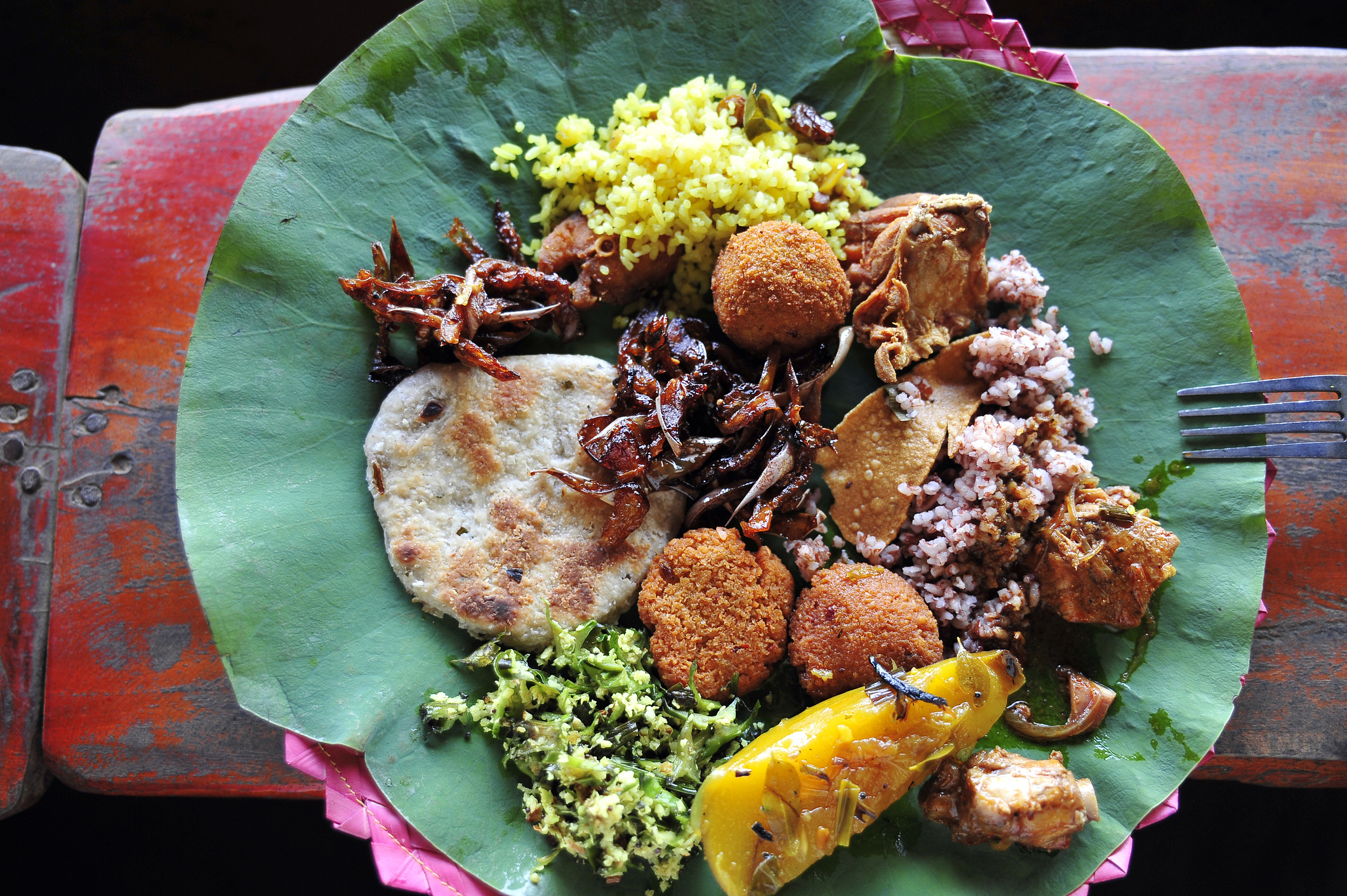
My first moment of excitement when waking up on tour in Colombo, Sri Lanka wasn’t the beaches or the temples. It was heading down to the hotel breakfast and seeing the most magnificent spread of food before me. While Western breakfast staples were in abundance, I couldn’t resist the spices drifting through the air, sizzling pans, and the unmistakable aroma of curry leaves hitting hot oil—a signature of Sri Lankan food. Curry leaves, which are native to South Asia, are a cornerstone of Sri Lankan cooking, prized not just for their flavour but for their role in traditional Ayurvedic practices, where they’re believed to support digestion, balance blood sugar, and promote gut health. Within hours of arriving on our Ultimate Sri Lanka tour, I realised that discovering Sri Lankan cuisine was going to be just as memorable as the landscapes and wildlife encounters.
Learning to cook traditional Sri Lankan curries
One of the things I quickly learned about Sri Lankan food is that curry isn’t just one dish. It’s an entire spread. Most meals include several different curries served together, each with its own spice blend and flavour profile. This way of eating is deeply rooted in tradition, where rice and curry meals are designed to bring balance to the plate, combining different flavours, textures, and levels of spice in a single sitting. Some were rich and coconut-heavy, others tangy with tamarind, and some surprisingly hot.
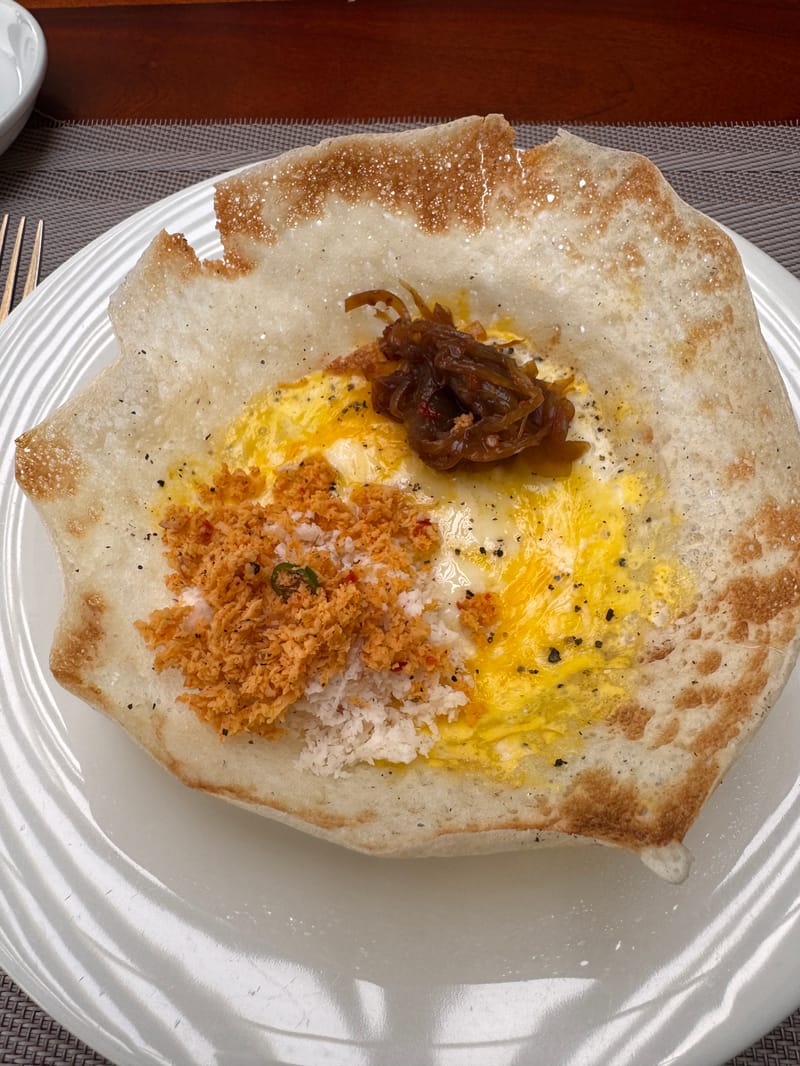
Then there were the Sri Lankan staples called hoppers. If you’ve never tried one before, imagine a bowl-shaped pancake made from fermented rice flour and coconut milk. This fermentation process gives hoppers their slightly tangy flavour and reflects traditional cooking methods that have been used across Sri Lanka for generations. The edges are crisp and delicate, while the centre stays soft. At breakfast time, they’re often served with an egg cracked right into the middle while cooking. It’s no wonder Sri Lankans eat them at any time of day.
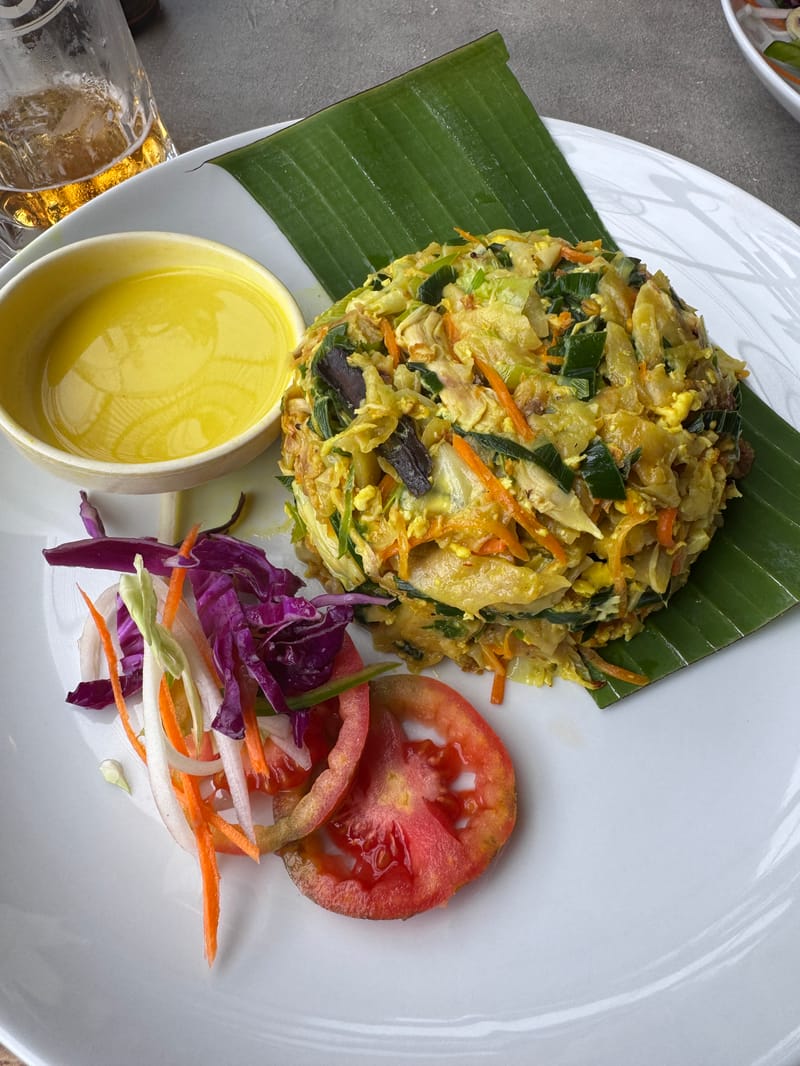
Another Sri Lankan food speciality I loved was kottu. This beloved street food is made by chopping roti with vegetables, eggs, or meat on a hot grill. The rhythmic clanging of metal spatulas while it’s cooked is almost as iconic as the dish itself. Believed to have originated in the eastern part of the island, Kottu is a relatively modern addition to Sri Lankan cuisine, and has today become a symbol of casual, late-night street food culture. It’s true comfort food: delicious, filling, and affordable.
Fresh seafood on Negombo beaches
One of my favourite experiences on this tour of Sri Lanka was a cookery demonstration where we learned how to make several different curries from scratch. The process was fascinating. Everything starts with freshly ground spices and aromatics: curry leaves, mustard seeds, garlic, ginger, and chilli. Sri Lankan curry powders are often roasted before grinding, which gives them a deeper, more complex flavour compared to other South Asian spice blends. We even took a turn at making our own coconut milk, shaving the coconut flesh and squeezing the milk from it by hand. Coconut has been king in Sri Lankan cooking for centuries, earning the country the nickname ‘land of coconuts’; nearly every part of the palm is used in cooking. It was surprisingly quick to create a full complement of curries and chutneys (and incredibly fun!).
By the time we reached our final stop of the tour in Negombo, I was sure I couldn’t possibly eat another thing. But I hadn’t counted on one last unforgettable meal. This coastal town offered the perfect opportunity to try freshly caught seafood. Negombo has a long history as a fishing hub, shaped by both local traditions and colonial influences, particularly from the Portuguese who once settled here. We happened upon a small restaurant right on the edge of the beach, where the fisherman’s wife told us her husband had just returned with the day’s catch. Prawns were on the menu—yum!
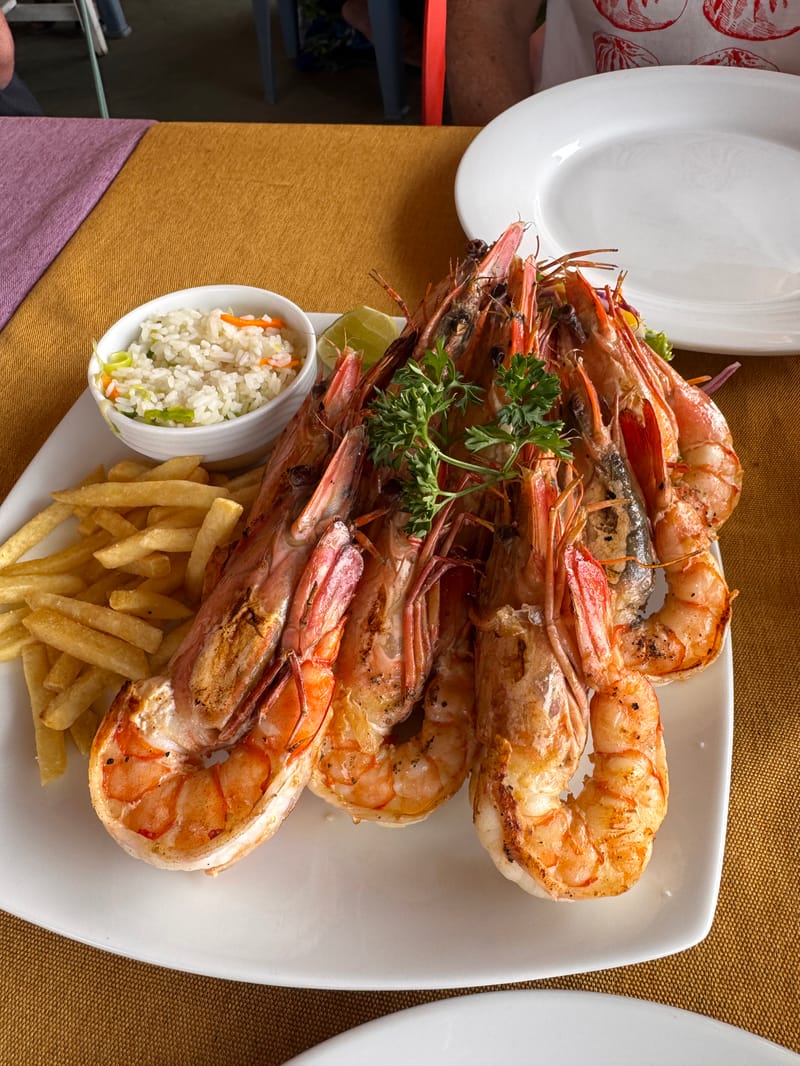
They were huge, incredibly fresh, and beautifully prepared. Simple, but perfectly cooked. Sitting with a cold Lion beer and a view of fishing boats sailing past, I ate what must genuinely be the best prawns I’ve ever tasted. It felt like the perfect final meal for our Sri Lanka tour as we chatted about the experiences we’d shared along the way.
Why Sri Lankan food stays with you
Looking back, food ended up being one of the things that made this Sri Lanka travel experience so memorable. Every meal became a moment for the group to connect and an opportunity to try something new. In Sri Lanka, food is deeply tied to hospitality and community, with meals traditionally shared and served generously to guests—at the heart of what it means to eat like a local in Sri Lanka. Being part of this Sri Lanka tour meant we didn’t just see the country’s famous landmarks, we tasted it too.
Inspired to experience Sri Lanka (and enjoy its delicious cuisine) like Kate? Our two week Ultimate Sri Lanka tour includes High Tea at the Grand Hotel. Have more time to explore? Add a magical 3-night stay in the Maldives to your Sri Lanka holiday. View our full range of Sri Lanka tours here.