
 New Zealand
 United States
 Canada

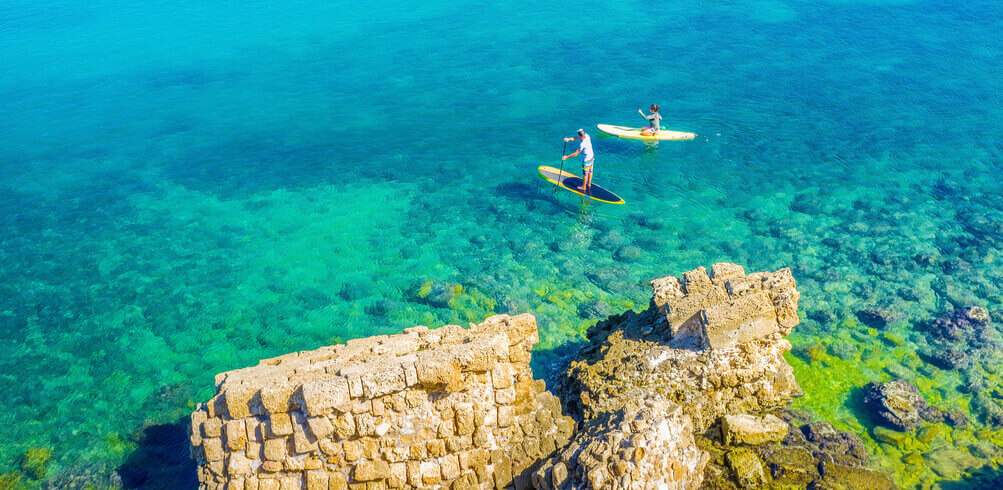
The jewels in Israel’s crown are yours for the viewing
Beguiling deserts, astonishing beaches, archaeological sites and all that history combine to give the most meaningful of travel experiences in a country roughly one-tenth the size of Victoria. From the mineral-rich waters of the Dead Sea to the ancient fortress of Masada and the red sands of the Negev Desert, an Israel tour packs a remarkable amount into a small footprint. This Israel bucket list highlights some of the most memorable things to do in Israel, from floating in the Dead Sea to exploring the Negev Desert and relaxing on the beaches of Eilat.
Floating in the Dead Sea and visiting Masada
Four hundred and 30 metres below sea level and dropping, the turquoise-coloured Dead Sea slopes at the lowest place on earth, set against the Judaean Desert’s sandstone cliffs. The inland sea also gives travellers the chance to enjoy an extra-buoyant float on restorative mineral waters, while the region’s lower elevation creates higher atmospheric pressure, which many visitors find makes the air feel dense and easier to breathe.

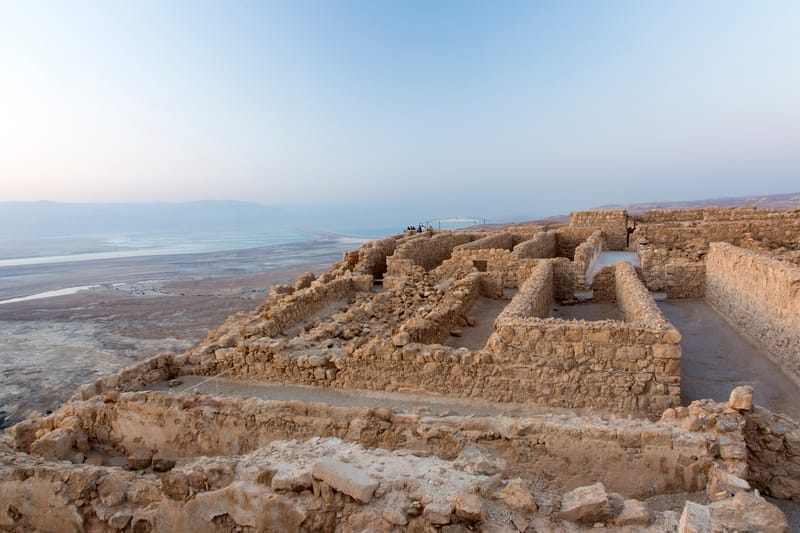
Ein Bokek, a huge and well-kempt public beach at the sea’s south, is a good jumping-off point. Lifeguards patrol it, and there are shelters, changing booths and open-air showers. The best-appointed views of the sea? From Masada, a UNESCO World Heritage Site fortress atop sheer cliffs overlooking the northern basin of the Dead Sea.
Accessible by path or cable car, Masada once served as the final stronghold for around 960 Jewish rebels, the Sicarii, following the fall of Jerusalem to the Romans. According to the ancient historian Josephus, the defenders chose death over capture, a dramatic account that remains one of the most debated episodes in ancient history. Journey up to admire the view and take in this storied past.
Top off your visit to the area with a rustic overnight stay at the local kibbutz. Many kibbutzim now welcome visitors, offering accommodation and insight into this unique communal way of life. The Ein Gedi Hotel, on the Dead Sea shores, offers an excellent crash course into this style of living and features botanical gardens, home to copious myrrh and frankincense, and a spa where you can hover in a mineral-rich pool while overlooking looming cliffs. Wake up to an organically grown breakfast at the communal dining halls.
Don’t put off a visit to the Dead Sea for too long: water levels have been steadily declining in recent decades due to water diversion and evaporation. For help planning the timing of your visit, see our guide to the best time to visit Israel.
Way back when
Israel puts the past properly in perspective, from the Neolithic to the biblical, via the Roman. Destinations that shine a light on at least two of these periods should be placed in your bucket.
Donning scuba gear is necessary for the exploration of the Roman settlement of Caesarea, located between Tel Aviv and Haifa on the Mediterranean Sea. At this Archaeological Park, divers can swoop past ancient shipwrecks and a submerged but remarkably intact Roman port. The scattered remains of shipwreck cargo and pottery can be glimpsed, along with abundant plant and marine life that exists harmoniously around it.
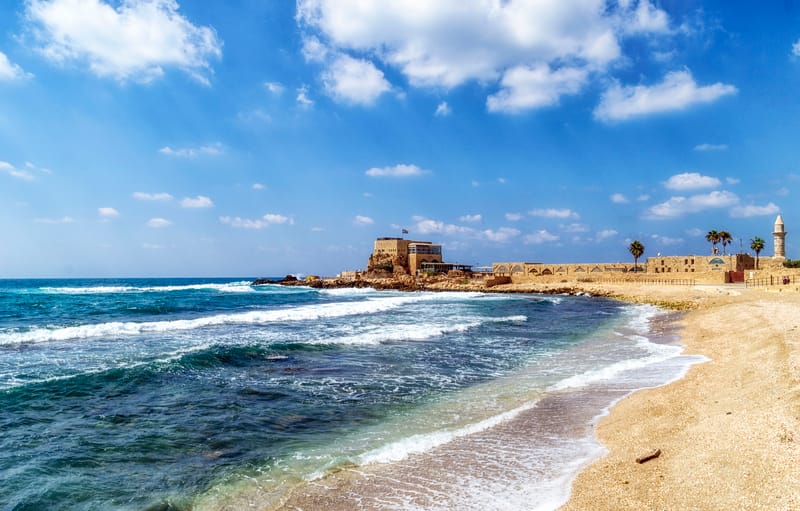
You might discover something even more remarkable: after a storm in 2015, recreational divers stumbled upon a hoard of more than 2,000 gold coins on the ocean floor here. Dating to the medieval Fatimid period (roughly 1,000 years ago), they’re the largest gold treasure ever found in Israel.
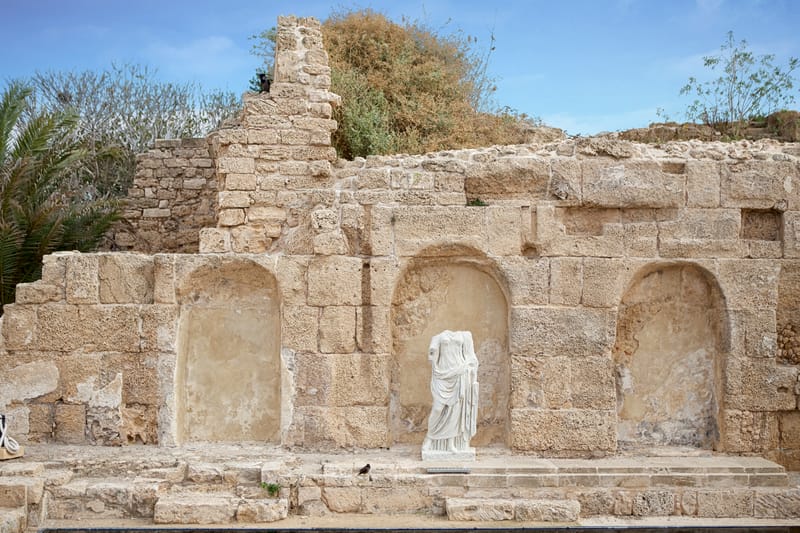
While much of ancient Caesarea has been lost to the sea, non-divers can visit an impressive open-air theatre and see towering Roman ruins.
History up close
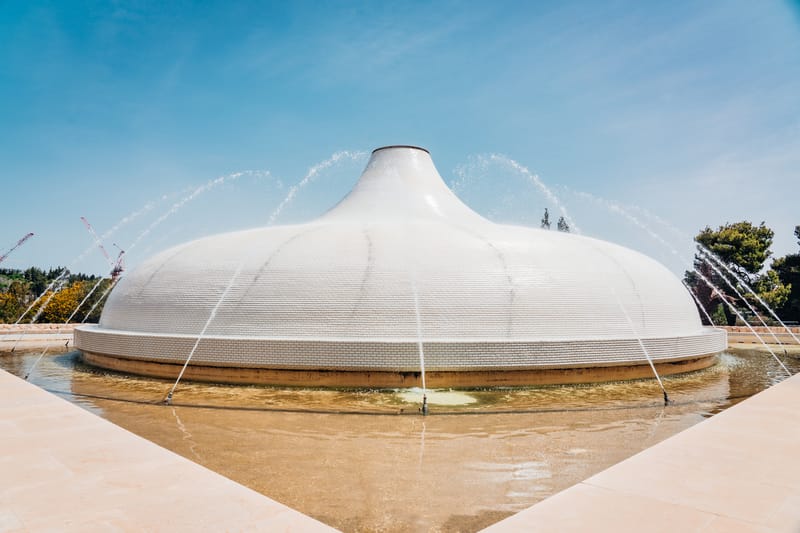
Onto the biblical. After the Dead Sea Scrolls were discovered in West Bank caves just after the Second World War, Israel scrambled to house the ancient parchments. The colossal, bulbous Shrine of the Book museum in Jerusalem encases and rotates some of the artefacts in what has been described as a ‘modern womb’. Visiting this landmark museum is, for many visitors, a unique architectural experience and a special kind of pilgrimage.
One curious footnote: a little-known phenomenon known as “Jerusalem Syndrome” has occasionally affected visitors overwhelmed by the city’s religious and historical significance. Roughly 100 tourists a year are referred to mental health services in Jerusalem, though most cases resolve quickly.
Sleep like a Bedouin
The Negev Desert is a vast sandscape that covers more than half the country, roughly 55% of Israel’s total land area. In summer months, temperatures touch 40°C (104°F) during the day but drop to 10 at night. Travellers to the Negev have the chance to overnight in a traditional Bedouin camp, staying in handwoven tents and sipping both the Bedouin black coffee and cool desert air.
The best place to do this is right in the middle of said desert, at the outpost of Mitzpe Ramon. A stargazing utopia, at the edge of the ginormous Makhtesh Ramon (Ramon Crater), a sea of sparkling stars is almost certain to be visible on your visit. The lucky few may even spot local populations of Nubian ibex, porcupines, gazelles, wild donkeys, hyenas, and hyraxes.
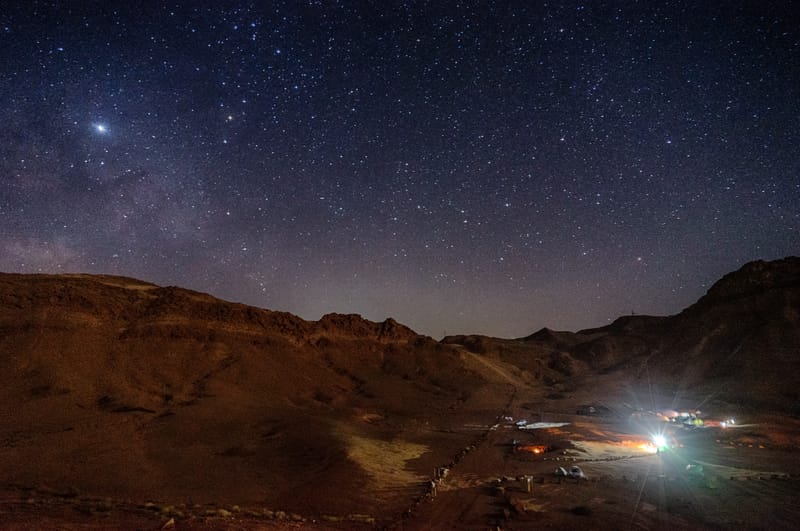
Desert hikes are popular along the crater’s rim, while rappelling can be organised at the Visitors Centre in Mitzpe Ramon, the area’s only town. Round out your sandy adventure with a camel ride or night-time Jeep safari. For more practical tips on getting around, see our travel tips for first-time visitors to Israel.
If you’re here in late spring or autumn, you may wish to make a detour to experience the Midburn Festival, Israel’s answer to Nevada’s famous Burning Man. Held near Sde Boker, the festival attracts several thousand participants who help create a temporary city in the desert, complete with art installations, communal camps, and a bonfire of wooden sculptures on the final night.
Beach out down South
After all this activity, it’ll likely be time to thoroughly relax. Flanking the Mediterranean coast, Israel’s beaches are some of the most beautiful in the world. Whether you’re looking for serenity, or want to run wild, splash and swim, you’ll find a stretch to suit.
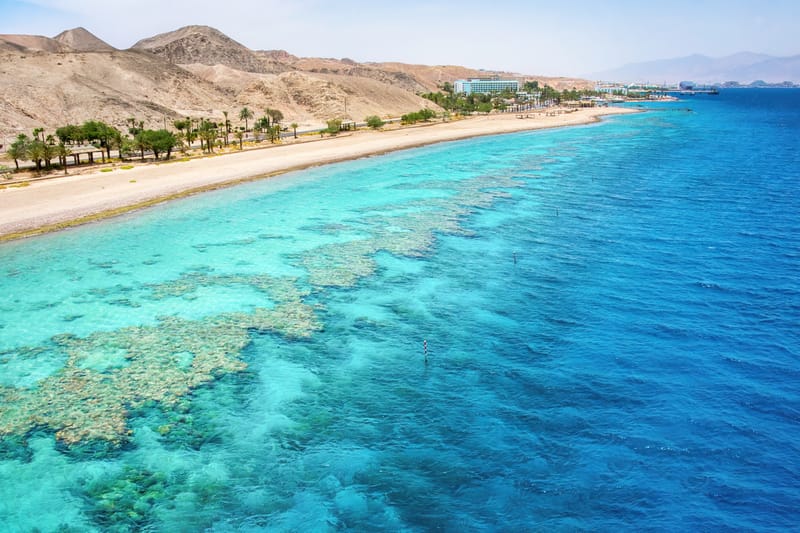
The best beaches for those who worship the heat are at the southern tip of the country, in Eilat. Temperatures are always reassuringly high on this Red Sea coast, and the rain hardly ever falls. Soaking up the rays is even more pleasurable with the majestic Eilat mountains as background scenery.
Mosh’s Beach, relaxed and popular with divers and a younger crowd, has multiple eateries with rustic on-the-sand seating. For those who prefer a quieter ambience, further south, just before the Egyptian border, lies Princess Beach, perfect for snorkelling and reassuringly natural.
Israel may be small, but it packs a lifetime’s worth of experiences into every corner. Explore our Israel tours to start planning your own bucket-list journey.