
 New Zealand
 United States
 Canada

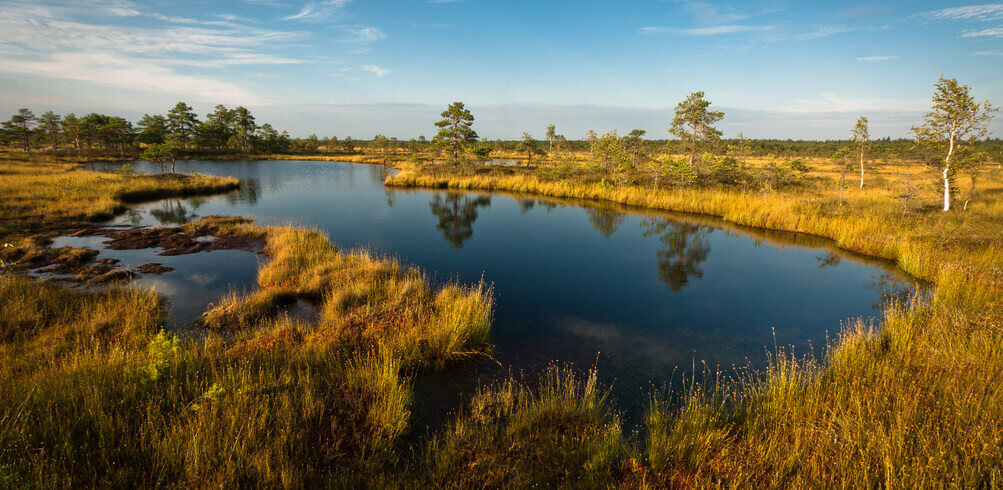
Estonia packs an extraordinary range of experiences into a small northern country, from a UNESCO-listed medieval capital and ancient meteorite craters to primeval bogs and Cold War relics.
Whether you're drawn to medieval history, wild landscapes, or off-the-beaten-path island life, these five Estonian experiences belong on every itinerary.
Few countries in Europe pack as much into such a small footprint as Estonia. Its capital, Tallinn, is one of the best-preserved medieval cities in the world. Its islands are home to communities that still live close to ancient traditions. Its national parks contain landscapes that have barely changed since the Stone Age, and its Soviet-era relics offer a quietly fascinating counterpoint to all that ancient history. What makes Estonia special is how these layers sit side by side, with very little fuss and almost no crowds.
Here are five experiences that capture what the country does best.
-
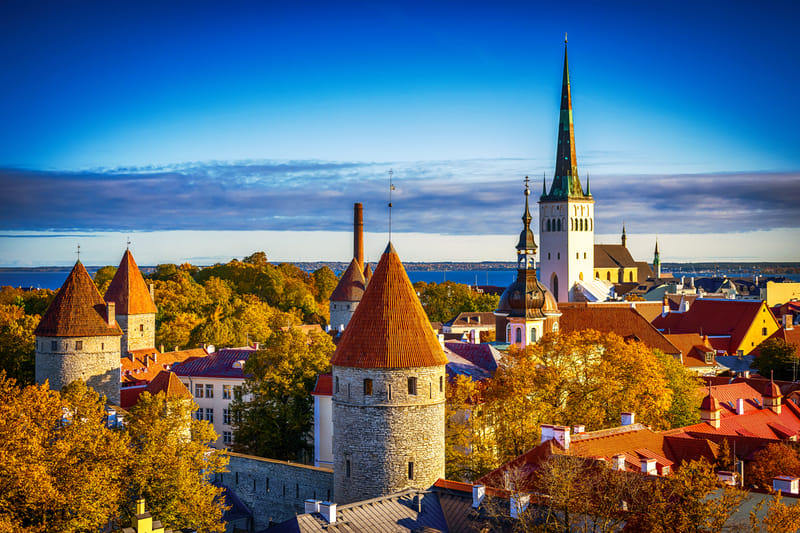
Tallinn Old Town
Come for the medieval architecture; stay for the surprisingly modern food scene.. Tallinn's Old Town is one of the most beautiful places in Europe to immerse yourself in a medieval atmosphere. The UNESCO World Heritage site is a must-see spot in the Estonian capital, not just for its excellent historical preservation, but for its churches, nightlife, and views, especially from atop Toompea Hill.
If you're a full-blown medievalist, plan to visit in early July, when Tallinn Old Town hosts its annual Medieval Days festival. Running since 2000, it's one of Estonia's most beloved summer events, a mecca for anyone looking to experience a genuine slice of old Hanseatic culture, complete with knights, artisan markets, and medieval music filling the cobbled streets.
There's also the Tallinn Museum of Orders of Knighthood, which offers an eclectic historical look at the history of medieval knights from around the world.
-
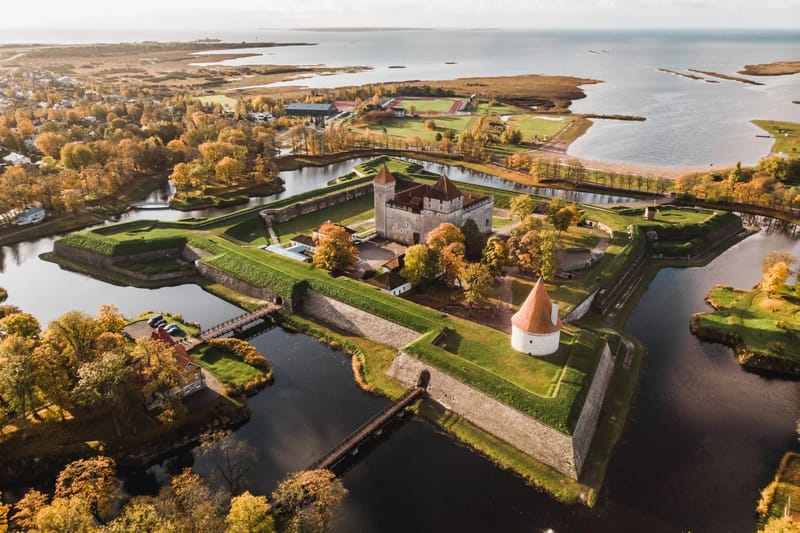
Saaremaa Island
Estonia has more than 2,300 islands, home to small indigenous communities that still maintain a largely traditional way of life. Saaremaa is by far the biggest island, and alongside its impressively preserved medieval fortress, is home to one of Estonia's most remarkable natural landmarks: the Kaali meteorite craters.
These nine craters date to the late Bronze Age, around 3,500 years ago, when a meteorite broke apart in the atmosphere and struck Saaremaa with the force of a small nuclear explosion. The largest crater, 110 metres (361 feet) across, filled with water and is believed to have become a sacred site for centuries, with archaeological evidence of ritual use well into the early Common Era.
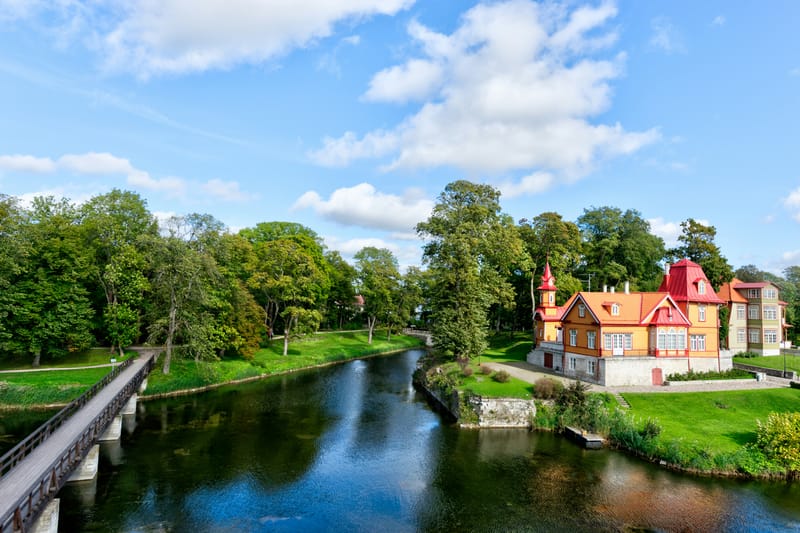
In the island's capital, Kuressaare, sits Kuressaare Castle, a Gothic-style Teutonic fortress that passed through the hands of the Danes, Swedes, and Russians. It has a neat museum covering the rich history of Saaremaa and well-restored interior areas, including the castle dungeons. Saaremaa also has a charming collection of traditional windmills worth seeking out.
-
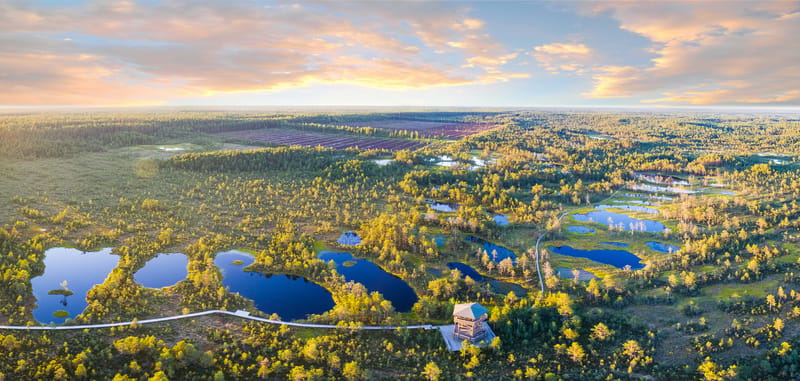
Soomaa National Park
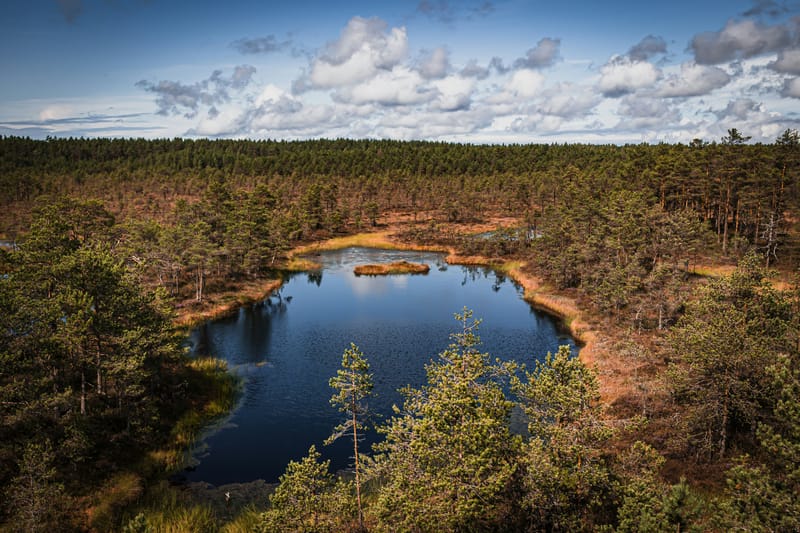
Head to Soomaa National Park (quite literally, the 'land of bogs') to take part in a highly unusual, highly Estonian activity: bog walking. This involves either using wooden boardwalks or wearing special boat-like bog shoes to carefully tread across Estonia's ancient peat bogs, a defining characteristic of the country's primeval landscapes. Canoeing is another popular option for those who'd rather float than walk.
Life in Soomaa dates back to the Stone Age, and locals still partake in traditional pastimes like making handmade dugout canoes. These fragile wetlands are also prime breeding grounds for plenty of wildlife, including rare birds, elk, wild boars, wolves, beavers, and brown bears. Brown bears, wolves, and the Eurasian lynx are all present, though all three are among Estonia's most elusive predators.
Soomaa also famously has a 'fifth season', usually between March and April, when powerful floods transform the wetlands into an inland sea big enough to swallow entire forests.
-
Lahemaa National Park
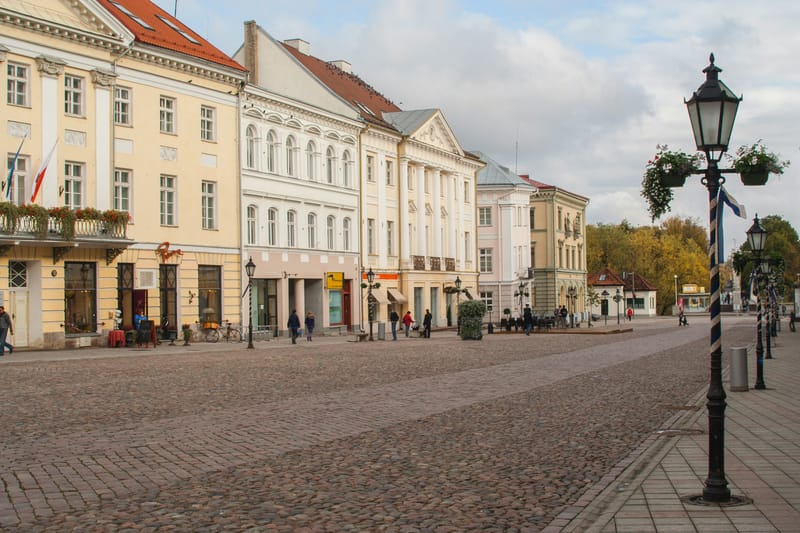
Lahemaa, meaning 'land of bays', is Estonia's largest national park and a genuinely distinctive destination. Like Soomaa, there are ancient bogs, but also Ice Age-era rocks, and its most talked-about attraction: the ruins of a Cold War-era Soviet submarine demagnetisation base.
The Hara submarine base, built in the 1950s, is a treasure trove of concrete exploration, with the predictable coat of graffiti that comes with any abandoned site (there's a small entrance fee). For a more refined experience, Lahemaa has four historical European manors, each varying in size and opulence: Vihula, Palmse, Kolga, and Sagadi. Sagadi even has a Forest Museum worth visiting for nature-lovers. All four manors require a small entrance fee and have basic amenities.
Lahemaa is around an hour's drive from Tallinn, making it an easy day trip from the capital.
-
Tartu
Estonia's second city is a vibrant student town packed with cultural sights, museums, and charming architecture. Its most famous landmark is probably the 'Kissing Students' fountain in Town Hall Square. Like Tallinn, Tartu has a wonderful Old Town district full of history, perfect for an afternoon stroll.
Tartu is also home to the Estonian National Museum, one of the country's finest cultural institutions, as well as the Tartu Art Museum and the Tartu Toy Museum. For more outdoorsy visitors, take a boat ride on the River Emajõgi, with options ranging from nature-focused trips to historical vessel experiences on the medieval Jõmmu barge.
In 2024, Tartu served as a European Capital of Culture, a designation that brought a wave of new exhibitions, events, and creative energy to the city, much of which continues to shape its cultural life today.
Honourable mention: Narva
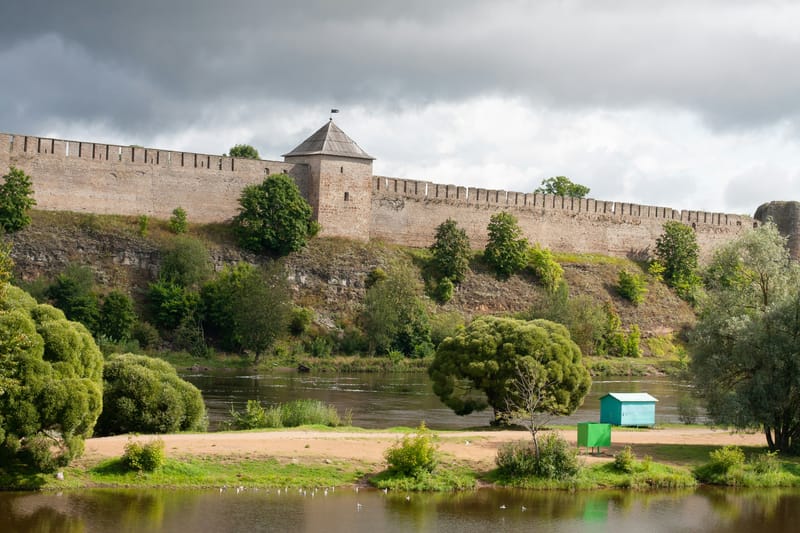
One more Estonian experience worth the detour: Narva is a must-visit for Soviet history enthusiasts keen on learning more about Estonia's complex occupation period. Located at the country's eastern edge, bordering Russia, Narva has a majority Russian-speaking population and much Soviet-era architecture. Its best-known landmark is Hermann Castle (also called Narva Castle), an ancient Teutonic fortress. Just across the river, the Russians built the fortress of Ivangorod in response, creating one of the most striking border scenes in Europe.
Plan your visit to Estonia
-
Best time to visit: late spring to early autumn (May to September) for long daylight hours, the Medieval Days festival in July, and bog walking conditions. Winter brings snow and a quieter pace, but days are very short this far north.
-
Getting around: Estonia is compact and easy to navigate. Tallinn is the main gateway, with day trips to Lahemaa and Tartu by car or bus. Saaremaa requires a ferry from Virtsu or Kuivastu.
Planning a broader Baltic itinerary? Our first-timer's guide to Estonia covers everything you need to know before you go.
Frequently asked questions about visiting Estonia
Planning your Estonian itinerary? Here are the questions travellers ask most.
What are the best things to do in Estonia?
The best things to do in Estonia include exploring Tallinn's UNESCO-listed medieval Old Town, bog walking in Soomaa National Park, visiting the Kaali meteorite craters on Saaremaa Island, touring the Cold War ruins and historic manors of Lahemaa National Park, and discovering the university city of Tartu. Estonia also rewards travellers who venture to its more than 2,300 islands, particularly Saaremaa and Hiiumaa.
How many days do you need in Estonia?
Most travellers spend three to five days in Estonia, which is enough to cover Tallinn's Old Town, take a day trip to Lahemaa or Tartu, and possibly a night or two on Saaremaa Island. To explore the national parks and islands at a relaxed pace, allow seven to ten days.
When is the best time to visit Estonia?
The best time to visit Estonia is May to September, when temperatures are mild and daylight hours are long. July is the peak of summer and coincides with events like the Medieval Days festival in Tallinn. Spring (May to June) and early autumn (September) offer pleasant conditions with fewer crowds. Winter is cold and dark but atmospheric, particularly in Tallinn.
Is Estonia good for nature and outdoor activities?
Estonia is excellent for nature lovers. More than half the country is covered in forest, and its two major national parks, Soomaa and Lahemaa, offer bog walking, canoeing, wildlife spotting, and hiking. Wildlife includes brown bears, wolves, elk, beavers, and the elusive Eurasian lynx. The coastline and islands add sea kayaking and island exploration to the mix.
What is Soomaa's 'fifth season'?
Soomaa's fifth season is a local term for the annual spring flooding that transforms the national park's wetlands into an inland sea. It typically occurs between March and April, when snowmelt and heavy rains cause rivers to burst their banks and submerge the surrounding forest floor. During this period, canoe and boat tours operate through areas that are otherwise dry land, making it one of Estonia's most unique natural spectacles.
Explore Estonia with Inspiring Vacations
From Tallinn's medieval walls to the wild islands and ancient bogs of the interior, Estonia is one of Europe's most rewarding destinations for curious travellers. Inspiring Vacations offers small-group and private tours designed to take in the country's best. Experience Estonia on our Baltic City Hop or browse our Estonia tours and find the itinerary that suits you.