
 New Zealand
 United States
 Canada

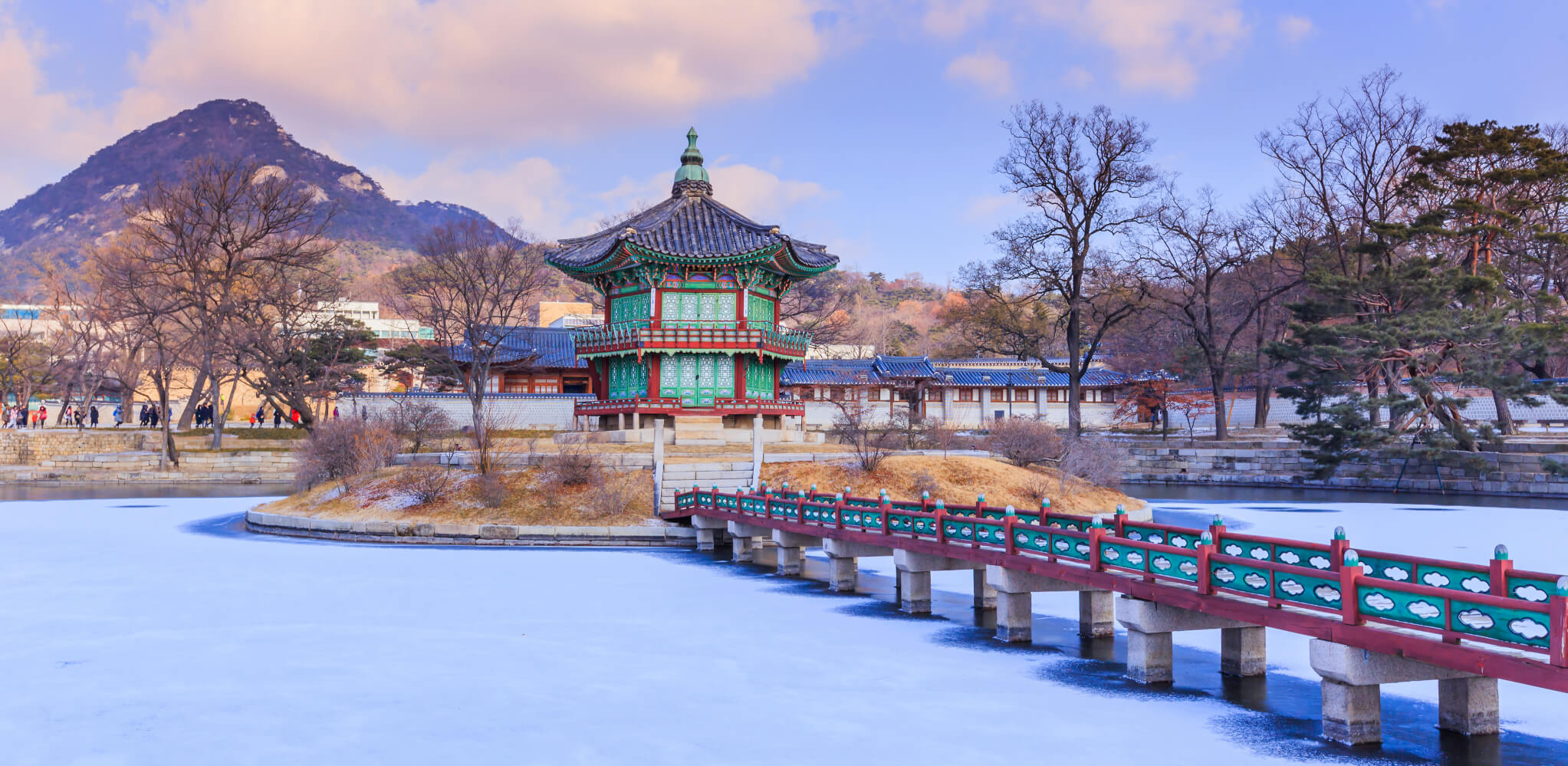
The best time to visit South Korea is during spring (April to June) and autumn (September to November), when the weather is mild, rainfall is lower, and conditions are ideal for sightseeing and outdoor exploration. Spring brings cherry blossoms, while autumn delivers vibrant foliage and clear skies
With thriving cities, where futuristic skyscrapers rub shoulders with centuries-old temples, and a rugged, mountainous landscape, South Korea is a delightful mix that continues to surprise and captivate first-time visitors.
From the neon-lit streets of Seoul to the coastal charm of Busan and the cultural heart of Gyeongju, South Korea offers something for every traveller. Understanding the seasons can help you make the most of your journey, whether you’re chasing cherry blossoms, autumn colours, or winter snow.
The 'Land of the Morning Calm’ experiences four distinct seasons, each with its own appeal, so deciding the best time of year to visit South Korea depends on what kind of trip you’re after. Understanding how each season shapes travel conditions will help you decide when to plan your visit.
Summer in South Korea (June to August)
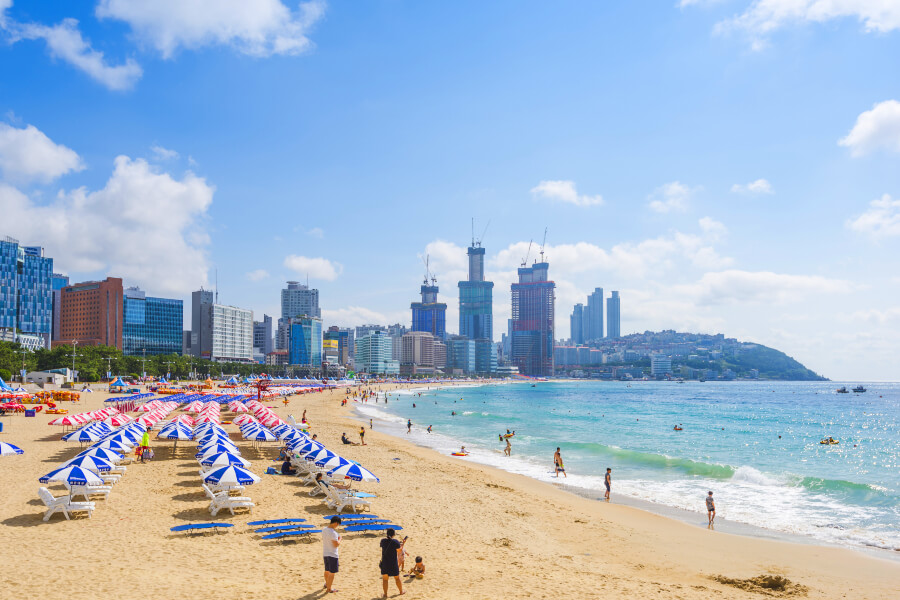
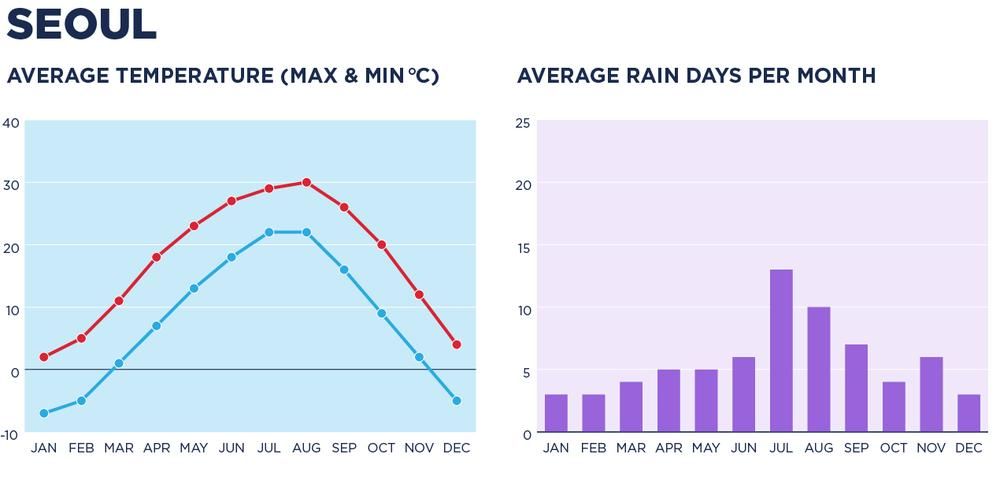
Summers in South Korea are hot and humid, with temperatures rising in June and peaking in July and August. A significant portion of the country’s annual rainfall falls during this period,especially in July, as the monsoon season sweeps across the nation. Thanks to South Korea’s modern efficiencies, air conditioning is widely available, making city exploration manageable.
Seoul offers an exciting mix of high-tech buildings, historic markets and street food, with temperatures around 29 °C (84 °F). The glistening beaches and bars of Busan are idyllic in summer, with average temperatures of 27 °C (81 °F). Head south-east to Daegu at this time to peruse some of the country’s best fashion districts, where temperatures hover around 30 °C (86 °F).
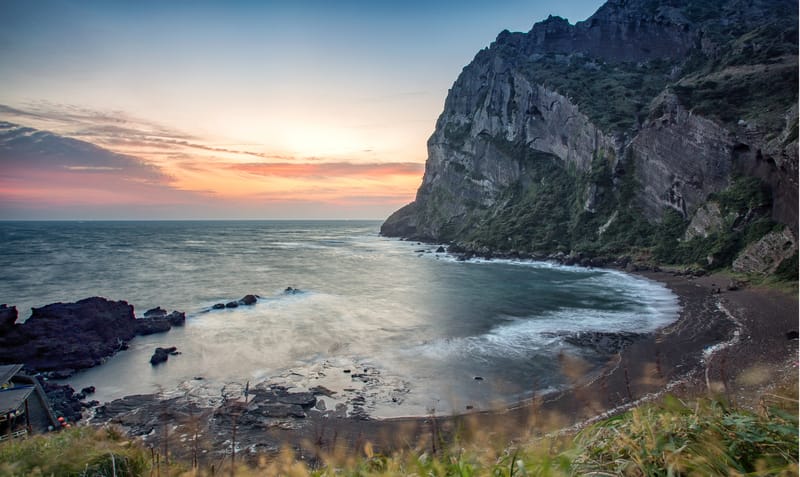
Summer also brings some of South Korea’s liveliest festivals. The Boryeong Mud Festival in July invites visitors to enjoy mud games and music on the west coast, while Seoul hosts the Seoul International Dance Festival and Seoul Fringe Festival with contemporary performances and street entertainment. Coastal areas like Jeju Island feature weekend fireworks and cultural celebrations. For nature lovers, early mornings offer cooler conditions for hiking (though humidity can still be high) in Seoraksan National Park or exploring Jeju’s volcanic landscapes and waterfalls.
Autumn in South Korea (September to November)
Autumn (fall) is one of the most beautiful times of the year to experience South Korea, as the country is cloaked in crimson foliage. Ride the cable car to the top of Palgongsan Mountain near Daegu for panoramic views of the red, gold and orange canopies. With mild temperatures and little rainfall, autumn is a comfortable time to wander Seoul's traditional villages, ancient temples and dynamic street markets for a taste of local life. In the middle of autumn, Seoul averages around 20 °C (68 °F), and Daegu and Busan both hover around 22 °C (72 °F).
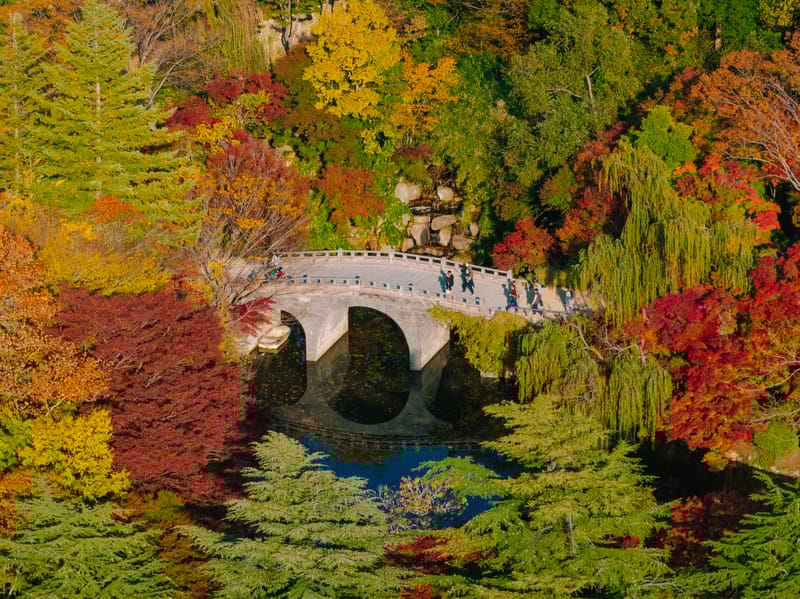
Autumn is also festival season with events like the Andong Mask Dance Festival and Seoul Lantern Festival bringing cultural performances and light displays across the country. Nature enthusiasts can take advantage of the crisp weather for hiking along Namsan or Jirisan National Park, where the fall foliage is at its peak. Autumn is ideal for temple stays, winery tours in the countryside, and exploring farmers’ markets with seasonal foods like chestnuts, persimmons, and sweet potatoes.
Winter in South Korea (December to February)
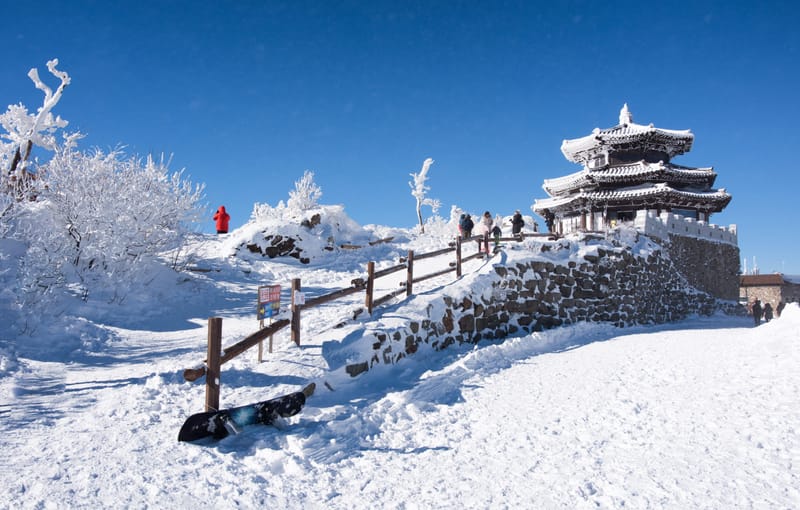
From late November, temperatures begin to drop as winter approaches. Winter in South Korea is dry and freezing, with regular snowfall. The country is well-equipped to cope with the weather, so if you’re prepared to rug up, you’ll have access to all the best sights, minus the summer crowds.
Seoul offers plenty of ways to keep warm, from traditional tea-houses to hearty winter feasts of galbi-jjim (braised short ribs) and sundubu jjigae (spicy tofu stew), despite temperatures just above freezing. Busan tends to be warmer, around 8 °C (46 °F), and Daegu around 5 °C (41 °F), with many of opportunities to build a snowman, no matter where you visit.
Winter is also the season for ice festivals and skiing adventures. The Hwacheon Sancheoneo Ice Festival allows visitors to try ice fishing and winter games, while resorts like Yongpyong and Alpensia offer skiing, snowboarding, and cozy lodges. Winter illuminations in cities such as Seoul and Busan create festive atmospheres, and hot spring visits or jjimjilbang (traditional bathhouses) offer relaxing escapes from the cold. Cultural experiences like temple stays or cooking classes provide a warm and immersive way to enjoy South Korea’s winter months.
Spring in South Korea (March to May)
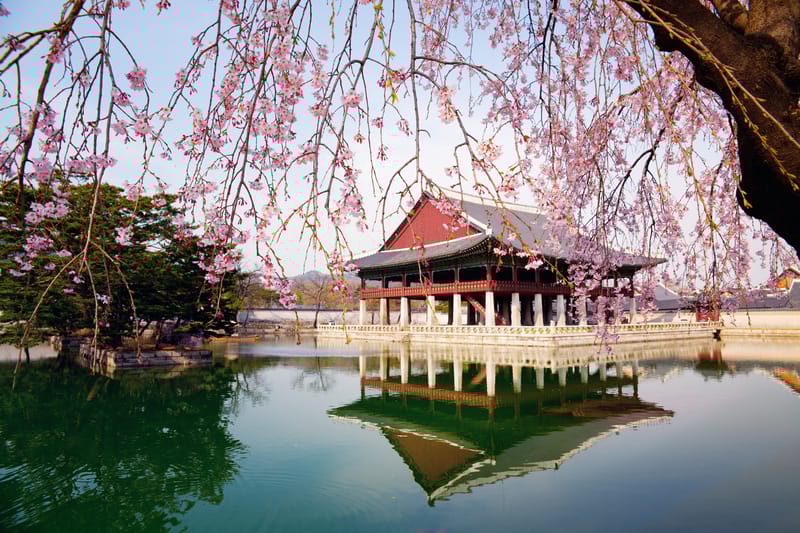
Spring is one of the prettiest times to experience South Korea. It boasts the famous cherry blossom season, where much of the country is awash with pink and white petals. The event attracts visitors from all over the world, and most corners of the country enjoy consistently sunny weather, ideal for taking in the spectacle. Cherry blossom season in Seoul and Busan is typically around 18 °C (64 °F), while Daegu averages 20 °C (68 °F).
Beyond the blossoms, spring is also a great time to experience cultural festivals such as the Jeju Canola Flower Festival and the Jinhae Cherry Blossom Festival. Early mornings and weekends are ideal for visiting national parks like Seoraksan or Bukhansan, where hiking trails are lively with local families and nature enthusiasts. The mild weather also makes it perfect for exploring traditional markets, tea houses, and palace grounds without the summer crowds.
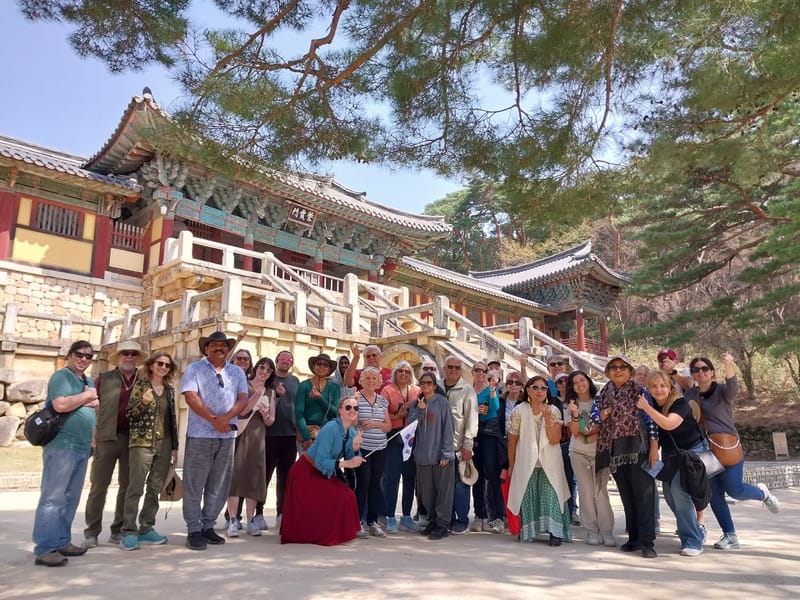
Culture lovers should also take advantage of the season to explore some of the country’s historic sites, from Gyeongju’s traditional folk village to the Daereungwon Royal Tomb, offering a deeper appreciation of the nation’s 5,000-year heritage.
South Korea-bound? What to know before you go
A little preparation can make your South Korea journey even smoother. Here are a few helpful things to keep in mind before you travel.
Getting around
South Korea has an efficient and easy-to-use public transport system, especially in major cities like Seoul and Busan. High-speed KTX trains connect key destinations, making it simple to travel between cities in just a few hours.
Local customs
Respect for culture and etiquette is important. When visiting temples or traditional sites, dress modestly and be mindful of local customs. A small bow or polite greeting goes a long way.
Currency and payments
The South Korean won (KRW) is the local currency, and credit cards are widely accepted in cities. However, it’s useful to carry some cash when visiting markets or smaller towns.
Frequently asked questions
Exploring South Korea on a guided tour can help you experience each season with ease, from cherry blossom festivals to autumn foliage.
What is the best month to visit South Korea?
April, May, October and early November are among the best months to visit South Korea. During these periods, the weather is mild, rainfall is low, and the country’s natural scenery is at its peak—whether that’s cherry blossoms in spring or colourful foliage in autumn. These months are ideal for sightseeing, outdoor activities and exploring cities like Seoul and Busan.
When is cherry blossom season in South Korea?
Cherry blossom season in South Korea typically runs from late March to mid-April, depending on the region and weather conditions. Blossoms usually appear first in the south, including Busan, before reaching Seoul in early April. The season is relatively short, so timing your visit carefully is key to experiencing it at its best.
Is summer a good time to visit South Korea?
Summer can be a good time to visit South Korea if you enjoy beaches, festivals and lively city atmospheres. However, it is also the hottest and most humid season, with July and August bringing monsoon rains. Coastal destinations like Busan are particularly popular during this time, while cities offer plenty of indoor attractions to escape the heat.
Does it snow in South Korea?
Yes, it does snow in South Korea, particularly between December and February. Northern regions and mountainous areas tend to see the most snowfall, while cities like Seoul often experience several snowfalls each winter. This makes it a great time for winter sports and enjoying seasonal landscapes.
Is South Korea expensive to visit?
South Korea can be relatively affordable compared to other developed destinations, depending on your travel style. Accommodation, transport and food options range from budget-friendly to luxury, and the country’s efficient public transport helps keep costs manageable. Travelling outside peak seasons like spring and autumn can also help you find better value.
What should I pack for South Korea?
What you pack depends on the season. In spring and autumn, layers are ideal for mild but changing temperatures. Summer calls for lightweight, breathable clothing, while winter requires warm layers, including a coat, scarf and gloves. Comfortable walking shoes are essential year-round for exploring cities and cultural sites.
Whether you’re drawn by the cherry blossoms of spring, the golden hues of autumn, or the energy of its modern cities, South Korea offers a rewarding experience year-round. Choosing the right season will simply help you experience it at its very best. South Korea will win you over with its dynamic mix of past and present.