
 New Zealand
 United States
 Canada

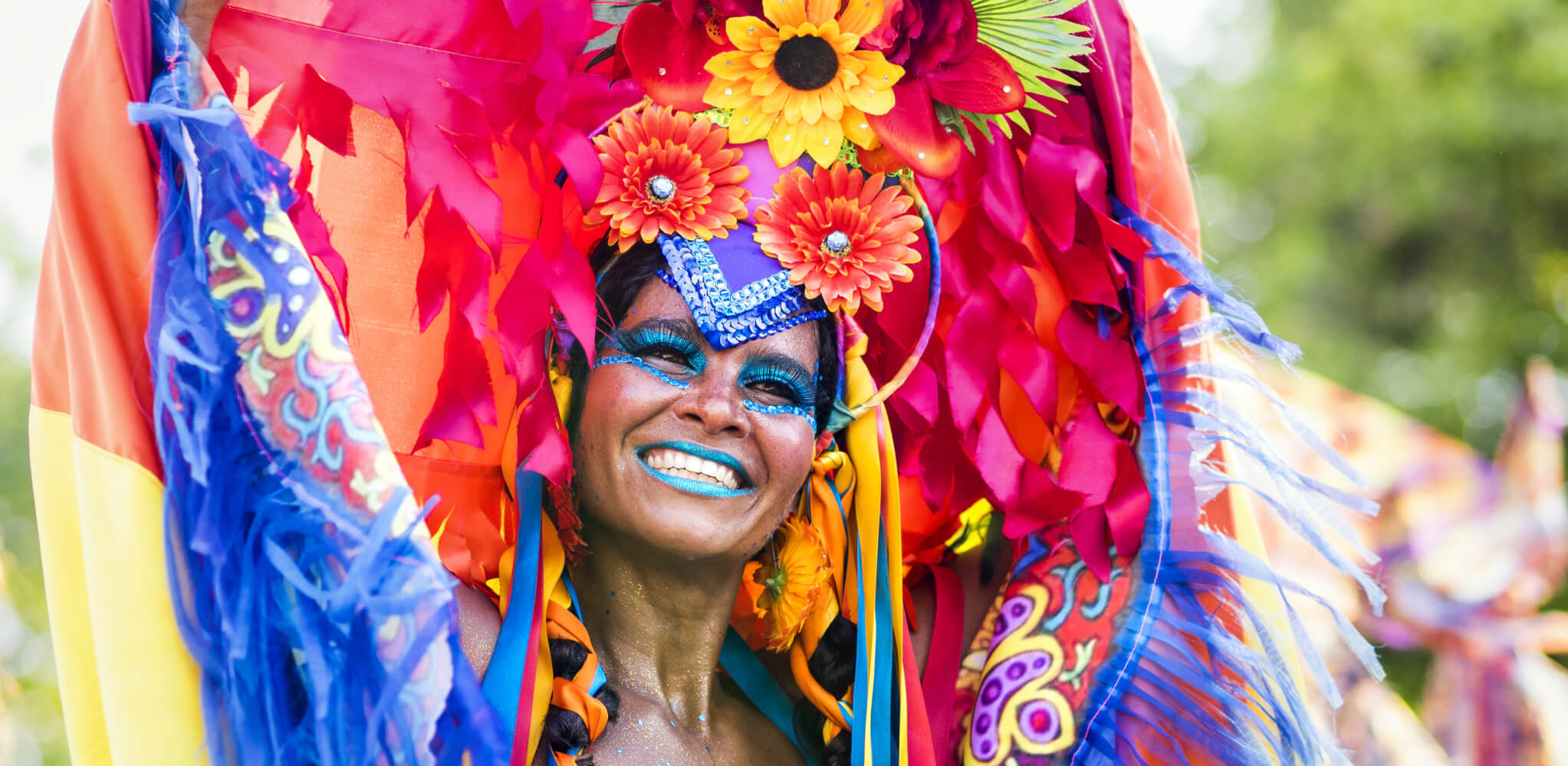
Celebrated in the days leading up to Lent, Carnaval is a vibrant cultural event known for its parades, music, costumes, and street celebrations across Latin America and Europe. From Rio de Janeiro’s dazzling samba parades to Cádiz’s satirical street performances, Carnaval offers a unique window into local traditions, creativity, and community spirit.
What is Carnaval?
The Carnaval festival (or Carnival, depending on where in the world you’re celebrating) typically lasts several days or even weeks, rather than having a fixed date, and its timing changes each year based on the date of Easter, ending on Shrove Tuesday, the day before Ash Wednesday. It contains elements of medieval folklore and Christian tradition. A precursor to the abstentions of Lent, Carnaval (originating from the Catholic tradition of "farewell to meat" or carne vale) is a pre-Lent celebration and an opportunity to abandon social hierarchies and live outside everyday life.
In the modern age, this translates into some of the most colourful street parties and parades on Earth, with Latin cultures in South America and Spain making the most of their music, dance and histories. For visitors, it’s the perfect opportunity to experience another side of those cultures.
Carnaval is also a time for communities to celebrate cultural identity, history, and local traditions through elaborate costumes, music, dance, and theatrical performances. It often serves as a way for marginalised communities to express themselves and preserve historical or regional traditions. What remains consistent is its purpose: a time of celebration, creativity, and community before the reflective period of Lent.
Where is the Carnaval festival celebrated?
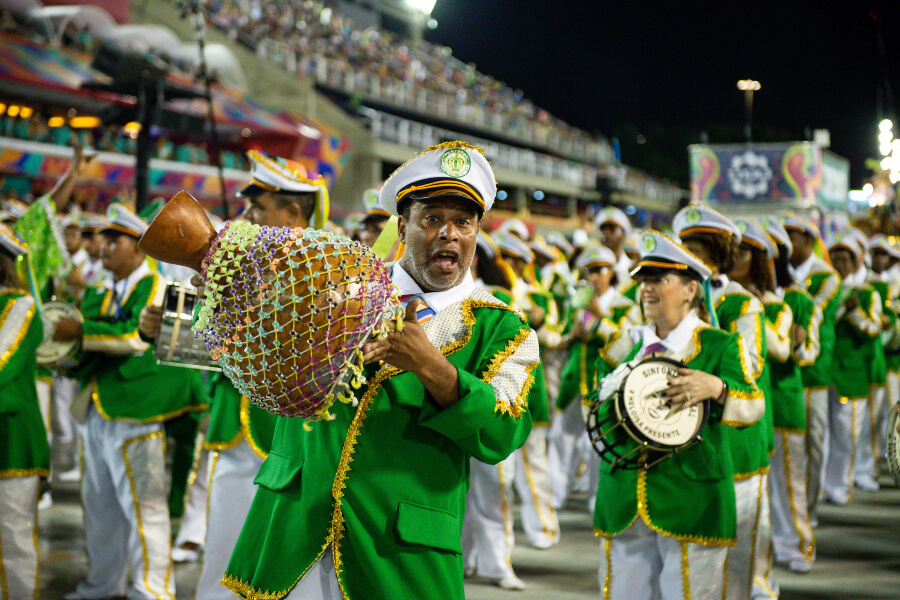
Many Latin cultures have some form of Carnaval festival, but the largest and most famous is in Rio de Janeiro, Brazil. Total attendance is usually well into the millions, with people congregating in the tens of thousands at different blocos (block parties). Lavish, vibrant parades draw on Brazil’s diverse lineages. You can even watch the country’s world-class samba schools strut their stuff in a competition so popular it warranted its own stadium: the Sambadrome Marquês de Sapucaí.
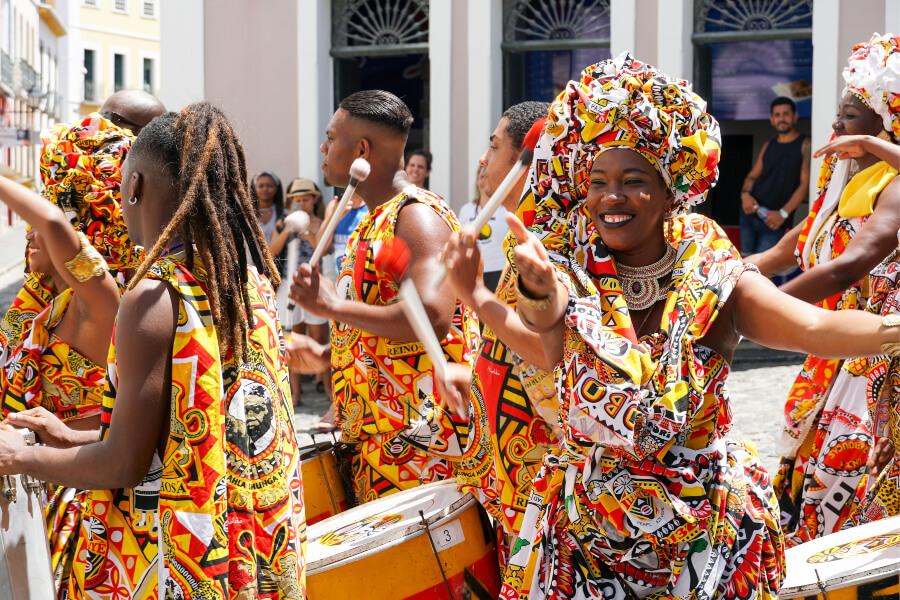
Not to be outdone, Salvador’s Bahia Carnaval lasts longer than the Rio festivities and takes place across a wider area, providing even more opportunities to experience the trio elétrico trucks that carry musicians and dancers through the streets, as well as numerous concerts and live music. Areas such as the Liberdade neighbourhood make the most of their African roots with some stunning costumes.
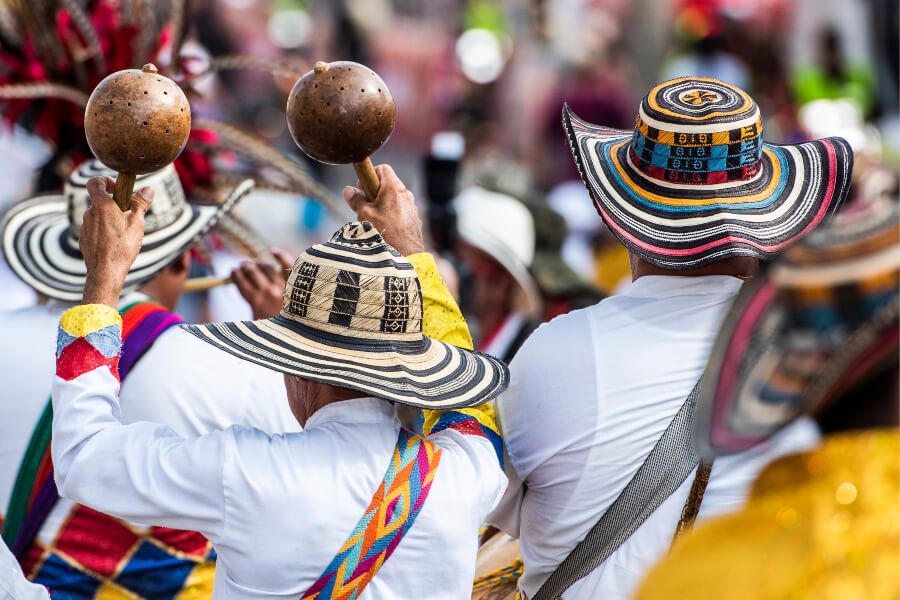
Colombia’s Barranquilla Carnival, recognised by UNESCO for its cultural significance, blends Indigenous, African, and Spanish traditions into a vibrant celebration of music and dance. This port city comes to life during the festival period when almost two million people attend, but there’s still ample room to soak up its idyllic Caribbean setting.
Many Latin American countries have notable Carnaval celebrations, reflecting the blend of Catholic heritage and local traditions. In Peru, Catholic and Indigenous Andean traditions are combined, while in some regions of Mexico, 'Burning of the Bad Mood' effigies (typically represented by a monster or devil in paper-mâché form) light up the night skies. There are foam parties in Ecuador, murga (street theatre) productions in Argentina and the Carnaval Andino Con la Fuerza de Sol in Chile is a major Andean festival held in the north of the country.
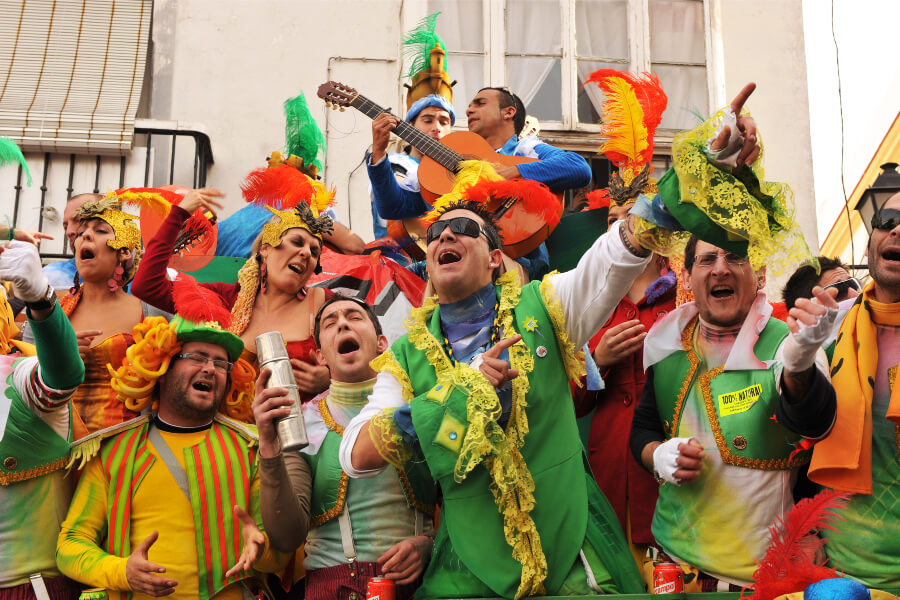
The most famous Carnaval festival celebrations outside South America are in Spain, with Santa Cruz de Tenerife and Cadiz among the destinations vying for top honours in Europe. Tenerife hosts the largest Spanish Carnaval festival, capturing the same vibrant spirit as its South American counterparts. Cadiz is known for its satirical edge, featuring Chirigota performances that poke fun at authority figures and pop culture, as well as groups dressed in themed or matching costumes.
What to eat and drink at a Carnaval festival
As you would expect at any festival, food and drinks form a significant part of Carnaval. Most events take place on the streets, so it’s the perfect time to visit a vendor and try some new local delicacies. Skewered meats, along with pork and rice dishes, are some of the most popular choices throughout South America. Street vendors often sell regional specialties that vary by city, allowing visitors to sample traditional dishes special to each Carnaval festival.
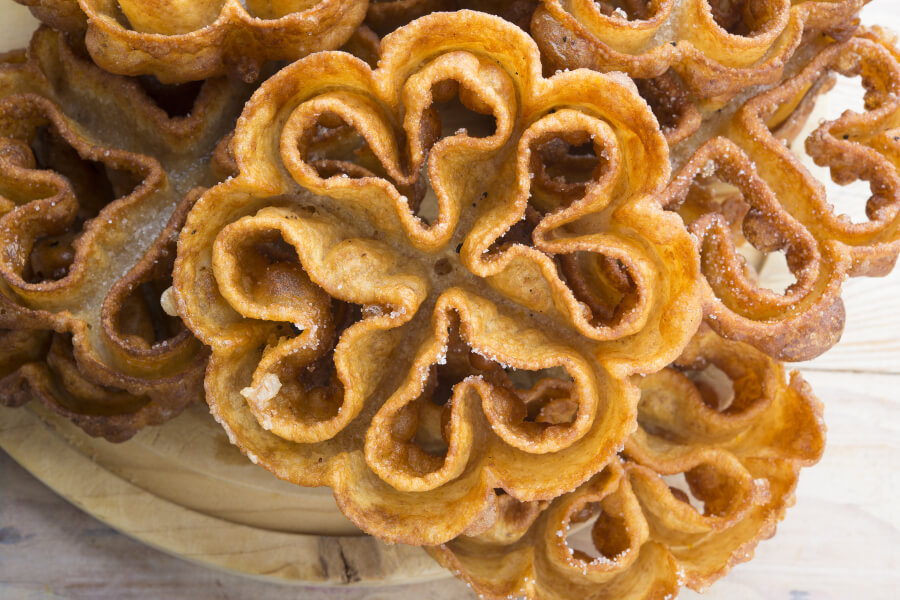
Anyone heading to Spain with a sweet tooth will be pleased to hear that a wide variety of deep-fried pastries and snacks containing custards, fruit and other confectionery will be on offer during Carnaval. In Brazil, you might snack on pão de queijo (cheese bread) or sweet brigadeiros (chocolate truffles), while in Colombia, arepas and fresh tropical juices are festival staples. In Spain, expect trays of golden, deep-fried pastries filled with custard or cream.
Drinks range from fresh fruit juices to local beers and regional spirits, depending on where you’re celebrating. Sampling local flavours is one of the easiest ways to connect with the culture behind each Carnaval festival.
Food and drink are more than just sustenance—they are an essential part of the Carnaval experience, connecting participants to the cultural and culinary heritage of each region.
Carnaval safety tips:
Carnaval is a joyful and welcoming celebration, but like any large public event, it’s important to stay aware of your surroundings. Following these simple Carnaval safety tips will help ensure your experience remains fun, memorable, and worry-free, letting you fully enjoy the music, dance, and vibrant atmosphere.
-
Keep valuables secure and avoid carrying unnecessary items. Phones, wallets and credit cards are best tucked away inside your clothing—and definitely not kept out on display for long periods. It’s also wise to carry only what you need and use a small, secure bag or money belt to minimise risk.
-
Only accept drinks from trusted sources and keep them with you. As at any party full of people you don’t know, be careful what you drink. Local beverages, such as the Amazonian plant-based catuaba, are popular in Brazil, but in general it’s best not to accept drinks from strangers. Likewise, it’s advisable to pay for drinks in cash to avoid unscrupulous vendors swapping your card with a fake one when they return it to you. Stick to well-known or official stalls and bars, and don’t leave your drink unattended.
-
Welcome friendliness, but stay aware. Expect some flirting and approaches from people you don’t know, such is the party atmosphere. However, these are normally playful and any would-be suitors will leave you alone if you decline their advances. Be friendly but cautious, and trust your instincts when interacting with strangers, just as you would anywhere in the world.
-
Dress to impress, but wear comfortable clothing suited to warm weather and crowds. The only fashion faux pas you can make at Carnaval is to dress down. You’ll be surrounded by people who have made a real effort, so if nothing else, dress for hot weather and crowded bloco parties—light, breathable clothes that can handle the foam, flour and baby powder that is often thrown in celebration, and shoes that you can dance in! For extra comfort, consider wearing a hat, sunglasses, and sunblock, as many festivities take place outdoors under the strong sun.
Frequently Asked Questions
Heading to South America and hoping to catch a Carnaval festival (or two)? Here are answers to some of the most common questions travellers have before joining the festivities.
1. What is the best time to attend a Carnaval festival?
Carnaval typically takes place in February or early March, ending on Shrove Tuesday. Dates vary each year depending on Easter.
2. What should I wear to Carnaval?
Light, breathable clothing is essential in hot weather and on crowded streets. Comfortable shoes are a must for dancing and walking. Many participants wear elaborate costumes, masks, or themed outfits to join the festive spirit, reflecting local Carnaval traditions.
3. Are there any safety tips for attending Carnaval?
Yes—always keep valuables hidden or leave them at home, watch your drinks, and avoid accepting beverages from strangers. Following simple Carnaval safety tips ensures you can enjoy the festival without unnecessary risk. Using a small bag or money belt is highly recommended.
4. What food and drink should I try at Carnaval?
Street food is a highlight of any Carnaval. In South America, try skewered meats, pork and rice dishes, and regional treats like brigadeiros in Brazil or arepas in Colombia. In Spain, enjoy deep-fried pastries and custard-filled snacks. Fresh juices, local beers, and regional spirits are also popular.
5. How do different countries celebrate Carnaval differently?
Each country has its unique twist on Carnaval. Brazil focuses on samba parades and trio elétrico trucks, Colombia highlights Barranquilla’s folklore and dances, and Spain features satirical performances like Chirigota in Cadiz. Other countries include foam parties, murga theatre, or Andean festivals that reflect local history and customs.
Ready to experience Carnaval festivities for yourself? Our best-selling Inspiring South America Small Group Tour takes you through Argentina, Brazil, and Peru, with optional extensions to Bolivia and Chile, including Santiago.