 New Zealand
 United States
 Canada

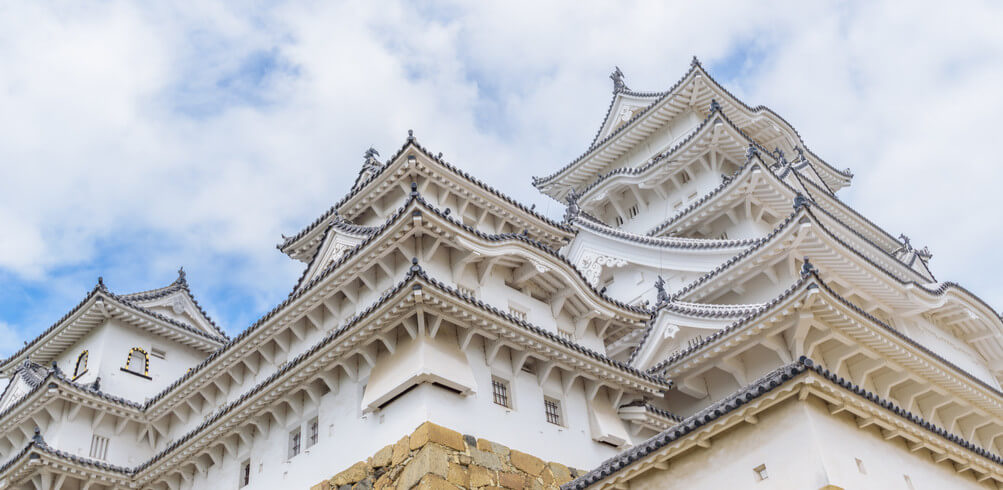
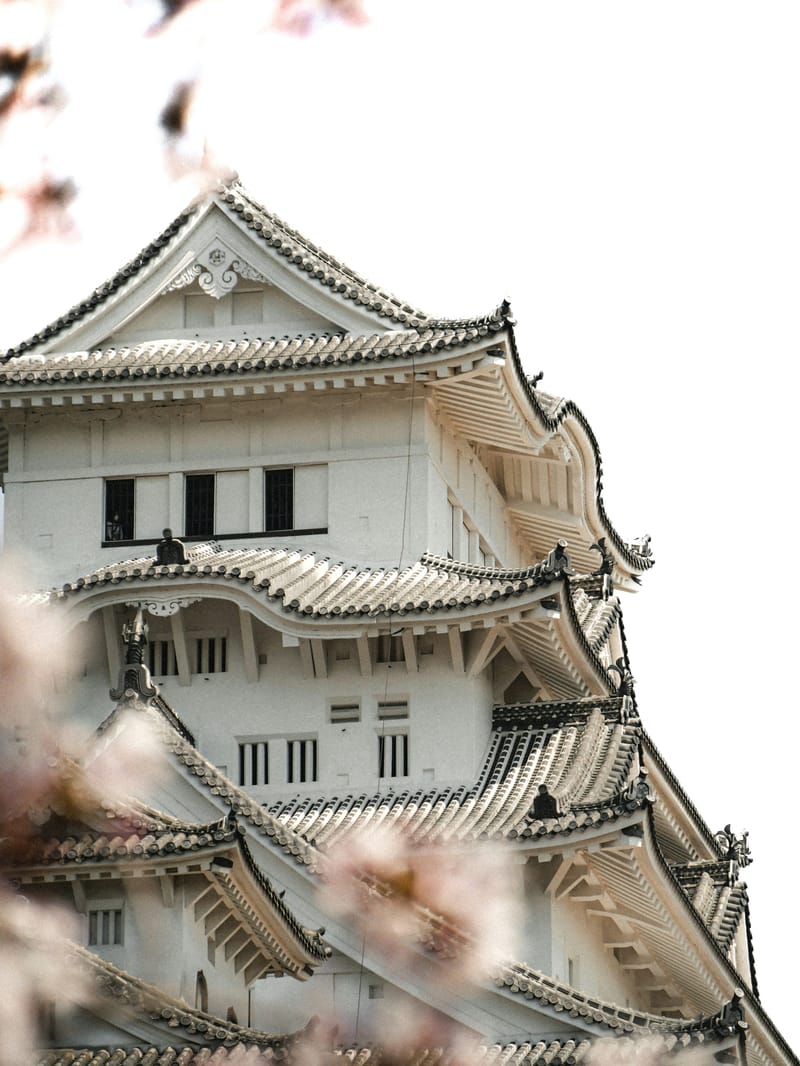
Walk out of Himeji Station on a clear morning and you see it almost immediately, a six-storey tower of white plaster perched on a wooded hill, less than two kilometres (about 1.2 miles) away, distinct even from the street. Locals call it Shirasagi-jo, the White Heron Castle, for the way its flared roofs and pale walls seem poised for flight. It is widely regarded as the most spectacular of Japan's original castles.
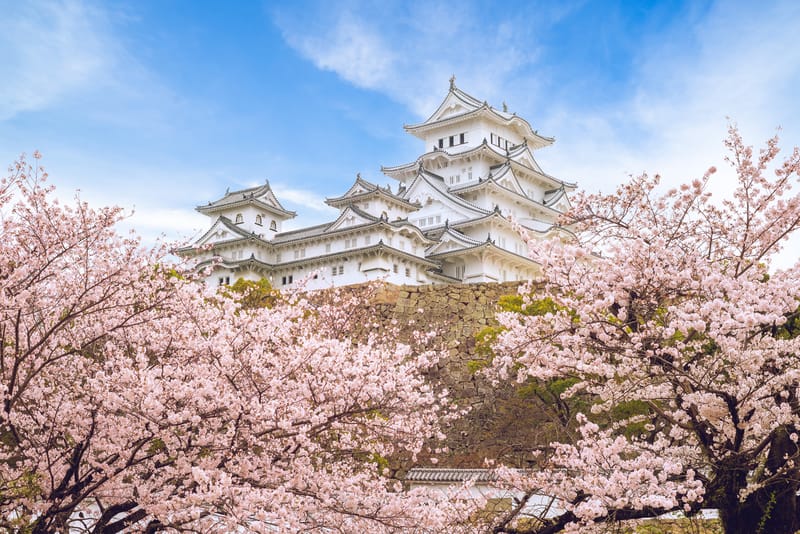
Himeji Castle at a glance
Himeji Castle is the finest surviving example of 17th-century Japanese feudal architecture, a UNESCO World Heritage site comprising 83 buildings set across 107 hectares (264 acres) in the city of Himeji, Hyogo Prefecture.
Himeji Castle’s history dates back to 1333, when the samurai Akamatsu Norimura built a fort on Himeyama Hill. Successive warlords remodelled the site over the following centuries, but the castle we see today was built between 1601 and 1609 by Ikeda Terumasa. Later lords expanded the grounds, and the complex has stood largely unchanged for more than 400 years.
Himeji sits in the Kansai region of western Honshu, less than an hour by bullet train from Kyoto or Osaka. The castle survived the bombing of Himeji in World War II, frequent earthquakes and centuries of weather. Most Japanese castles you see today are 20th-century concrete reconstructions. Himeji is one of only twelve that remain largely original.
The visitor experience
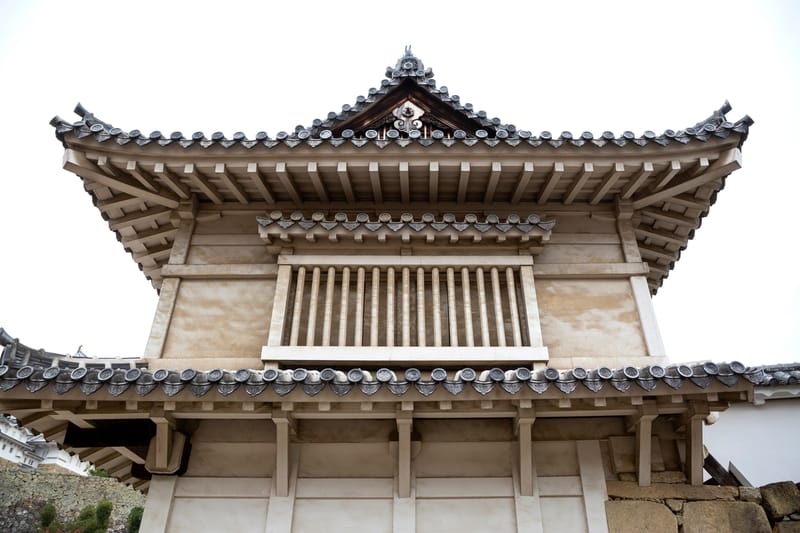
A visit to Himeji Castle typically takes two to three hours and includes the outer gardens, the main keep, and the connecting corridors and turrets. The castle is open daily from 9 am, with entry via the Otemon gate, and guided routes wind upward through a deliberately maze-like sequence of stone-walled passages before reaching the six-storey donjon at the summit.
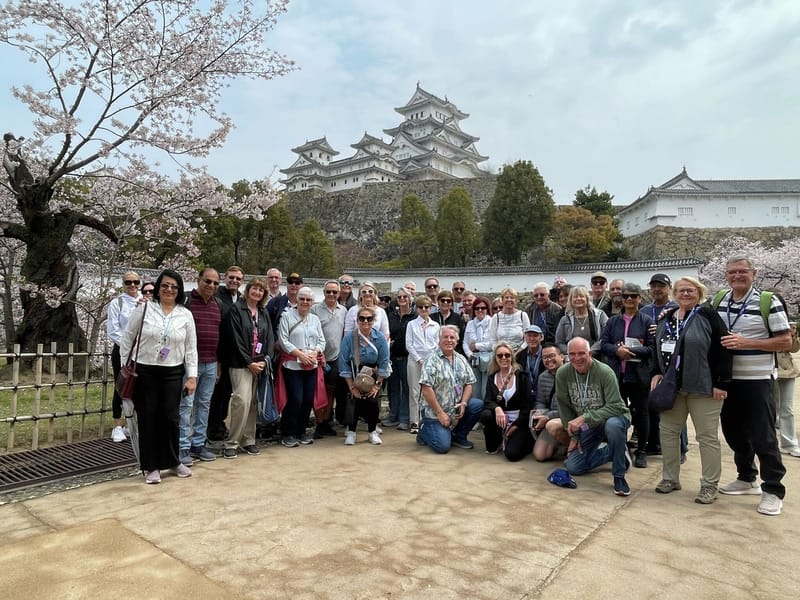
From Himeji Station, the castle is a 15-to-20-minute walk straight up Otemae-dori, a wide boulevard lined with shops and restaurants, and you'll see the keep growing larger with every block. A retro-styled Castle Loop Bus also runs from the station to the main gate for anyone who prefers not to walk. The Otemon gate is where most visitors pause for their first photograph, especially in early April when rows of cherry blossoms frame the white walls in pale pink.
The main keep, or tenshu, rises 32 metres (105 feet) from the summit of Himeyama Hill. Its interior is now unfurnished, but signs throughout explain the construction techniques used in its feudal-era wooden framework. If you can manage the steep wooden stairs, the climb is worth it. From the top floor, a small Shinto shrine sits within the beams, and the windows offer views across Himeji City and beyond to the Harima Plain. On a clear day, you can see all the way to the coast of the Seto Inland Sea.
The castle complex is vast. Eighty-three buildings stand within the 107-hectare (264-acre) property, including the main keep, three smaller keeps, connecting corridors, gates, turrets, stone walls, and three concentric moats. Successive feudal masters meticulously maintained the buildings through the 17th, 18th, and 19th centuries, and a five-year restoration project completed in March 2015 removed decades of accumulated dirt, restoring the roof to its original brilliant white. That work revealed the surface so vividly that locals briefly called the building "too white" in the months after its reopening.
What to look for inside the complex
-
The main keep (tenshu): a six-storey wooden tower with defensive floors of varying heights, stone-dropping chutes above the gates, and narrow loopholes for archers and gunners.
-
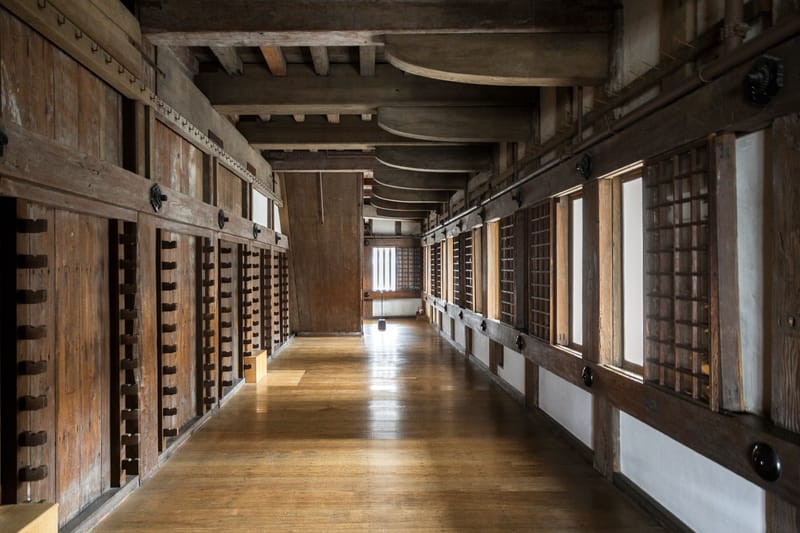
The west bailey (Nishinomaru): a long gallery of connected turrets where Princess Sen, granddaughter of Tokugawa Ieyasu, once lived. Cherry trees line its approach in spring.
-
The Hishi gate: the first fortified gate inside the Otemon, where a stone monument honours Nakamura Shigeto, the army colonel who saved the castle from demolition in the 1870s.
-
The Bizenmaru courtyard: the final inner plaza before the keep, lit up in white from sunset until midnight during seasonal illumination events.
What most visitors miss
Some of the best things to do in Himeji sit beyond the main keep. Himeji Castle is bigger than most visitors realise. Most day-trippers rush the climb and leave within 90 minutes, missing the three moats, the outer stone walls, and the quieter corners of the west bailey. An extra hour or two opens up the parts of the complex that reveal how the whole fortress was actually built to work.
The castle was designed as a fortress, not a display piece. Its maze-like approach was intended to confuse and slow invading forces. Narrow paths double back on themselves, stone walls rise in curved patterns that shed arrows rather than deflecting them straight back at archers, and the stepped gates force attackers into choke points where defenders above could drop stones. Few surviving Japanese castles preserve this level of defensive architecture intact, and none do so at Himeji's scale.
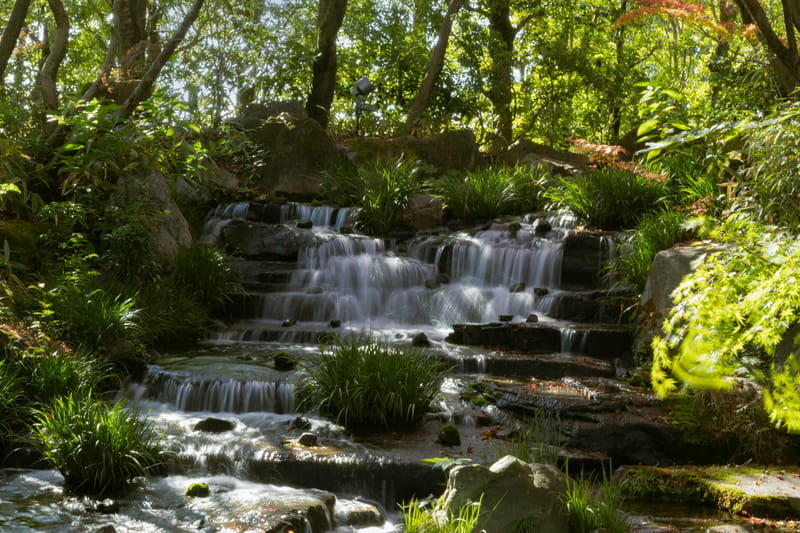
The Himeji Castle Kokoen garden sits next door and offers a different pace. Nine separate gardens, each in a different Edo-period style, opened in 1992 to commemorate the centenary of Himeji's establishment as a city in 1889. A restored feudal-era teahouse serves matcha in one corner, and carp ponds, a bamboo grove and a pine garden sit within walking distance of the castle's west moat. A combined ticket covers entry to both sites and is the best value option for anyone planning a full day.
For those with more time, a wasen boat ride on the inner moat gives a perspective on the castle few photographs capture. Traditional wooden punts trace the water at the base of the stone walls, with commentary offered by the boatmen themselves. The ride lasts around 30 minutes, runs seasonally, and sells out on weekends in peak cherry-blossom season, so book early at the visitor centre.
Practical information for visiting Himeji Castle
When you visit Himeji Castle, a few details make the difference between a rushed stop and an unhurried afternoon on the grounds. Himeji is popular, particularly during cherry-blossom season in late March and early April, and the interior of the main keep has a strict one-way visitor route that can back up on peak days.
-
Getting to Himeji: the city is served by the Sanyo Shinkansen from Kyoto (about 45 minutes), Osaka (around 30 minutes) and Hiroshima (about an hour). From Himeji Station, the castle is a 15-to-20-minute walk straight up Otemae-dori, or a short Loop Bus ride.
-
Himeji Castle opening hours: the castle grounds and main keep open daily from 9 am, closing at 5 pm (with last entry at 4 pm) for most of the year, and extended to 6 pm between late April and August.
-
Admission: adult tickets from March 2026 are 2,500 yen for the castle only, or 2,600 yen for a combined Himeji Castle and Koko-en ticket. Under-18s enter free. Digital tickets are now the default at the gate.
-
When to visit: April is peak season for blossoms and the busiest month overall. Autumn (late October to mid November) offers equally striking foliage in Koko-en with a fraction of the crowds. Winter visits are quieter still, with crisp light that makes the white exterior especially photogenic.
-
How long to spend at Himeji Castle: plan on a minimum of two hours for the castle alone, three to four if you're adding Koko-en or taking your time on the grounds. Ticket details, hours and pricing are subject to change.
Current opening hours, ticket prices and any temporary closures are listed on the official Himeji Castle site, updated by the Himeji City government.
Insider tip
Ask at the ticket gate about the castle's night illumination schedule. From sunset until midnight, the main keep is lit in white light that makes the plaster walls glow, and on many evenings at 8 pm and 9 pm, a 15-minute seasonal performance projects colour or pattern across the facade. The lighting is visible from the wide boulevard outside the Otemon gate, which you can access without a ticket, and on warm evenings in spring, the surrounding Himeji Castle Park fills with locals strolling, picnicking, or simply watching the castle change colour as the sky darkens. It is the best 30 minutes you can spend in Himeji without paying for anything.
Explore Japan with Inspiring Vacations
Few buildings distil Japan's history like Himeji Castle, and it is best experienced in the context of the wider Kansai region. Paired with Kyoto's temples and Osaka's street food, it becomes the architectural high point of a classic Honshu itinerary, and for first-time visitors, the best introduction to what surviving feudal Japan really looks like.
Our Japan tours run through the Kansai region year-round, with Himeji typically included as a day trip from Kyoto or Osaka. Our Inspiring Japan itinerary pairs the castle with Kyoto, Osaka and Hiroshima across a classic Honshu journey. If you're planning a first Japan trip, our first-timer's guide to Japan covers the logistics, seasonal timing and cultural etiquette worth knowing before you go. For more of the region, discover our full range of Asia itineraries.