 New Zealand
 United States
 Canada

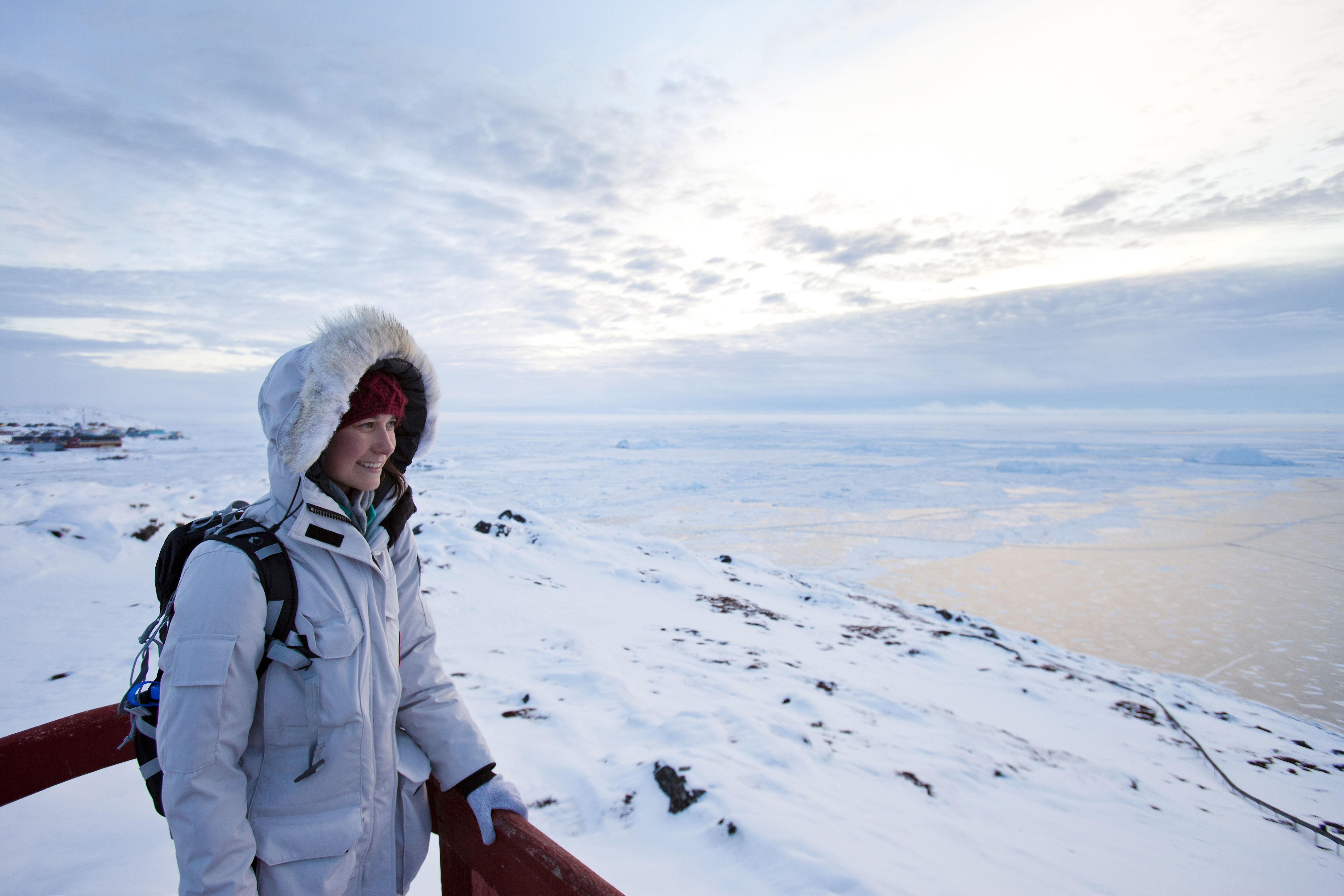
Mia Chemnitz, daughter of the founder of fashion brand Qiviut, explains how traditional ways of hunting have brought a return to Inuit fashion styles
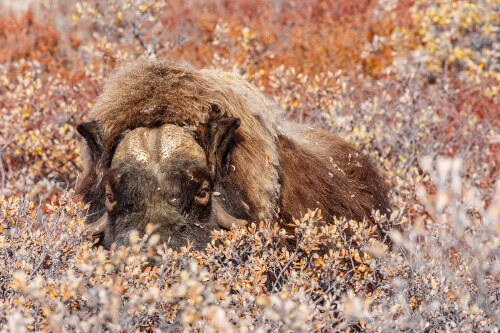
We mainly use two local materials in our clothing – musk ox wool and seal skin. We’re the world’s largest producer of musk ox wool but the musk ox was not originally native to Greenland. It crossed over the frozen sea ice from Canada a very long time ago. They travelled from the north of the country further down to the east coast. Then, in the 1960s, biologists from Denmark took 17 musk oxen from Ittoqqortoormiit on the west coast to Kangerlussuaq on the east coast. Today, that number has grown to 22,000 wild oxen, who know roam through our part of Greenland.
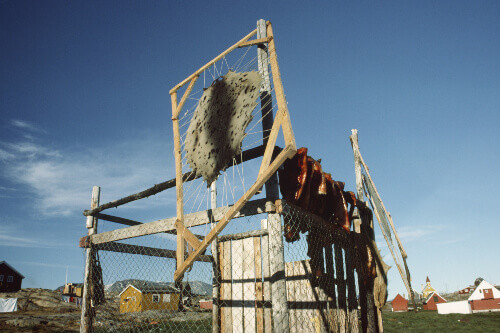
It is an ancient Inuit tradition to use the whole animal when you hunt it, to show it respect. We've always used the whole seal for instance. We eat the meat or use it for dog food, we use claws and bones for jewellery or tools, and we use the skin for clothing. The same goes for the reindeer.
As the musk ox was completely new to our local hunters, it took a while to work out how to hunt it most effectively. What size calibre was needed? Where it should be hit to ensure it stayed down? After the hunters found the best way to hunt the musk ox, Greenlanders realised the meat was very tasty but weren’t sure how to use the rest of the animal. At that time, we were living in Kangerlussuaq where the hunt takes place, and my mother Anita Høegh, noticed that the hides (skin) were just burned after the hunt. She couldn't bare how this went against Inuit tradition, so she set out to figure out a way to use them.
The wool was already known by the locals here, as musk ox wool that naturally sheds has been found in the mountains but no one had tried getting the wool off the hides. This proved to be very difficult, as musk ox wool is an inner wool, it's covered by long dark garment hairs and is very close to the skin. So developing a technique to get the wool off as cleanly as possible took many years. The process is now so efficient that we manage to get off almost half of our wool off the hides in a way that it doesn't even need further cleaning before it is spun. The spinning of the wool is the only part of the process that leaves our hands. It is usually done in Denmark or Germany. We get the yarn back in skeins, which we can dye and knit and make the finished products you find in our stores in Sisimiut and Nuuk, and online.
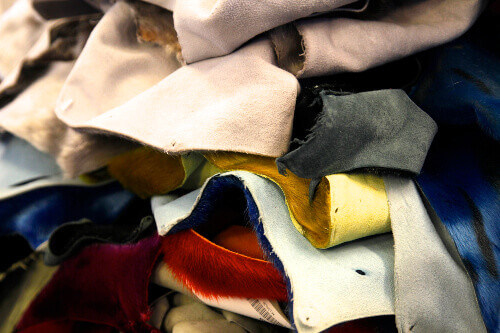
Musk ox wool is measured to be eight times warmer than sheep’s wool, making it one of the warmest natural fibres in the world. It is extremely lightweight, so it's ideal for people who enjoy being active in extreme weather conditions.
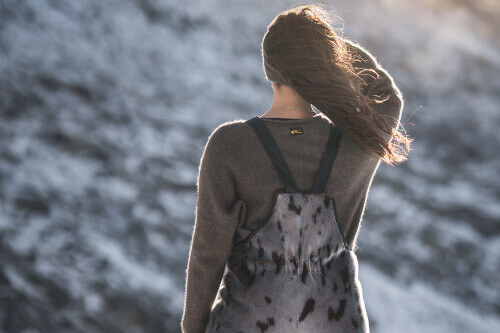
With our seal skin production, our goal has always been to make sealskin modern again. Just a few years back sealskin was out of style – even here in Greenland; the land of the seals. Only tourists and foreigners would wear seal. The items had become too heavy and too expensive so we're striving to achieve more flattering clothing and to make our styles more affordable and appeal to a younger audience.
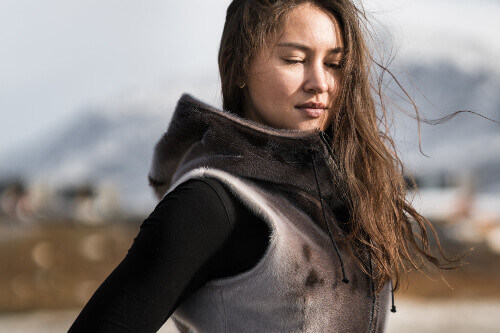
Today Greenlandic fashion is returning to its origins and there is a demand for fashionable looks featuring traditional styles and materials. People want to look Greenlandic and Inuit and there are more Greenlandic fashion brands doing a great job to full fill that desire.