
 New Zealand
 United States
 Canada

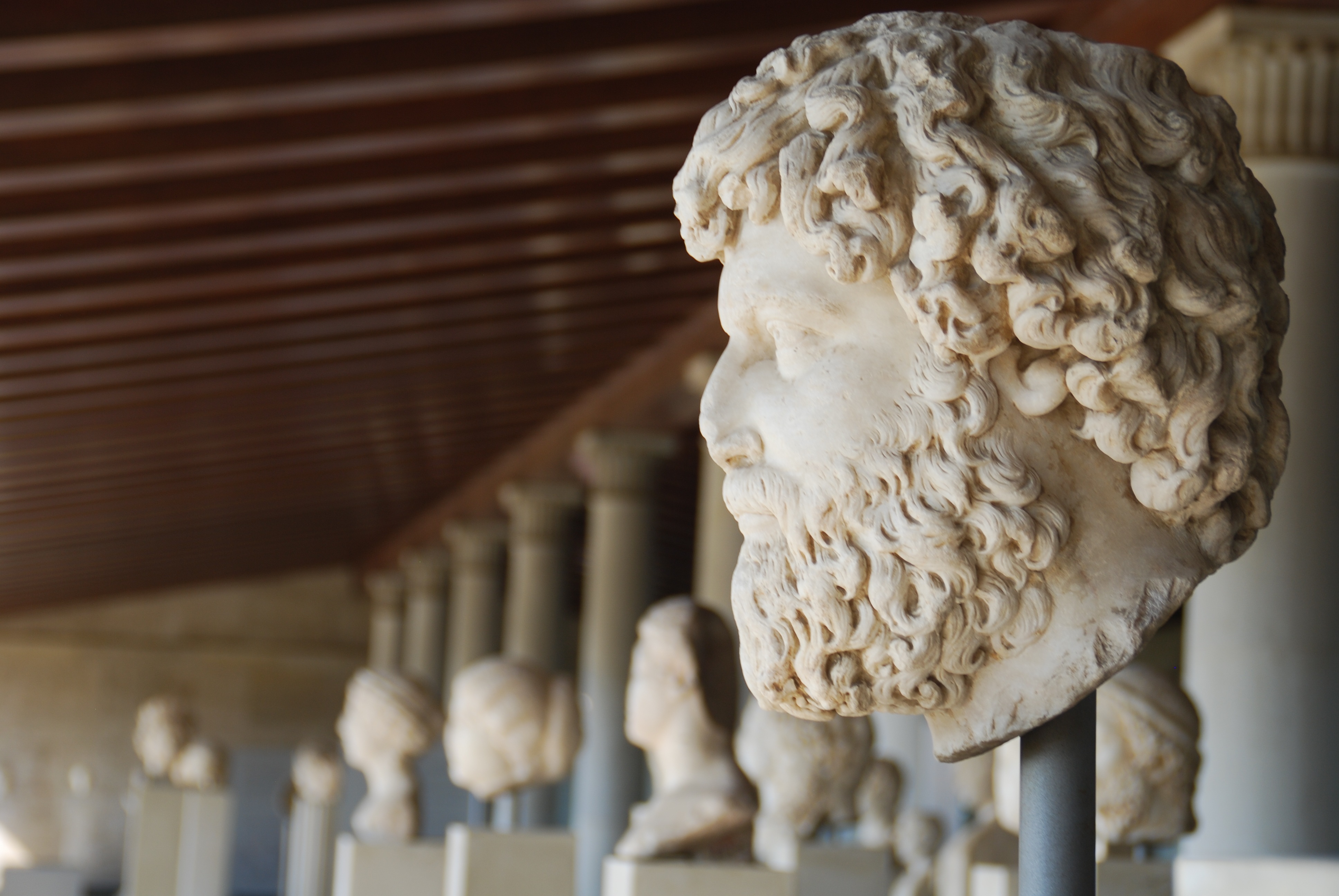
Cultural Athens blends ancient history with a dynamic modern arts scene, where world-class museums, street art and contemporary galleries sit side by side.
From archaeological treasures to open-air cinemas and emerging creative neighbourhoods, Athens offers one of Europe’s most layered cultural experiences.
Culture abounds in the Greek capital. The legacy of ancient civilisations is everywhere, yet it sits in vivid contrast with a visual arts scene that has become one of the most talked-about in Europe. Urban regeneration has improved infrastructure around the city's archaeological sites and established institutions, while nurturing a new generation of creatives bringing invention and energy to this ancient city.
Hit the streets
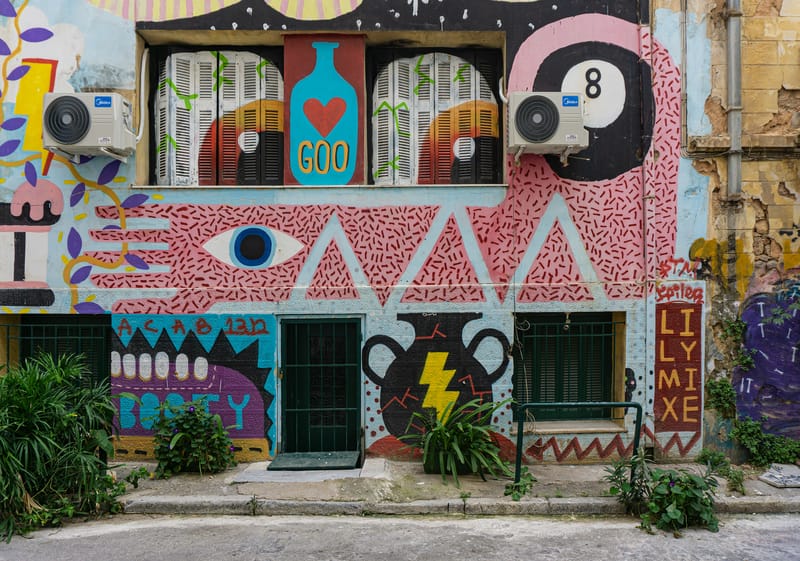
From large-scale murals that cover the sides of buildings to personalised tags on street signs, benches, and dumpsters, Athens is full of street art. Much of this open-air gallery is a city-wide platform for young artists to make social or political statements, but there's humour and joy to be found in it too.
Soak up the creative energy along Megalou Alexandrou in Metaxourgeio, explore the side streets of Monastiraki and Syntagma, and discover walls transformed into canvases in bohemian Exarheia. To see some of the best pieces, consider joining a walking tour with a local street artist.
The Athens street art scene has long outgrown its teenage graffiti roots. Artists like Cacao Rocks and Billy Gee have exhibited work in commercial spaces, with Billy Gee showing at the city's Bouziani Museum and the Onassis Foundation. It's a scene worth taking seriously.
Moonlit movies
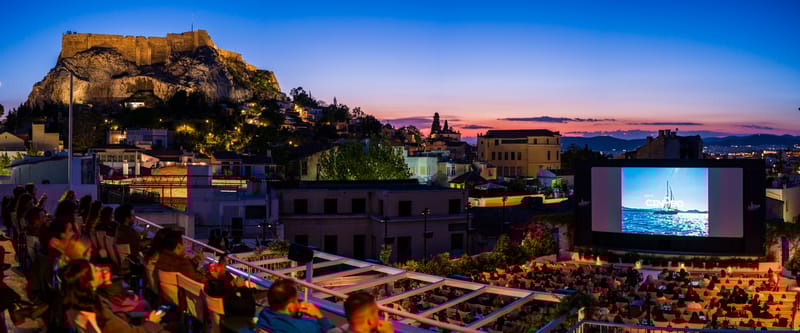
In the middle of summer, when daytime temperatures regularly push into the 30s, you'll want to shift toward evening activities. Athens has more than 60 open-air cinemas, and they're one of the city's great summer institutions. Most operate from May to late September, screening current and classic films in a genuinely relaxed atmosphere. Cine Paris, the beloved rooftop cinema in Plaka, sits in the shadow of the Acropolis and reopened in 2024 after extensive restoration. Cine Dexameni in Kolonaki, nestled at the foot of Lycabettus Hill, is another favourite, with a laidback neighbourhood feel. Films aren't dubbed and usually carry Greek subtitles, so check before booking. The Official Athens Guide has a full rundown of the city's best outdoor screens.
Underground art
A trip on the Athens Metro isn't just getting from A to B. Several stations double as galleries, displaying ancient artefacts and modern art in some of the most striking underground spaces in Europe.
Acropolis Station contains pottery and sculptures from the Parthenon era. Evangelismos is home to a modernist installation by Greek sculptor Chryssa, while Ambelokipi features dazzling neon work by Greek-American artist Stephen Antonakos. At Syntagma Station, a huge glass cabinet reveals a cross-section of the ancient city wall uncovered during excavation, alongside George Zongolopoulos' striking installation Atrium, a metallic dome filled with flying umbrellas. Other stations worth visiting include Egaleo, Monastiraki, and Omonia.
One-stop culture stop
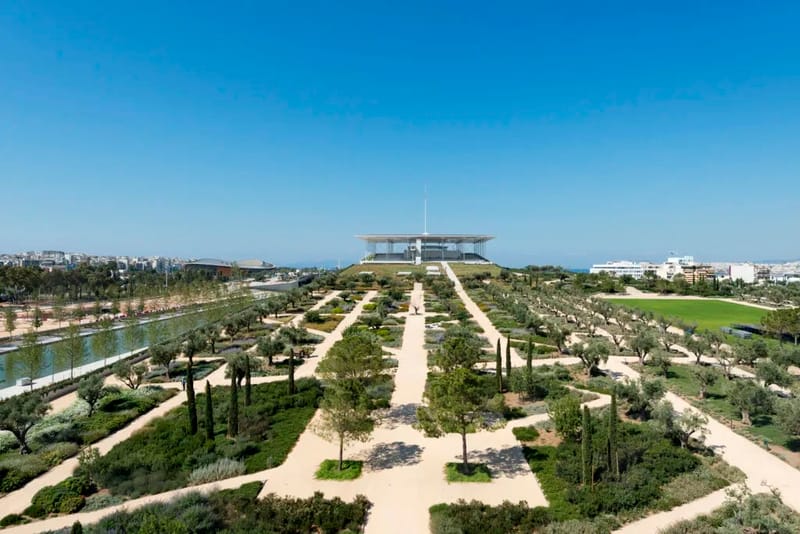
The Stavros Niarchos Foundation Cultural Centre is a must-see destination in Kallithea, 4 kilometres (2.5 miles) south of central Athens. Designed by architect Renzo Piano and completed in 2016, this landmark complex is home to the Greek National Opera and the National Library of Greece, as well as education, arts, and recreation facilities across 210,000 square metres (roughly 52 acres) of parkland. Head up to the glass-walled Lighthouse at the top of the building for panoramic views across the city and the Saronic Gulf.
Getting there is straightforward: a free shuttle bus runs between the centre and Syntagma Square, and the nearest tram stop is Tzitzifies, a 10-minute walk away.
Mosey along the museum mile
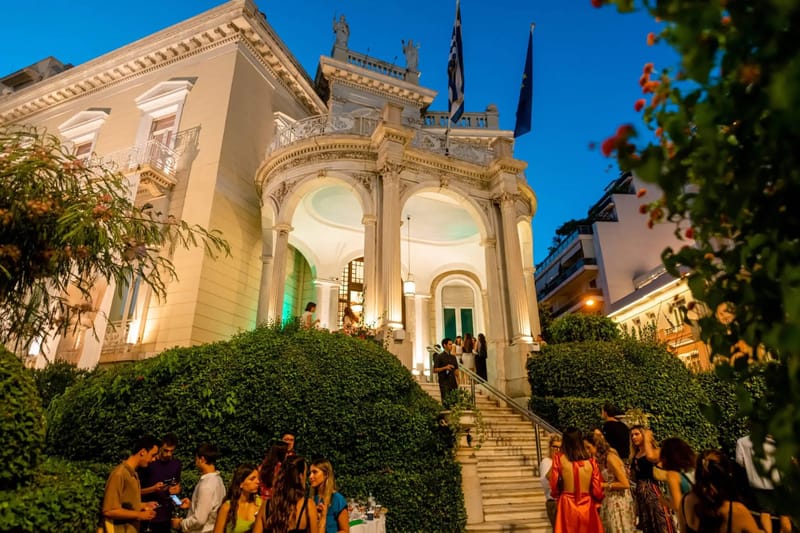
Vasilissis Sofias Avenue, Athens' so-called museum mile, packs a remarkable amount of cultural history into one leafy boulevard.
The Museum of Cycladic Art holds more than 3,000 pieces of Cycladic, ancient Greek, and Cypriot art, including works by contemporary artists. The Byzantine and Christian Museum is a trove of ecclesiastical art, including sacred icons, mosaics, manuscripts, and sculpture, all set within beautiful walled gardens. The Benaki Museum, housed in a gorgeous neoclassical building on Vasilissis Sofias Avenue, brings together Greek historical heirlooms, an important collection of Islamic art, and a vast photographic archive. It's an eclectic collection that rewards time.
The National Archaeological Museum on Patission Street, a short metro ride from the museum mile, is one of the world's great archaeology collections. Its 11,000-plus exhibits span nine millennia of Greek history, from prehistoric artefacts to classical sculpture. Further into the contemporary, the National Museum of Contemporary Art (EMST), housed in a converted 1960s brewery in Koukaki, is Greece's principal platform for post-1960 art, with a permanent collection that spans installation, video, and photography alongside major temporary exhibitions.
Athens' contemporary art scene
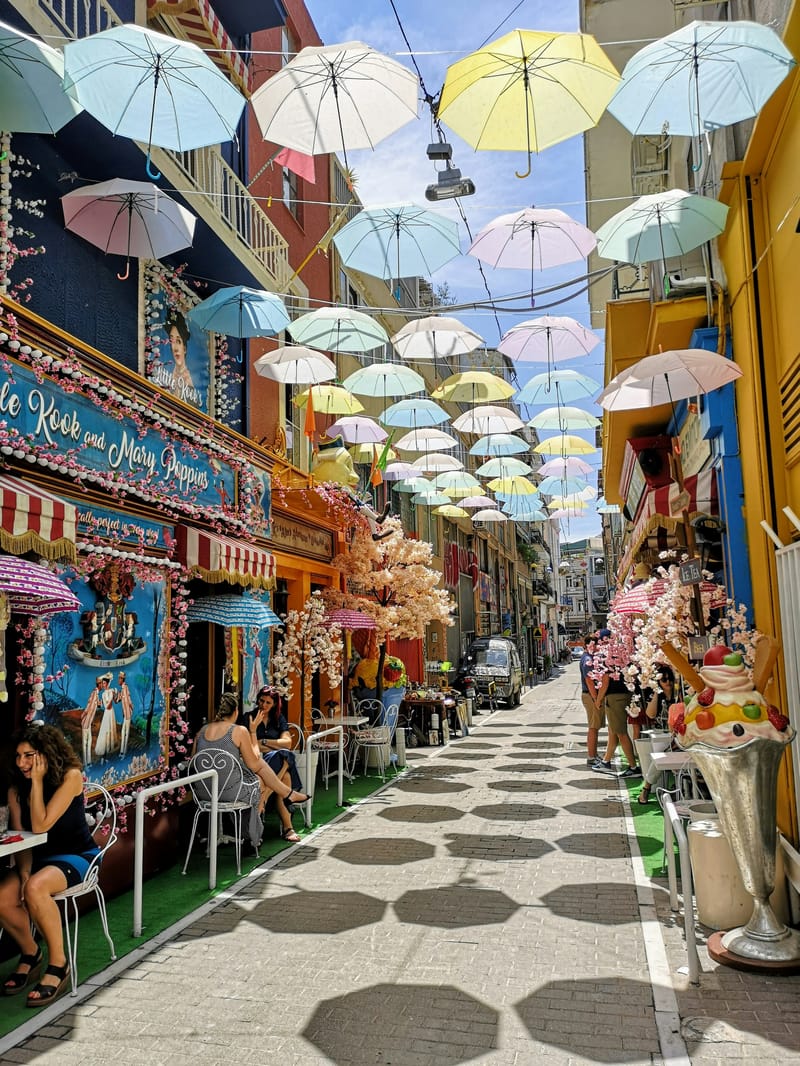
Athens has quietly built serious cultural clout over the past decade. A turning point came in 2017, when the city co-hosted Documenta 14, bringing international attention and a wave of new galleries. Today, the city attracts artists drawn by its creative energy and relatively affordable studio space.
The Breeder gallery in Metaxourgeio remains one of Athens' most exciting platforms for new contemporary artists, including Sofia Stevi and Alexandros Vasmoulakis. In Kolonaki, the Gagosian gallery occupies a stately neoclassical villa and shows work from its international roster. The Bernier/Eliades Gallery on Eptachalkou Street is another long-standing name worth knowing. In Pangrati, the Goulandris Foundation opened in 2019 across 11 floors of a stunning building, presenting Picasso, Van Gogh, Monet, and Cézanne alongside major Greek modern artists.
The port of Piraeus has also emerged as an unexpected gallery district, with spaces including Sylvia Kouvali's gallery operating out of a former warehouse. Elsewhere, keep an eye out for Aristeidis Lappas and his expansive colourful paintings, Chrysanthi Koumianaki's reimagined objects, and the geometric paper pattern work of Stratis Tavlaridis.
The annual Art Athina fair, held at the Zappeion in September, is a strong indicator of how far the city's art market has come since the post-crisis years.
Plan your visit
- Best time to visit: Spring (April to May) and autumn (September to October) offer pleasant temperatures and smaller crowds. Summer is hot, with temperatures regularly exceeding 30 degrees Celsius (86 degrees Fahrenheit). For a full seasonal breakdown, see when is the best time to visit Greece.
- Getting around: The Athens Metro is the easiest way to navigate the city. Many cultural sites are walkable from central stations. The Acropolis and Panathenaic Stadium are both easily reached by Metro from Syntagma.
- Entry costs: Most metro art is free to view. Museum admission fees vary. Check individual institution websites for current prices, as costs are subject to change.
Athens is just one piece of Greece's remarkable story. If you're planning to explore beyond the capital, our guide to the 10 Greek islands to visit is a great place to start.
Frequently asked questions about visiting Athens
Planning your time in Athens? These are some of the most common questions travellers ask.
What are the best museums to visit in Athens?
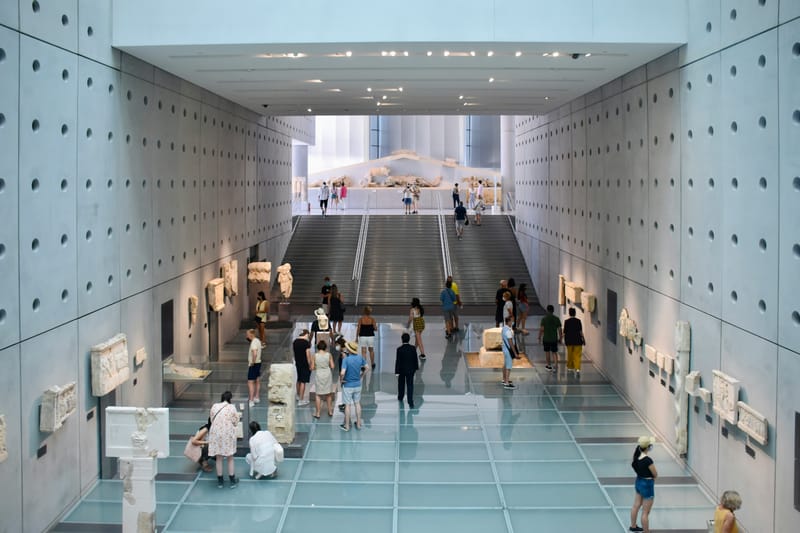
The best museums in Athens include the Acropolis Museum, the Museum of Cycladic Art, the Benaki Museum, the Byzantine and Christian Museum, the National Archaeological Museum, and the National Museum of Contemporary Art (EMST). The Acropolis Museum is the most visited, with extraordinary collections from the Parthenon and surrounding sites. The Museum of Cycladic Art, the Benaki Museum, and the Byzantine and Christian Museum are all located along Vasilissis Sofias Avenue, making it easy to visit several in a single day.
What is the museum mile in Athens?
The museum mile in Athens refers to Vasilissis Sofias Avenue, a leafy boulevard in the city centre that is home to several of Athens' most significant cultural institutions. Within walking distance of each other, you'll find the Museum of Cycladic Art, the Benaki Museum, the Byzantine and Christian Museum, and the Athens War Museum. The avenue runs from Syntagma Square toward Kolonaki and the Goulandris Foundation in Pangrati, making it the most concentrated stretch of cultural attractions in the city.
Is Athens good for contemporary art?
Athens is one of Europe's most active cities for contemporary art, with a scene that grew significantly after the city co-hosted Documenta 14 in 2017, which brought lasting international attention. The Breeder gallery in Metaxourgeio and Gagosian in Kolonaki are two anchor commercial spaces, while the Goulandris Foundation in Pangrati shows major international names alongside Greek artists. The National Museum of Contemporary Art (EMST) anchors the institutional side, and the annual Art Athina fair in September showcases the full breadth of what's happening across the city.
What is the best neighbourhood to see street art in Athens?
Exarheia is the best neighbourhood for street art in Athens, with politically charged murals and large-scale works covering many walls. Metaxourgeio is another strong area, particularly along Megalou Alexandrou. The streets around Monastiraki and Syntagma also offer plenty to discover. A guided street art tour with a local artist is a great way to get context alongside the visuals.
Are the Athens open-air cinemas worth visiting?
Yes, Athens' open-air cinemas are absolutely worth visiting and are one of the city's most distinctive summer experiences. Cine Paris in Plaka and Cine Dexameni in Kolonaki are two of the most atmospheric. Most cinemas operate from May to late September, screening films in their original language with Greek subtitles. Confirm the programme before you go, as screenings and schedules vary.
How far is the Stavros Niarchos Foundation Cultural Centre from central Athens?
The Stavros Niarchos Foundation Cultural Centre is 4 kilometres (2.5 miles) south of central Athens, in the suburb of Kallithea. It takes around 10 to 15 minutes by taxi from the city centre. A free shuttle bus runs between the centre and Syntagma Square, and the nearest tram stop is Tzitzifies, a 10-minute walk away.
Explore Greece with Inspiring Vacations
Athens is just the beginning. From the iconic ruins of the Peloponnese to the whitewashed villages of the Cyclades, Greece rewards every kind of explorer. Inspiring Vacations offers a range of small-group and private Greece tours, taking care of the details so you can focus on the experience. Browse our Greece tours and find the right itinerary for you.