
 Australia
 New Zealand
 Canada

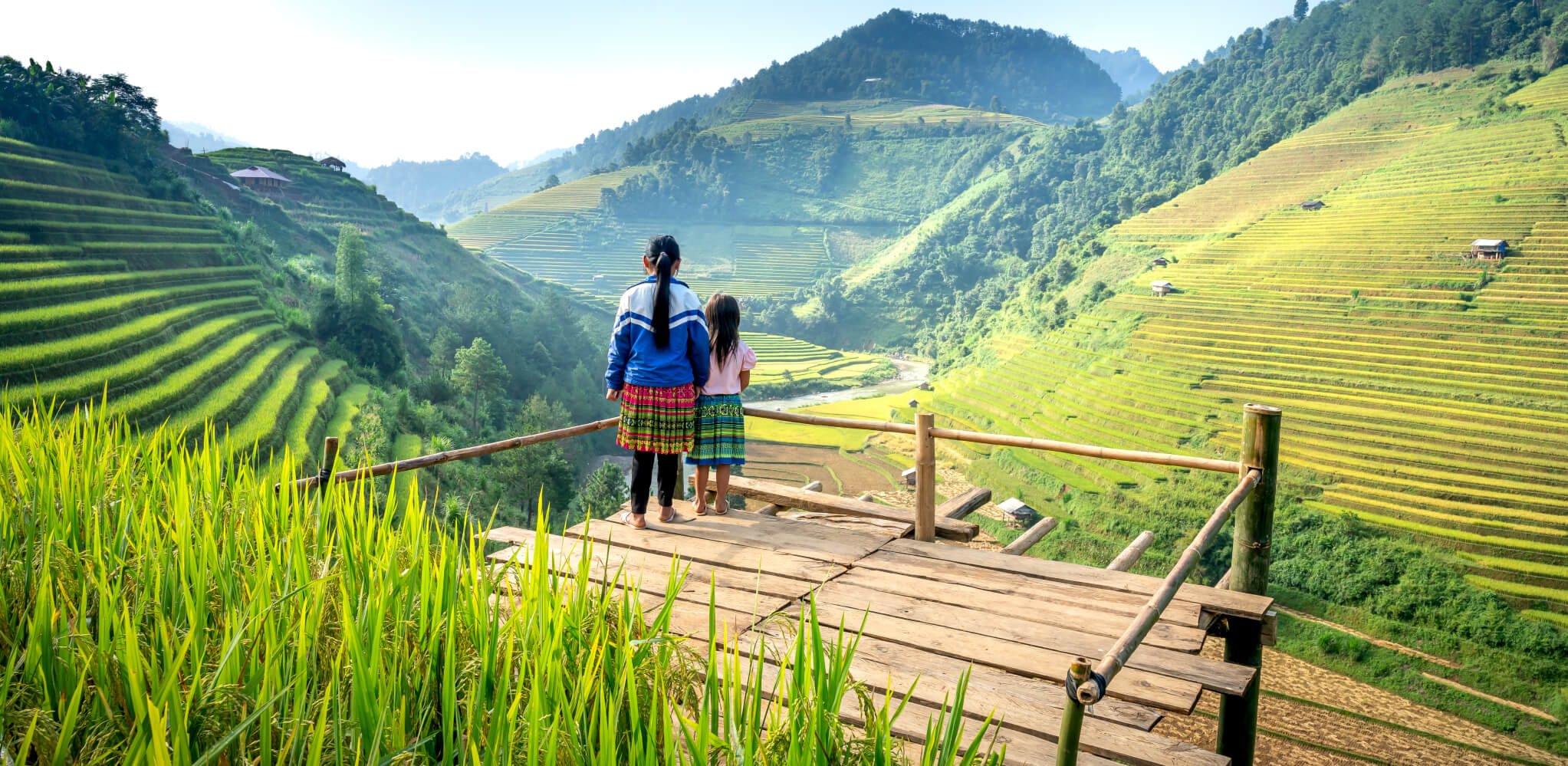
Vietnam’s landscapes stretch across three climatic zones and more than 3,260 kilometres (2,026 miles) of coastline, encompassing misty mountain ranges, UNESCO-listed cave systems, ancient rice terraces, and tropical islands in a single country.
For a relatively compact country, Vietnam offers one of the most diverse natural landscapes in Southeast Asia. From misty mountains to palm-fringed coastlines, vivid rice terraces to ancient caves, the scenery shifts dramatically as you travel north to south. Vietnam landscapes are a dream for travellers drawn to nature, photography, and the slow joy of soaking up a view.
Vietnam’s breathtaking mountains
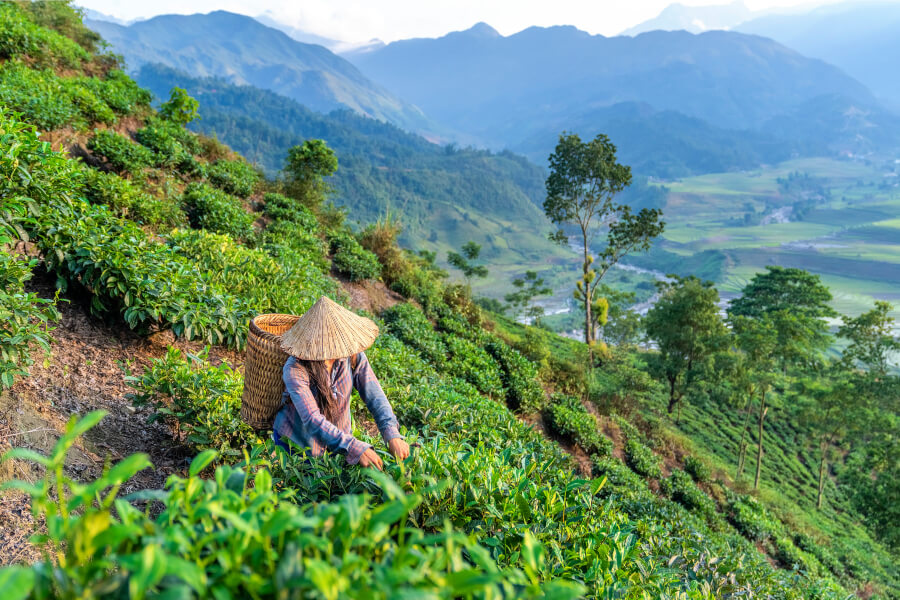
Vietnam's northern and central highlands encompass some of the most dramatic mountain scenery in Southeast Asia, from the rice terraces of Sapa and the towering peak of Fansipan at 3,143 metres (10,312 feet) to the cool pine forests of Da Lat and the remote valleys of the Central Highlands.
Vietnam’s highlands are where nature takes centre stage. Towering peaks, gushing waterfalls, and forested slopes dominate the landscape, particularly in the north and central regions.
One of the most spectacular areas is Sapa, nestled near the Chinese border. Here, dramatic rice terraces wrap around steep mountain faces, and local Hmong and Dao communities still farm the land by hand. On a clear day, the sunlight catches the terraces and creates a shimmering, postcard-perfect vista.
Further south, the Central Highlands stretch across the border with Laos and Cambodia. It’s a region of coffee plantations, longhouses, and remote hill towns like Da Lat, a former French hill station that still offers cool air and pine forests. Trekking here takes you through jungle-cloaked valleys and past waterfalls where few tourists venture.
Another standout is Fansipan, often called the Roof of Indochina. This towering peak near Sapa rises 3,143 metres (10,312 feet) above sea level and is reachable by a cable car, making the summit accessible without the multi-day trek. The ride itself is spectacular, gliding over deep valleys and thick forests before delivering you to a summit where the clouds roll over your feet.
The rice fields that shaped a nation
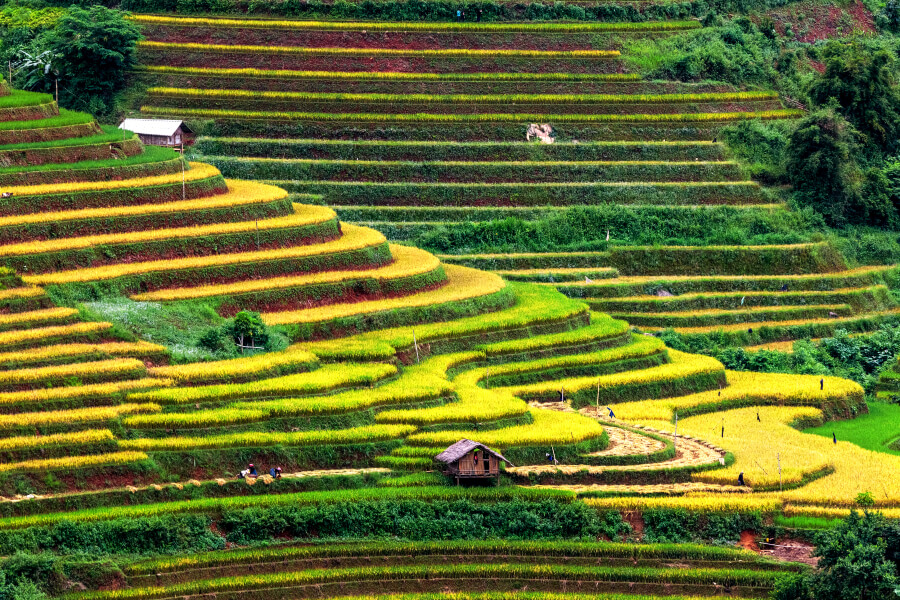
Vietnam's rice fields are among its most iconic landscapes, ranging from the mountainous cascading terraces of Sapa and Mu Cang Chai in the north to the flat, reflective paddies of the Mekong Delta in the south, and are best seen during harvest season between September and October.
Rice isn’t just a crop in Vietnam, it’s a way of life, and the country’s rice fields are among its most iconic landscapes. Depending on the region and time of year, you’ll find everything from neon-green young shoots to golden harvest-ready terraces.
Northern Vietnam is famous for its mountainous rice terraces, especially around Sapa and Mu Cang Chai. These cascading steps have been carved into steep hillsides over generations, creating a dramatic pattern that changes with the seasons.
If you're wondering where to see rice terraces in Vietnam, head to the northern provinces between September and October for the harvest season. The golden hue of ripe rice fields blanketing the hillsides is breathtaking.
In the south, rice fields flatten out across the Mekong Delta, a region of endless wetlands and water buffalo-dotted paddies. At sunrise or sunset, the reflective waters glow in shades of pink and gold, giving the whole scene an almost surreal beauty.
Waterfalls, wildlife and jungle escapes
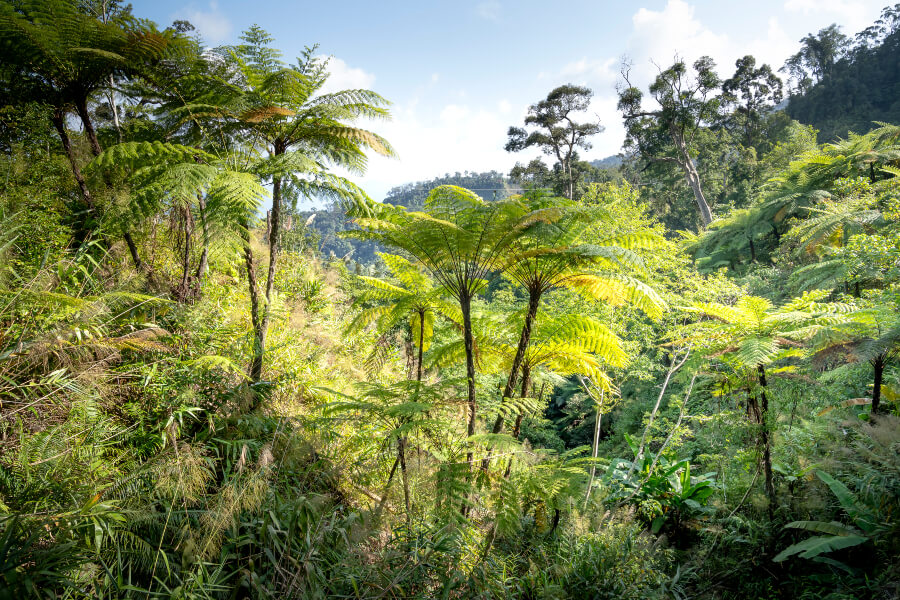
Vietnam's national parks and jungle reserves shelter remarkable biodiversity, including species found nowhere else on earth. The country has 34 national parks covering more than 10,000 square kilometres, many of which have faced environmental pressures in the past and are now carefully protected and recovering.
Vietnam’s tropical climate fuels lush jungles and biodiverse national parks, many of which are making a comeback after the devastation of war.
Cuc Phuong National Park, a few hours from Hanoi, is Vietnam’s oldest national park and a great place to spot langurs, civets and ancient trees wrapped in vines. In the south, Cat Tien National Park is home to elephants, crocodiles and endangered birdlife.
If you're interested in eco-tourism places in Vietnam, many of these parks offer nature trails, wildlife rescue centres and guided treks through diverse habitats.
Waterfalls are another highlight. Pongour Falls near Da Lat crashes down in terraced levels, while Ban Gioc Waterfall on the Chinese border is one of the largest and most photogenic in the country. Surrounded by jungle and rice fields, it's a picture-perfect destination for photographers and nature lovers.
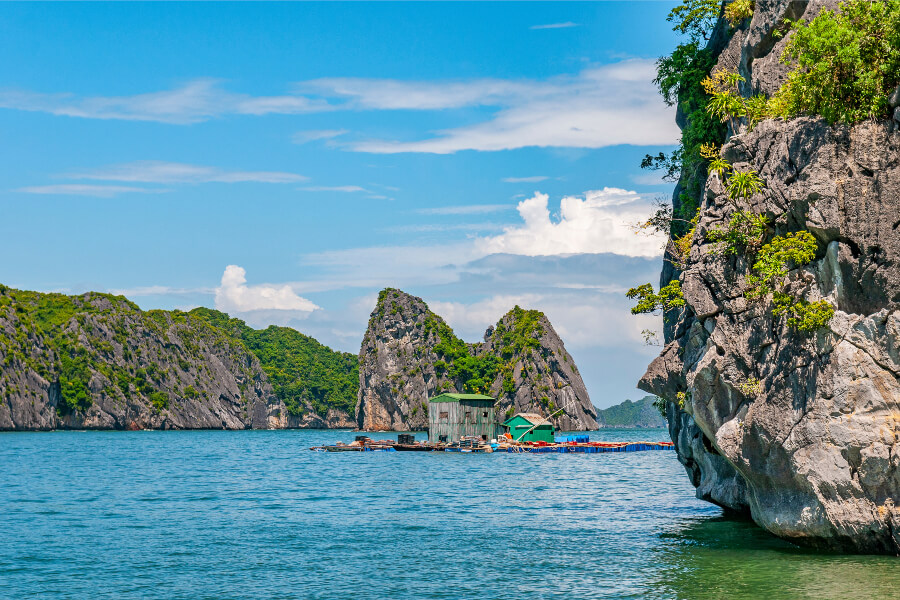
Coastal escapes and Vietnam’s best beaches
Vietnam's 3,260-kilometre (2,026-mile) coastline includes some of Southeast Asia's most diverse beach landscapes: pristine island bays in the south, dramatic cliff-backed coves in the centre, and bustling resort towns with easy access to snorkelling reefs and offshore islands.
Vietnam’s coast stretches for over 3,260 kilometres (2,026 miles), and it shows. Its most beautiful landscapes are often found where the jungle meets the sea, with hidden beaches, cave systems, and dramatic cliffs creating stunning natural backdrops.
In central Vietnam, Hoi An offers a balance of historic charm and beach relaxation. A short ride from the old town takes you to Cua Dai or An Bang Beach, both perfect for an afternoon swim or sunset cocktail.
Nha Trang, further south, is a lively coastal city with a lively coastal atmosphere, high-rise hotels, and a growing scuba diving scene. But head just north to Doc Let Beach for a quieter alternative, where you’ll find palm trees, turquoise water, and far fewer tourists.
For something more remote, Phu Quoc Island delivers the full tropical fantasy. Located off the southern tip of Vietnam, this island is known for its soft sand, snorkelling spots, and lush jungle interior.
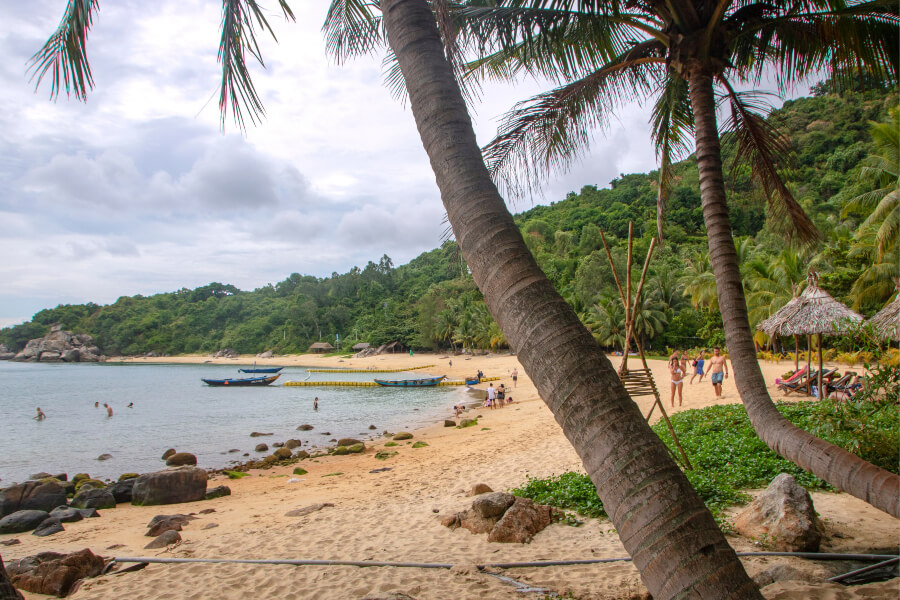 Tourists at the beach island of Cu Lao Cham, one of the main islands of Vietnam.
Caves and karsts: Vietnam’s underground wonders
Vietnam contains some of the world's most significant cave systems, including Son Doong Cave in Phong Nha-Ke Bang National Park, which is the largest known cave in the world by volume, stretching roughly 9 kilometres in length and tall enough to contain a 40-storey building inside its chambers.
Some of Vietnam’s most jaw-dropping landscapes are hidden beneath the surface. In the centre of the country lies Phong Nha-Ke Bang National Park, a UNESCO-listed park home to one of the largest cave systems in the world.
Phong Nha Caves and the nearby Son Doong Cave (the biggest known cave on the planet) attract adventurers from around the globe. Inside, you’ll find underground rivers, jungle ecosystems, and cathedral-sized chambers. Even a simple boat trip into Phong Nha Cave is enough to appreciate the scale of these geological wonders.
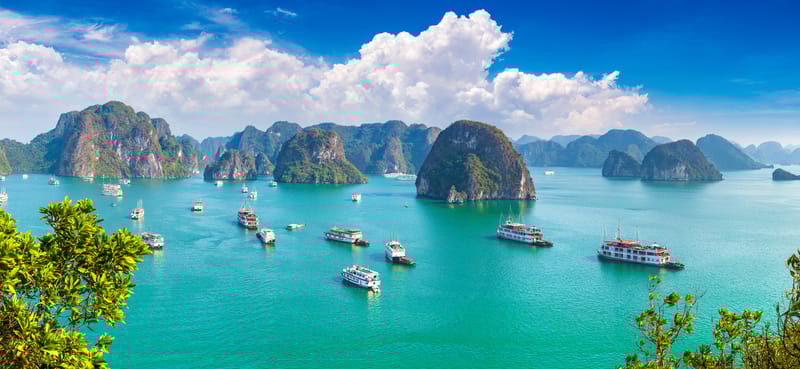
And of course, no cave or karst list would be complete without Ha Long Bay.
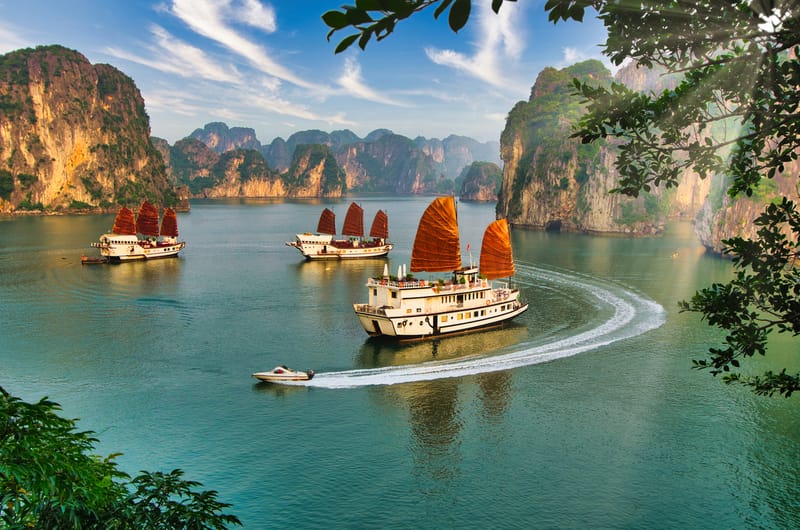
Located in the Gulf of Tonkin in northern Vietnam, Ha Long Bay spans 1,553 square kilometres (600 square miles) and is home to more than 1,969 limestone islands and islets. Many of these are untouched by humans, cloaked in jungle, and sculpted by centuries of wind and water. Travellers can explore the bay on traditional wooden junks or modern cruise boats, stopping off to kayak through sea caves, hike up lookout points, or swim in secluded lagoons.
Sunrise and sunset are particularly magical here, when mist clings to the cliffs and the light dances across the water. Ha Long Bay isn’t just a UNESCO World Heritage Site; it’s a natural wonder that captures the imagination of everyone who visits.
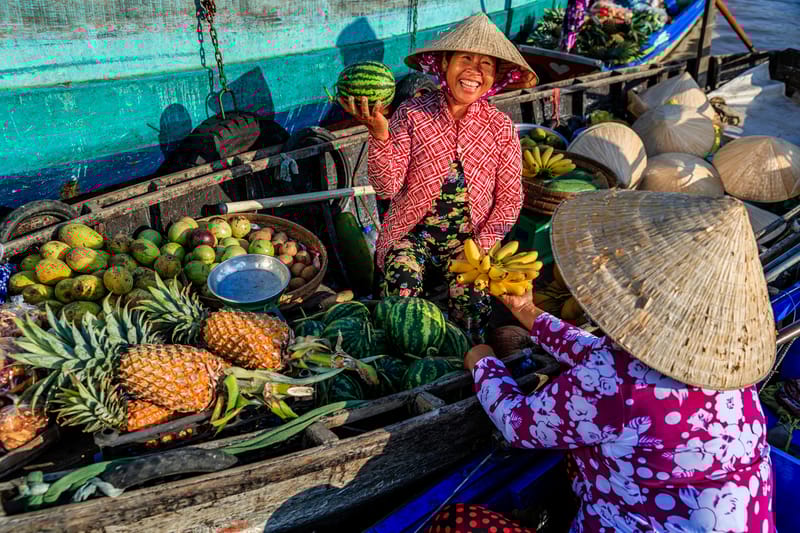
The magic of the Mekong Delta
The Mekong Delta in southern Vietnam is a network of rivers, canals, and wetlands covering around 40,500 square kilometres, home to more than 17 million people and one of the most productive agricultural regions in Southeast Asia, famous for its floating markets and river-based way of life.
In the far south, the Mekong Delta presents a different kind of scenery, more fluid, more fertile, and deeply tied to life on the water. Rivers branch out like veins, feeding a vast network of rice fields, fruit orchards, and floating markets.
This region is a haven for slow travel. Boat rides drift past stilt houses and mangroves, while the early morning markets at Cai Rang or Phong Dien offer a glimpse into Vietnam’s agricultural heartbeat. The Mekong’s beauty isn’t dramatic like Sapa or Phong Nha, but it’s rich in rhythm, colour, and quiet moments.
The delta is also a hub for nature-based travel in Vietnam, especially for those interested in seeing how communities live in harmony with their environment.
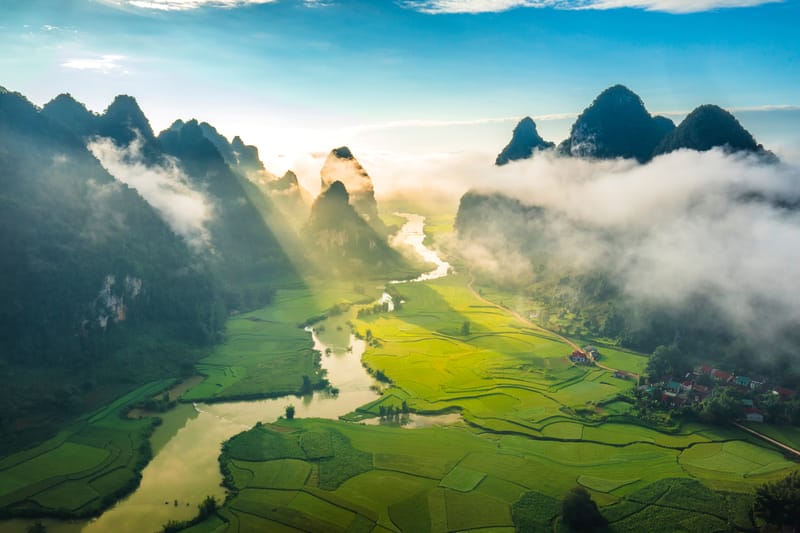
Scenic routes and outdoor adventures
Vietnam's scenic roads and hiking routes offer some of the most rewarding overland travel in Southeast Asia, from the legendary Hai Van Pass mountain road between Da Nang and Hue to the remote jungle trails of Ba Be National Park and the terraced valleys of Pu Luong Nature Reserve.
For those keen to explore independently or take the scenic route, Vietnam delivers in spades. The Hai Van Pass, a winding mountain road between Da Nang and Hue, is one of the country’s most famous drives. Expect ocean views, hairpin turns, and misty hilltops.
If you're looking for where to hike in Vietnam, head to Ba Be National Park for jungle trails and lake views, or the Pu Luong Nature Reserve, which offers off-the-beaten-track paths through terraced fields and bamboo forests.
These top nature destinations in Vietnam aren’t just beautiful. They also offer moments of stillness, connection and awe.
Planning your trip around nature in Vietnam
Here are some of our top tips for seeing the absolute best nature Vietnam has to offer.
When to visit for the best Vietnam scenery
Vietnam’s landscapes are spectacular year-round, but your experience can shift dramatically depending on when you go. If you want to see the northern rice terraces in full golden bloom, aim for September to early October. For beach holidays, the central coast (Hoi An, Da Nang, Nha Trang) is best visited between April and August, when rainfall is lowest and skies are clear.
-
September to October: best for golden rice terraces in Sapa and Mu Cang Chai; harvest season light is spectacular
-
April to August: ideal for the central coast (Hoi An, Da Nang, Nha Trang); lowest rainfall, clearest skies
-
November to February: cool in the northern highlands (Sapa, Ha Giang); comfortable for cave exploration in Phong Nha
-
Year-round: the Mekong Delta and southern national parks stay warm and accessible in all seasons
Nature lovers heading for national parks and mountains should pack for all conditions. Northern highland areas like Sapa and Ha Giang can be cool or even cold, especially from November to February. Southern parks and the Mekong Delta stay warm and humid year-round, so light, breathable clothing is essential.
Keep in mind that many of Vietnam’s most scenic regions are best enjoyed with the help of local guides. Not only can they help you navigate challenging terrain, they also offer insight into the cultural and ecological significance of the places you visit.
If you want to focus on Vietnam’s natural highlights, look for itineraries that include free days in rural areas or optional excursions to national parks, waterfalls or cave systems. The country is rich in biodiversity and brimming with lesser-known gems. You just need a bit of time and curiosity to find them.
For those seeking expert guidance and a seamless travel experience, Inspiring Vacations offers a variety of Vietnam tours that take in the country’s best landscapes. With local insight and carefully curated itineraries, you’ll be able to experience Vietnam’s natural beauty without the stress of planning.
Must-see landscapes of Vietnam for photographers
Photographers are spoiled for choice in Vietnam. You’ll find scenes worthy of a postcard around every corner, but some places are particularly special:
-
Mu Cang Chai: golden rice terraces in harvest season
-
Ha Giang Loop: jaw-dropping mountain passes and remote villages
-
Lan Ha Bay: the quieter, less-touristy cousin of Ha Long Bay
-
Tam Coc: limestone outcrops and river scenes often called "Ha Long Bay on land"
-
Da Lat: pine forests, misty lakes, and flower gardens
Each region offers different light, colour, and atmosphere, making Vietnam a country that constantly surprises through the lens.
Frequently asked questions about Vietnam’s landscapes
Planning your trip through Vietnam’s landscapes? Here are some of the most common questions travellers ask before they go.
What are the most beautiful landscapes in Vietnam?
Vietnam's most celebrated landscapes include the rice terraces of Sapa and Mu Cang Chai, the limestone karsts of Ha Long Bay, the cave systems of Phong Nha-Ke Bang National Park, the waterfalls and jungle of the Central Highlands, and the waterways of the Mekong Delta. Each region offers a completely different natural experience, making Vietnam one of the most diverse countries in Southeast Asia for nature travel.
When is the best time to see Vietnam's rice terraces?
The best time to see Vietnam's rice terraces is September to early October, when the fields are golden and ready for harvest. Sapa and Mu Cang Chai in the north are the most famous locations. For green terraces, visit between May and June when the paddies are newly planted. The terraces change dramatically with the seasons, so the timing of your visit shapes the experience significantly.
Is Ha Long Bay worth visiting?
Yes. Ha Long Bay is consistently ranked among the world's most spectacular natural destinations and is Vietnam's most visited UNESCO World Heritage Site. The bay's 1,969 limestone islands rise dramatically from emerald water, with hidden lagoons, sea caves, and floating villages to explore. An overnight or multi-day cruise offers the best experience, giving you time to kayak, swim, and watch the sunrise over the karsts.
What national parks should I visit in Vietnam?
Phong Nha-Ke Bang National Park is a must for cave enthusiasts and is home to the world's largest cave, Son Doong. Cuc Phuong, near Hanoi, is Vietnam's oldest national park and excellent for wildlife and ancient trees. Cat Tien National Park in the south shelters elephants, crocodiles, and rare birdlife. Ba Be National Park in the north combines lake scenery, jungle, and limestone peaks. Each park supports a different ecosystem and level of accessibility.
How long do I need to see Vietnam's landscapes?
At minimum, two weeks gives you enough time to experience the north's mountains and rice terraces, the central coast's beaches and caves, and the south's Mekong Delta. A three-week itinerary allows you to go deeper: add Ha Giang, overnight cruises on Ha Long Bay, and time in national parks. Vietnam rewards slow travel, and the landscapes are best absorbed with unhurried time to explore each region.
Inspired to explore the landscapes of Vietnam?
From jungle-clad mountains to vast deltas, underground caves to coastal hideaways, Vietnam offers scenery that surprises at every turn. It's a land made for nature lovers and curious travellers alike.
Ready to see it for yourself? Explore our range of Vietnam tours, such as the Private 5 Star Vietnam tour or the 5 Star Memoirs of Vietnam & Cambodia Premium Small Group tour and find the perfect trip to experience the most stunning landscapes in Vietnam.