
 Australia
 United States
 Canada

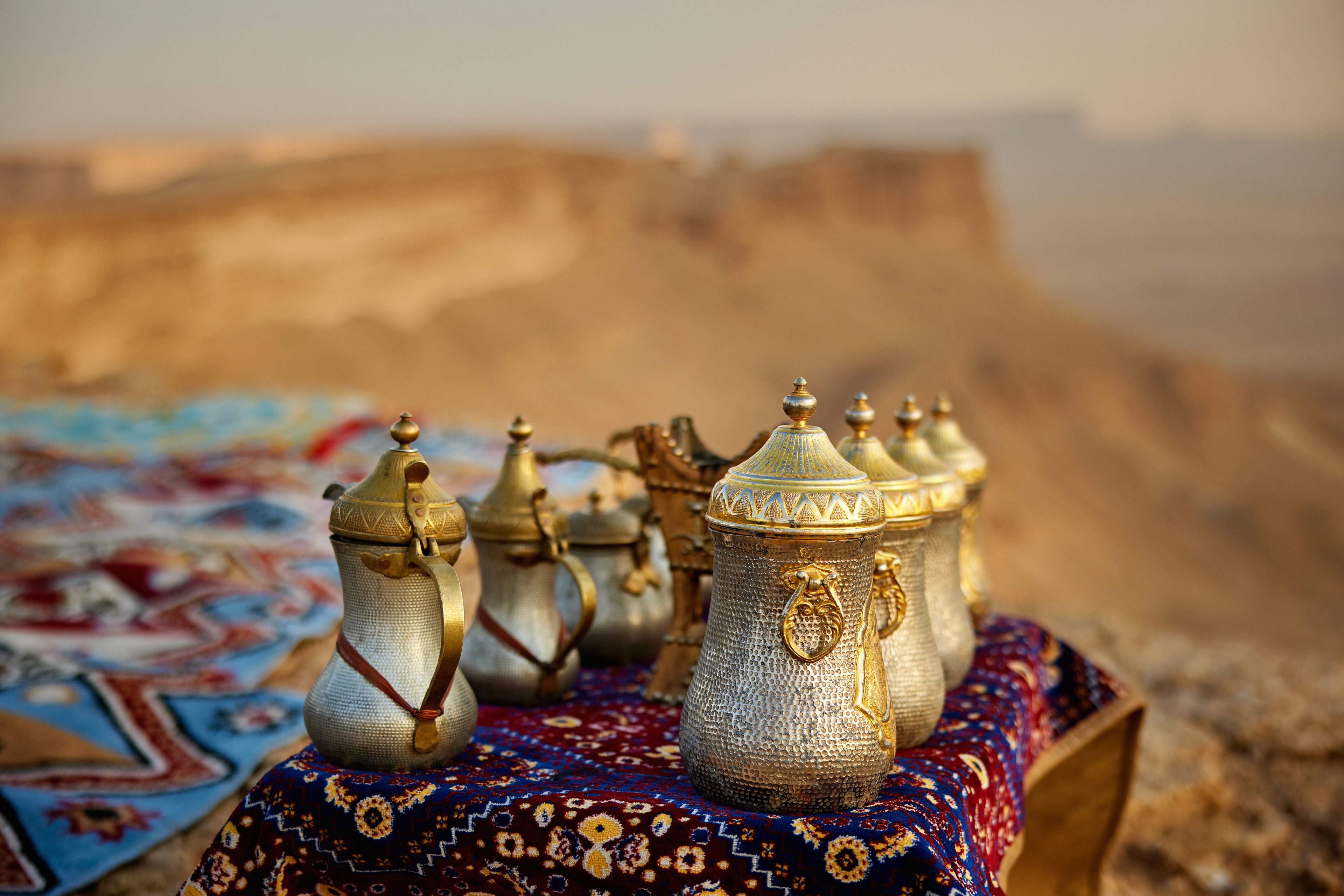
Saudi Arabia cuisine is built on fragrant rice dishes, slow-cooked meats, dates, and Arabic coffee rituals shaped by Bedouin traditions and centuries of spice trade influence. From kabsa and mandi to regional specialities in Najd, Hejaz, and the southern highlands, food in the Kingdom reflects both desert survival and cultural exchange. Hospitality sits at the heart of every meal, making dining one of the most meaningful ways to experience Saudi Arabia.
Picture a brass platter the size of a coffee table, piled with saffron-stained rice and slow-cooked lamb, set down on the floor of a carpeted room where everyone eats with their hands. That’s a regular Tuesday lunch in Saudi Arabia, and it tells you something important about how this country thinks about food. If you want to understand the Kingdom, the table is the best place to start.
This guide covers the dishes you’ll eat, the customs worth knowing before you sit down, and how the food changes as you move from the Red Sea coast to the desert interior. Explore our Saudi Arabia tours to see how these culinary traditions fit into a guided itinerary.
The history behind Saudi Arabia cuisine
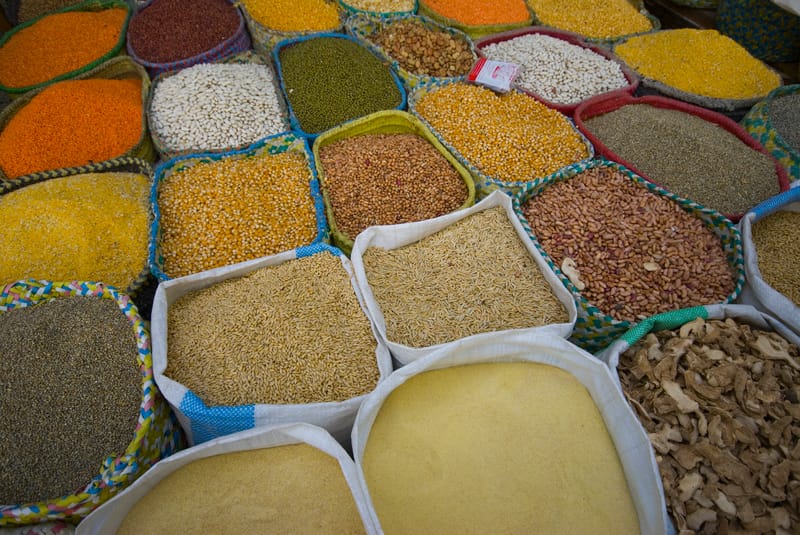
Saudi Arabia’s cuisine history begins in the desert, where Bedouin communities relied on practical, sustaining ingredients. These tribes moved with their herds across the peninsula, and their cooking reflected what they carried: dates, camel milk, flatbread baked on hot stones, and whatever could be hunted or slaughtered along the way. It was functional food, built for survival in extreme heat with no refrigeration and no permanent kitchen.
What transformed that simplicity into the rich culinary tradition you’ll taste today was the spice trade. The Arabian Peninsula sat directly on the ancient Incense Route connecting East Africa, India, and the Mediterranean, and the cardamom, cinnamon, cloves, turmeric, saffron, and black lime that arrived through ports like Jeddah didn’t just pass through. Over centuries, those traded spices fused with Bedouin simplicity to create something entirely new. By the time the Kingdom unified in 1932, Saudi Arabia cuisine had already absorbed layers of Yemeni, Persian, Indian, and Levantine influence, all built on that desert foundation.
That heritage is now being formally protected. In 2021, the Saudi Ministry of Culture launched a national initiative to safeguard traditional dishes, including kabsa, as part of the Kingdom’s cultural identity under Vision 2030. It’s a signal that Saudi Arabian culture cuisine is treated not as nostalgia, but as living national heritage.
Signature dishes to try in Saudi Arabia
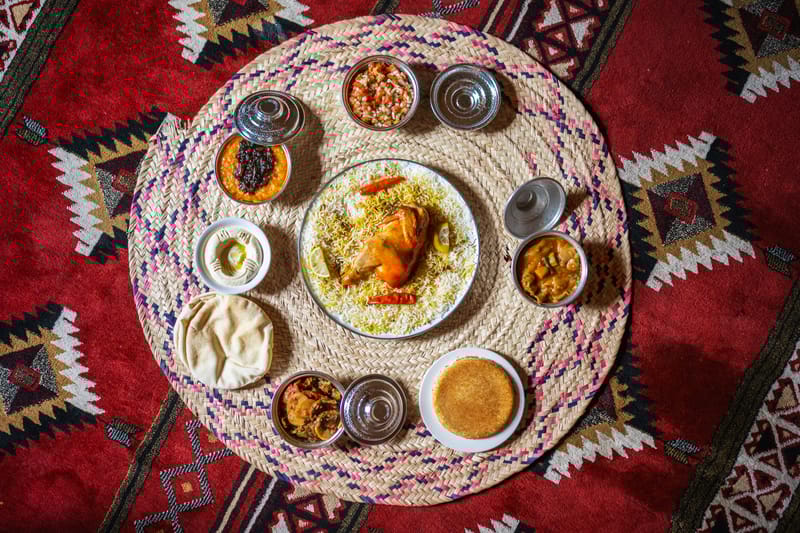
The best way to understand the cuisine in Saudi Arabia is to eat your way through it. A few things worth knowing before you do: Saudi spice is about fragrance and warmth rather than heat, with cardamom, cinnamon, and saffron doing most of the heavy lifting. And meals here are almost always communal, served on platters big enough to feed a small crowd.
Kabsa
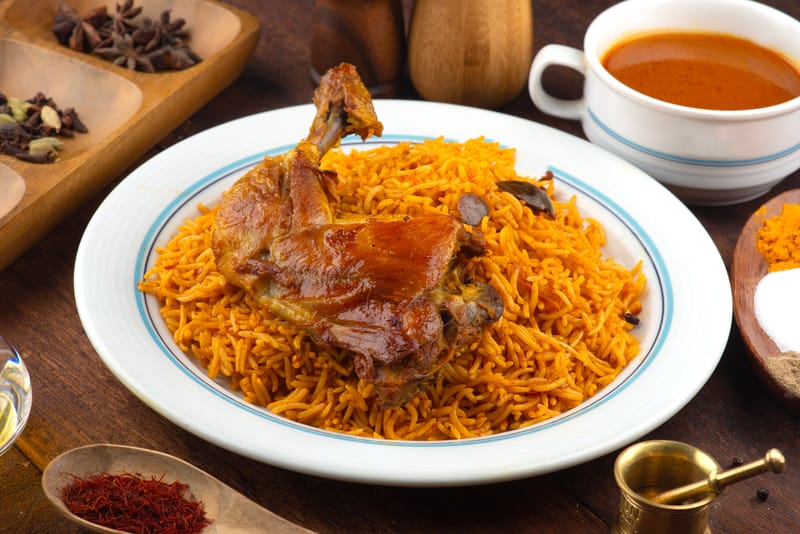
If Saudi Arabia had a national dish on a passport, it would be kabsa. Long-grain basmati rice, cooked low and slow in a broth of chicken or lamb with cardamom, cinnamon, black lime, cloves, and saffron until the grains turn golden and absorb every layer of flavour. It arrives on a platter the size of a small table, topped with toasted almonds and raisins, with a side of daqqus (a fresh tomato and chilli sauce) for dipping. Kabsa shows up at everyday family lunches, Eid celebrations, and wedding feasts. It’s the dish that says: you’re welcome here, sit down, eat.
Mandi
Where kabsa simmers in a pot, mandi goes underground. Whole lamb or chicken is lowered into a tannour, an earth-pit oven, and slow-cooked over smouldering coals until the meat is fall-apart tender with a deep, smoky char you can’t replicate any other way. The rice cooks separately but absorbs the same smoke. Originally Yemeni, mandi has been embraced across the Kingdom and is the centrepiece of large gatherings, the kind of dish where the host has been cooking since dawn.
Mutabbaq
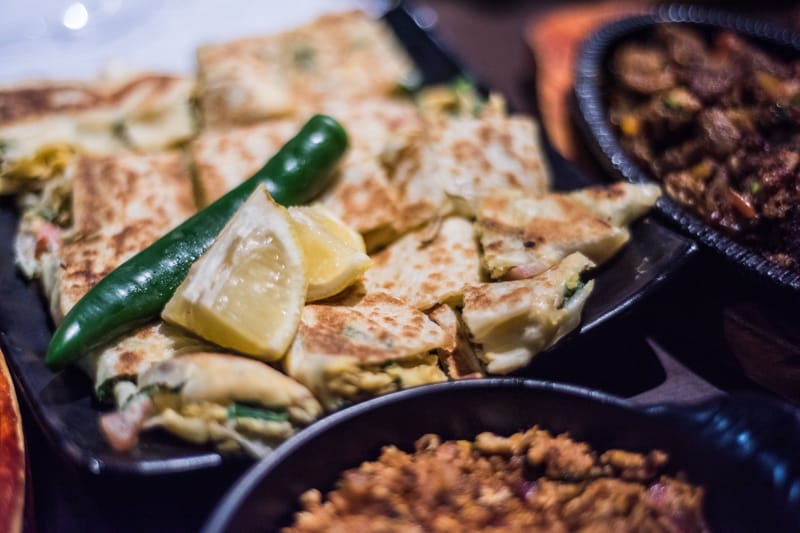
For pure street food satisfaction, mutabbaq is hard to beat. A thin sheet of dough is stuffed with spiced minced meat, onions, and egg, folded into a parcel, and pan-fried until shattering-crisp on the outside and savoury-soft within. You’ll find it at roadside stalls and hole-in-the-wall restaurants across the country, served with a tangy dipping sauce and eaten with your hands, often standing up. It’s cheap, fast, and one of those dishes that stays with you long after the last bite.
Jareesh
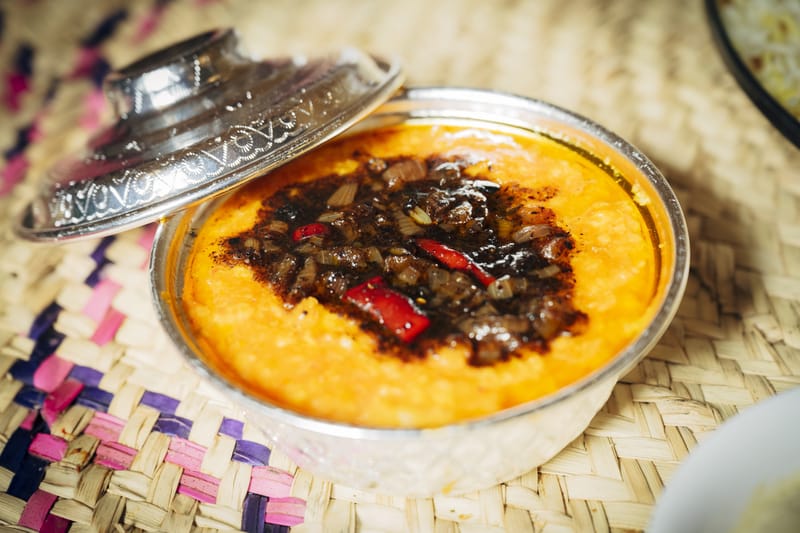
Jareesh rewards patience. Cracked wheat is cooked with chicken or lamb for hours until it breaks down into something thick, savoury, and deeply comforting, sitting somewhere between a porridge and a risotto. It comes from the Najd region, the central heartland around Riyadh, and it’s the kind of dish grandmothers are famous for. In 2023, it was officially declared a national dish of Saudi Arabia, a recognition of how deeply it runs through the culture.
Saleeg
If kabsa is bold, saleeg is gentle. Short-grain rice is simmered in milk and chicken broth until it turns creamy and soft, almost like a savoury porridge, then topped with roasted chicken. It originates from the Hejaz region along the western coast, around Jeddah and Mecca, and it’s the dish travellers often fall for unexpectedly. Mild, warming, and completely unlike anything else on the Saudi table.
Harees
Similar to jareesh but smoother, harees blends wheat and meat that are slow-cooked and mashed together into a silky, porridge-like consistency. It’s especially popular during Ramadan, when it’s served at iftar (the evening meal that breaks the fast) because it’s filling, easy to digest, and gentle on a stomach that’s been empty since sunrise.
Dates
No guide to Saudi Arabian cuisine would be complete without them. The Kingdom is one of the world’s largest date producers, and they’re everywhere: at breakfast, after dinner, at every coffee ceremony, and pressed into the hands of guests before they’ve even sat down. Medjool, Ajwa, Sukkari, Safawi. Each variety has its own texture and sweetness, and Saudis take their dates as seriously as the French take cheese. The date markets of Medina are worth an hour of your time, at minimum.
Regional differences in cuisine in Saudi Arabia
Saudi Arabia covers roughly 2.15 million square kilometres, and the cuisine shifts noticeably between regions.
Najd (Riyadh and the central plateau)
The Bedouin heartland. Bold, hearty cooking built around meat and grain, with kabsa and jareesh at the centre of most tables. Flavours lean on cinnamon, cardamom, and dried lime, with very little seafood or fresh produce.
Hejaz (Jeddah, Mecca, and Medina)
The most cosmopolitan table in the country, shaped by centuries of pilgrims and traders from across Asia, Africa, and the Middle East. Saleeg, ruz bukhari, a wide range of breads and bean dishes. Lighter, more varied, and best explored in Jeddah's Al Balad historic quarter.
The south (Asir and Jazan)
Bordering Yemen, the southern highlands bring honey-drizzled flatbreads, aseedah, and a much heavier hand with chilli and fenugreek. This is also where Saudi Arabia's prized Khawlani coffee beans are grown on terraced mountain farms above Jazan.

The eastern coast (Dammam and Al Ahsa)
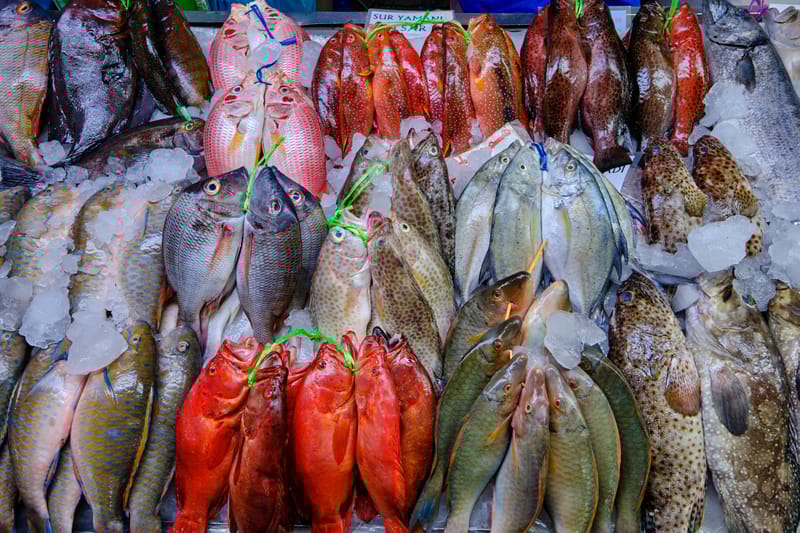
Fresh seafood takes centre stage—grilled hammour, shrimp machbous, and sayadieh. The flavour profile shares notes with Bahraini and Kuwaiti cooking, with a distinctive sweetness from dried lime and loomi.
Tasting these contrasts firsthand is one of the most rewarding parts of a Middle East journey. A well-designed itinerary moves you through multiple regions, so you experience how the landscape literally changes the flavour of what’s on your plate.
Saudi Arabia culture, cuisine, and hospitality traditions
In Saudi Arabia, food and hospitality are inseparable. A few key customs are worth knowing before you sit down.
The Arabic coffee ceremony
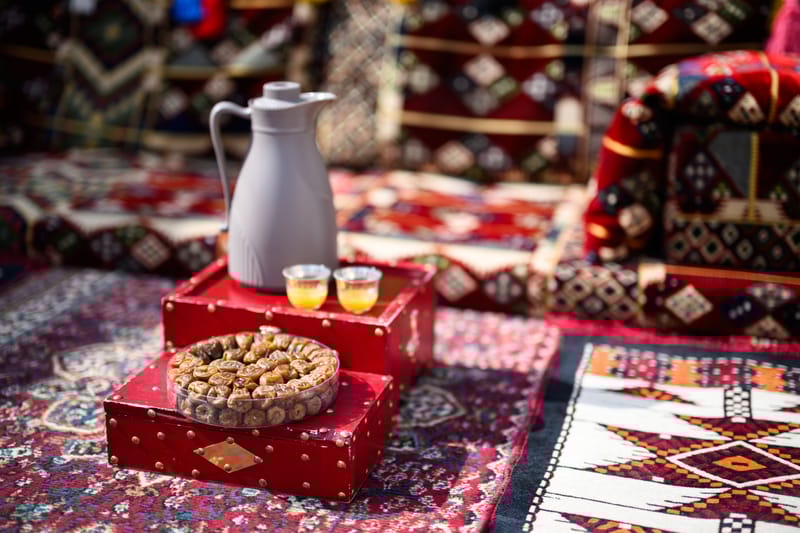
Arabic coffee (gahwa) was inscribed on UNESCO's Intangible Cultural Heritage list in 2015. Lightly roasted beans are brewed with cardamom and sometimes saffron, then poured from an ornate dallah (long-spouted pot) into small handleless finjans. Key customs include:
-
Accept at least one cup when offered
-
Gently shake the cup side to side to signal you've had enough
-
Dates are always served alongside
The whole ritual takes barely three minutes but sits at the heart of Saudi social life.
Communal dining
Traditional Saudi meals arrive on a single large platter set on the floor or a low table, with no individual plates. Everyone sits cross-legged, eats with their right hand, and takes from the section nearest to them. On guided tours, you'll often experience this at a traditional restaurant or during a Bedouin-style desert dinner.
The art of too much food
Saudi hosts intentionally serve more food than you could possibly eat. Abundance is a cultural expression of generosity, and it's considered impolite to serve only enough. A warm "shukran" (thank you) and an appreciative lean-back are all you need to signal you're done.
What travellers can expect when exploring Saudi Arabia cuisine food

On a guided tour, food is built into the itinerary and your dedicated local guide is there to translate menus, explain customs, and steer you towards the dishes worth trying. Here's what a typical tour includes:
-
Hotel breakfasts and group lunches at local restaurants, with free evenings to explore independently
-
City dining in Riyadh and Jeddah ranging from traditional floor-seating restaurants with communal platters to rooftop terraces with Red Sea views
-
Curated meals in AlUla at heritage venues or under open skies in desert camps
-
Souk visits where your guide names every spice in the baskets and explains which ones go into which dish—Jeddah's Al Balad district and Medina's date markets are highlights
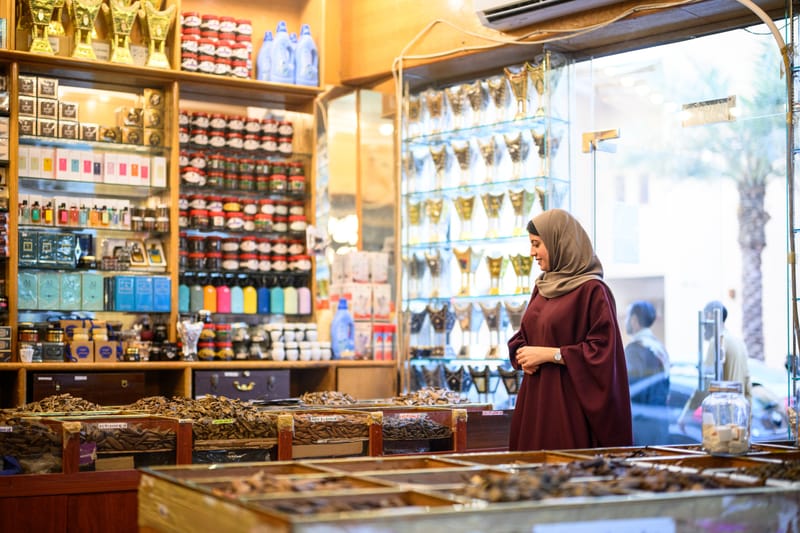
Saudi Arabia welcomed a record 116 million tourists in 2024, and the hospitality infrastructure has expanded to match. English menus are common in cities, dietary accommodations are increasingly standard, and restaurant culture is booming.
Modern dining in Saudi Arabia
The modern restaurant scene in Saudi Arabia may surprise you. Riyadh and Jeddah have undergone a culinary boom, and the quality is genuinely impressive.
-
Riyadh: Tahlia Street and the King Abdullah Financial District offer everything from upscale Saudi fusion to Japanese and Italian
-
Jeddah: Seafood restaurants line the waterfront Corniche, while the Al Balad historic quarter hosts contemporary cafés and tasting-menu restaurants in restored coral-stone buildings
-
Coffee: A new generation of Saudi roasters and baristas is building a world-class third-wave scene alongside traditional gahwa, with cafés in both cities serving single-origin Khawlani beans grown in the Jazan highlands
Tips for enjoying Saudi Arabia food as a visitor

Here are some practical tips for enjoying Saudi Arabia cuisine as a first-time visitor.
Pace yourself at lunch. Lunch is the main meal of the day in Saudi Arabia and where you'll encounter the most elaborate spreads. Evening meals tend to be lighter, so the midday platter is where you'll want to bring your appetite.
The spice is warm, not fiery. Saudi food uses a generous amount of spice for fragrance and depth rather than heat. If you can handle a mild curry, you'll be comfortable with almost everything on the table. The southern regions near Yemen dial up the chilli, but even there it's warmth rather than fire.
Eat with your right hand. If you're eating a communal meal in a traditional setting, use your right hand. Cutlery is available at most restaurants, but joining in the local custom is part of the experience and a small gesture that goes a long way with your hosts.
Dietary requirements are manageable. All meat is halal, and the cuisine naturally avoids pork and alcohol. Vegetarian options are more limited in traditional settings but widely available in cities, with dishes like ful medames (stewed fava beans), hummus, and fattoush on most menus. If you have specific needs, let your tour leader know ahead of time so meals can be arranged.
Accept the coffee. If someone offers you gahwa, take the cup. It's light, fragrant, and easy to enjoy even if you're not a regular coffee drinker, and it carries real cultural significance as a gesture of welcome.
Stay hydrated. Saudi Arabia is hot, and rich food intensifies the effects of the heat. Water is your best friend between meals, so carry a bottle with you and refill it often.
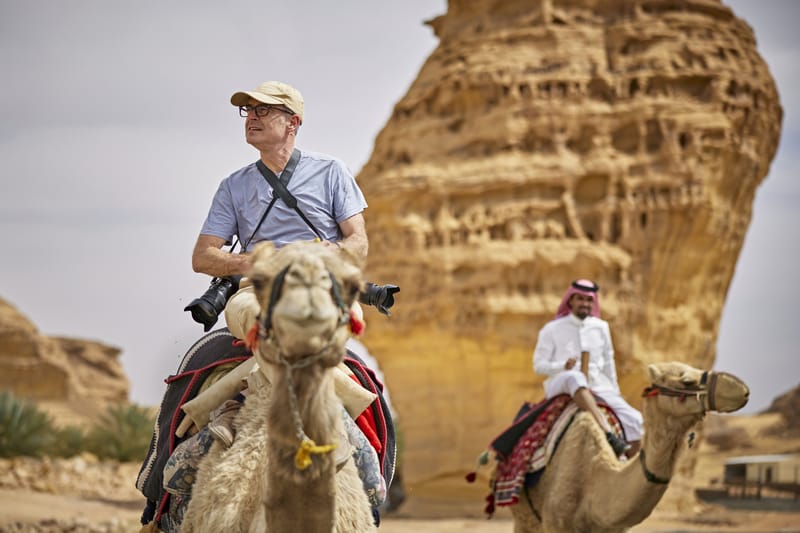
Every meal tells a story
Cuisine in Saudi Arabia doesn’t sit in the background of a trip. It steps forward, takes your hand, sits you down, and feeds you until you understand something about the place you couldn’t have learned any other way. The smoky depth of mandi carries centuries of Yemeni influence. The cardamom in your coffee cup traces a line back to the Incense Route. Even the sheer quantity of food on the table is making a point about who these people are and how they treat their guests.
On a guided tour, these moments don’t happen by accident. Your dedicated local guide knows the restaurants, the customs, and the stories behind the food, and they’ll make sure you don’t just eat in Saudi Arabia but come away understanding something real about the place through its table.
Ready to eat your way through Saudi Arabia? Our 12 Day Saudi Arabia Uncovered Premium Small Group Tour takes you through Riyadh, Jeddah, and AlUla with local dining built into the itinerary. Or explore the wider region on the 18 Day Jordan and Saudi Arabia Uncovered Premium Small Group Tour for a delicious extended Middle East journey across two cuisines and cultures.
Frequently asked questions
What is the most popular dish in Saudi Arabia?
Kabsa is widely considered the most popular Saudi dish and is served on a communal platter at everyday lunches and celebrations alike. It features:
-
Long-grain basmati rice
-
Chicken or lamb
-
Cardamom, cinnamon and black lime
-
Saffron-infused broth
Is food in Saudi Arabia spicy?
Saudi cuisine is aromatic rather than hot. Most dishes rely on warm spices like cardamom, cinnamon, and cloves for depth and fragrance, not chilli heat. The southern regions near Yemen use more chilli, but the majority of Saudi food is approachable for travellers who are sensitive to spice.
How did trade routes shape Saudi Arabian cuisine history?
The Arabian Peninsula's position on the ancient Incense Route brought cardamom, saffron, turmeric, and black lime from India, East Africa, and the Levant. Over centuries, these traded spices merged with Bedouin cooking traditions to create the layered, aromatic cuisine you'll taste across the Kingdom today.
What food is served at traditional Saudi gatherings?
Large gatherings typically centre on kabsa or mandi served on a communal platter with rice, slow-cooked meat, and garnishes. Arabic coffee brewed with cardamom is offered as a welcome ritual alongside dates, and you may also find jareesh, saleeg, flatbreads, and desserts like kunafa.
Can travellers with dietary requirements enjoy Saudi Arabia cuisine?
All meat in Saudi Arabia is halal, and the cuisine naturally avoids pork and alcohol. Vegetarian options include ful medames, hummus, fattoush, and various rice and bread dishes. Options are more limited in traditional settings but widely available in cities, and guided tours can arrange meals in advance for specific dietary needs.