 Australia
 United States
 Canada

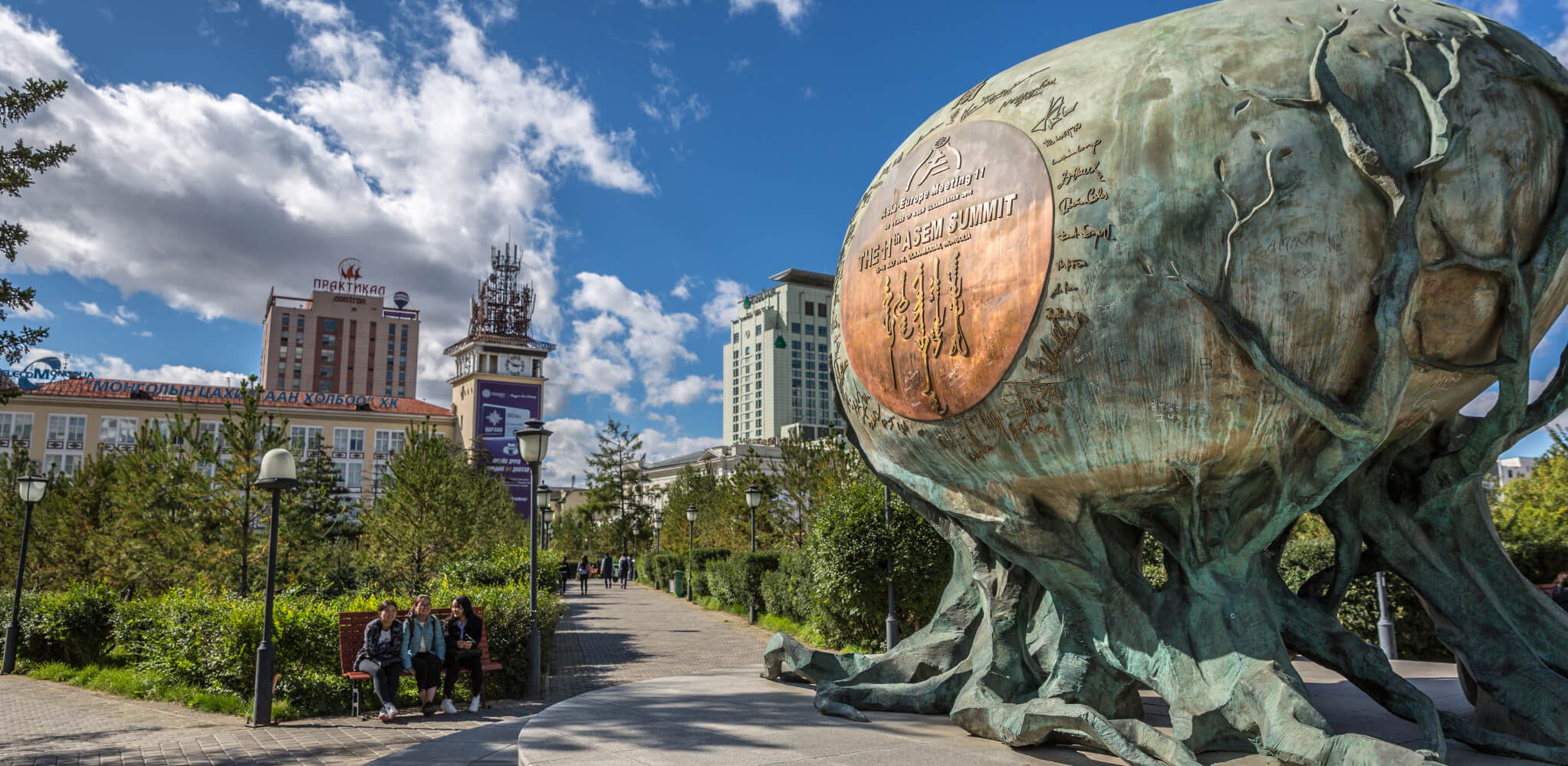
The bustling capital city of Mongolia is home to almost half of the country’s population, Ulaanbaatar (or UB as it is known locally) sits in stark contrast to the beautiful serenity of much of Mongolia’s natural landscape. Few could describe this industrial city as beautiful but it is hard to argue that it isn’t entertaining.
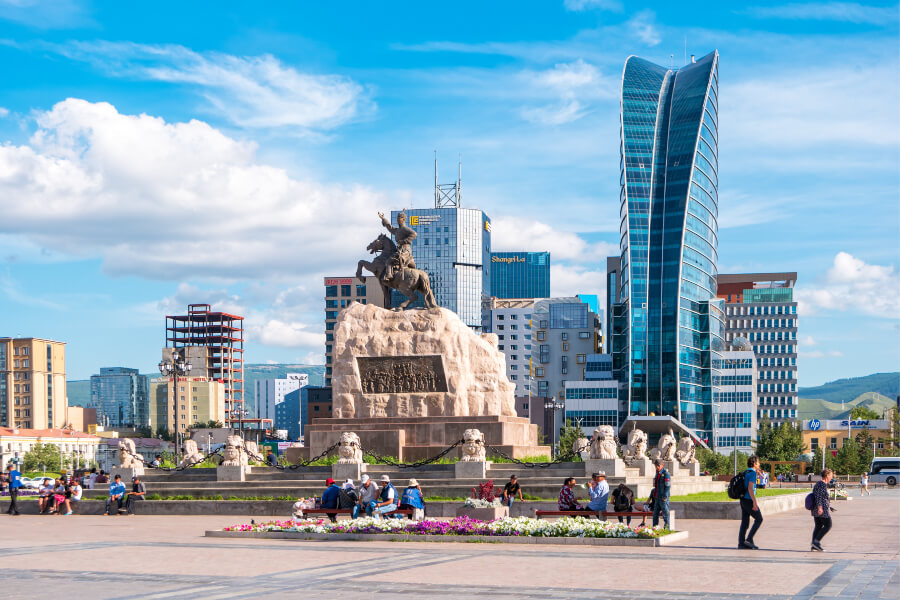
The city has a ‘Wild West’ feel, as nomadic herders from the grassy steppes come into the big city to sell livestock. Entrepreneurial businessmen do deals over Russian vodka with government ministers in fancy Chinese restaurants. Artists, punks and the city’s youth party until dawn in many of the hedonistic nightclubs and bars. And while there are corners of the city best avoided after dark, UB is also home to some world-class museums, fascinating galleries, bustling shopping malls and ancient Buddhist monasteries.
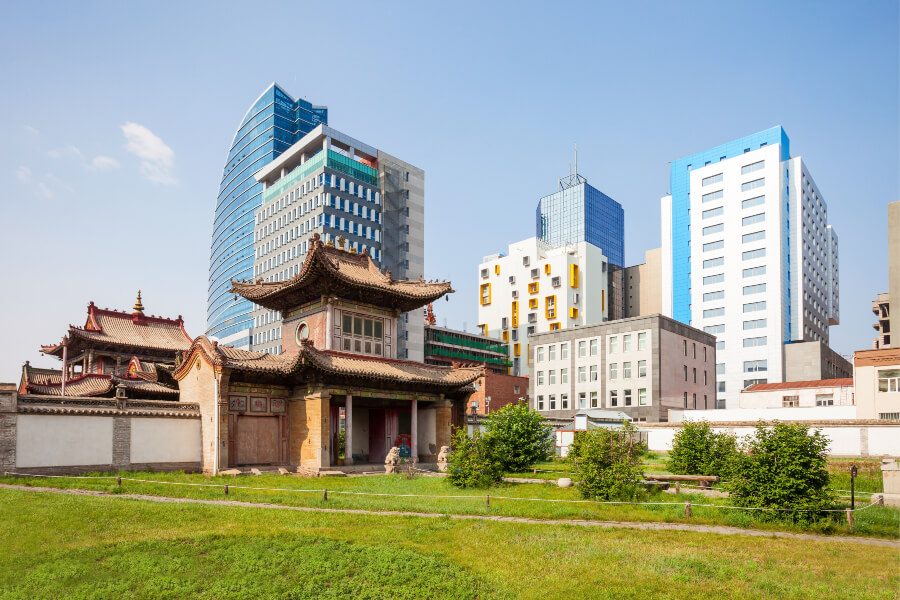
Connected to Russia and China via the Trans-Siberian-Railway the influences from both of its powerful neighbours are visible in the city’s architecture, cuisine and culture. Ulaanbaatar was part of the Manchurian Qing Dynasty from the 17th century, remnants of this era are still visible in the few remaining palaces and monasteries that survived the Soviet Era. After a very brief spell of independence at the turn of the 20th century, the Soviet Union’s occupation of UB very much left its mark on the city. Much of the UB we see today was built in the 1960s and 1970s and retains its Soviet-era brutalism. Independence in 1990 didn’t go well for Mongolia and economic stagnation and little investment saw the city fall into disrepair. It has only been in more recent years that foreign investment has helped the city smarten up. Now, tall, shiny buildings have sprung up in the traffic-clogged centre of the city, as investment into the resource-rich country has led to something of an economic boom.
The newly well-heeled – many of whom have made their money from the booming mining industry - hop out of their BMWs and into boutique shops. Art galleries and trendy restaurants vie for their cash, as property prices have skyrocketed. This is all a far cry from how the vast majority of Mongolians live in UB however. Still over 800,000 people still live in traditional gers, sometimes known as yurts, that surround the city centre. These large round tents allowed the nomadic Mongolian people to roll up their homes and move to their next settlement with their livestock as the seasons changed.
The Ger Districts are incredible to view - thousands of colourful, round gers spiralling off into the distance. However, as most aren’t connecting to running water, sewers or electricity, and reliant on coal-fired stoves, these informal settlements are regarded by many as modern-day slums. But regardless of the prices of the newer brick and mortar homes many Mongolian’s have no interest in changing the traditional way they have been living for generations.
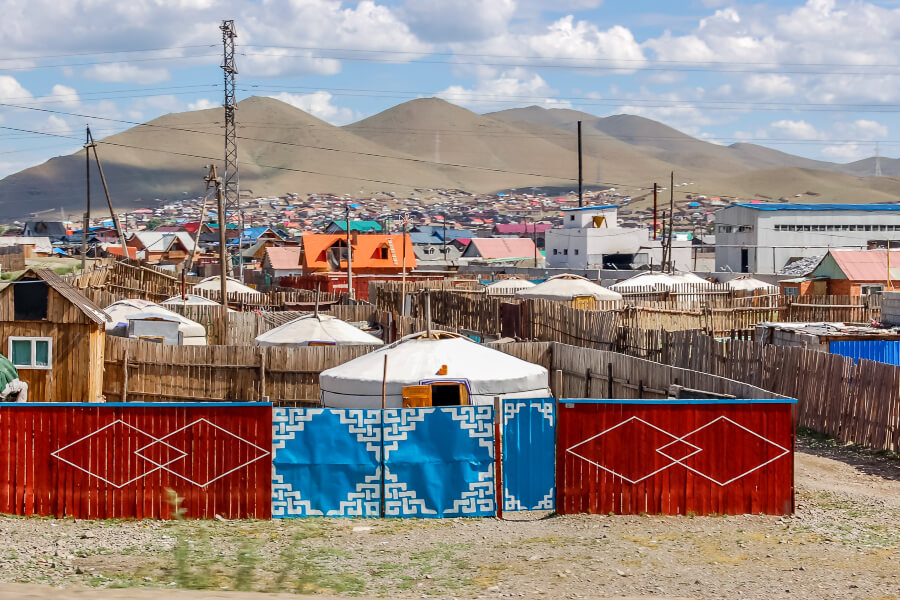
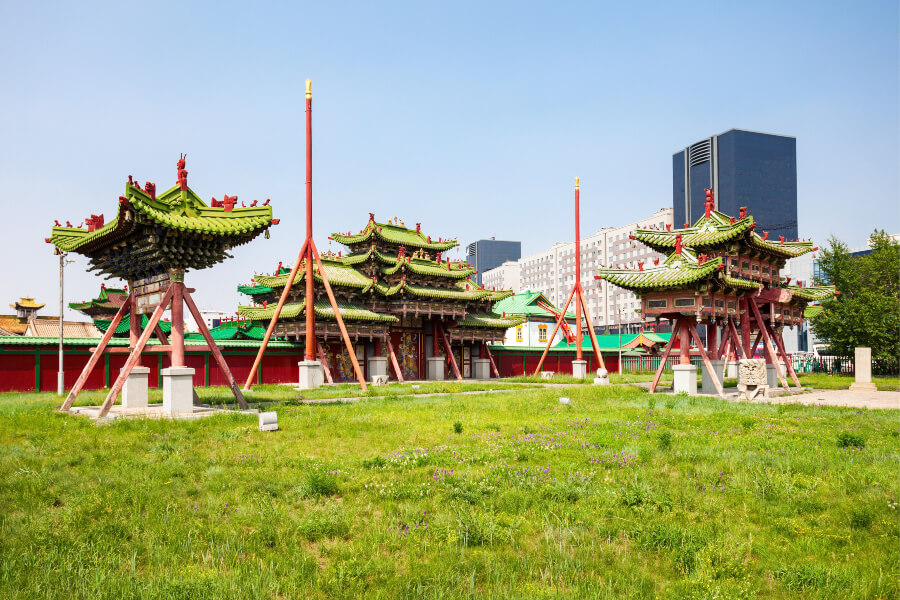
Pockets of traditional Mongolian life can still be found throughout the city. The vast Narantuul Black Market sells everything from colourful snuff bottles to handwoven carpets to the Ger District inhabitants. And whilst a lot of Mongolian culture was destroyed during the Soviet purge, the active Gandan Monastery and the old Winter Palace were spared and are beautiful examples of Manchu architecture and places to learn about Mongolian Buddhism, history and culture.
The capital is home to a number of exceptional museums. The National Museum gives a fantastic explanation of the country’s long and complex history showcasing the country’s culinary, musical, and creative culture. It also has a magical display of ceremonial costumes that clearly influenced the Star Wars costume designers.
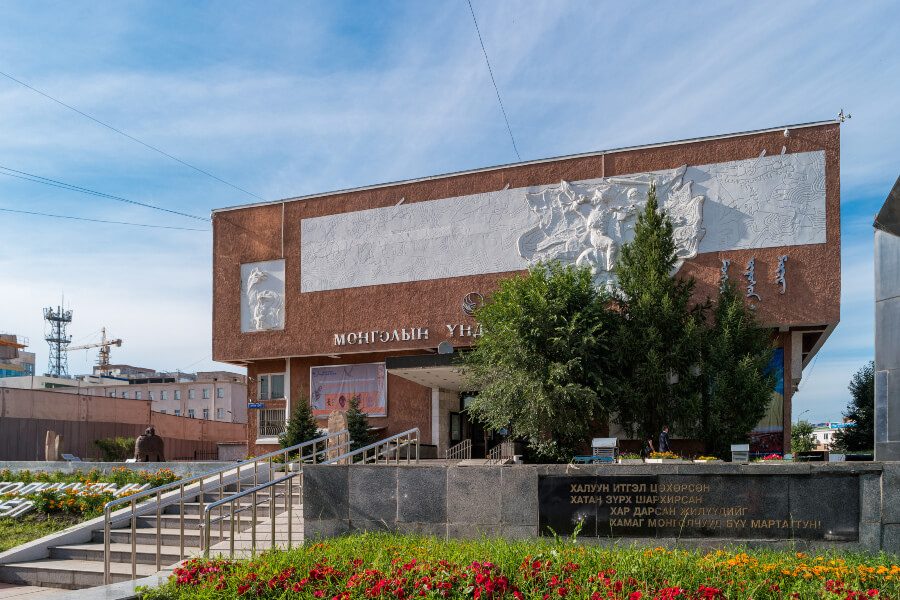
The nearby Zanabazar Fine Arts Museum houses a collection of paintings, carvings and sculptures, including many by the revered Buddhist sculptor and artist Zanabazar. With a good English description and audio guide the collection of Buddhist scrolls and thangka paintings provides an excellent understanding of the history of Tibetan Buddhism in Mongolia. The building itself also gives a masterclass in recent UB history. As one of the oldest Manchu buildings in the city, dating back to 1905, it first housed a Chinese bank, then was turned into a base for Soviet troops, before becoming a state-owned department store. In 1966 it became an art museum, which it has remained for the last half a century.
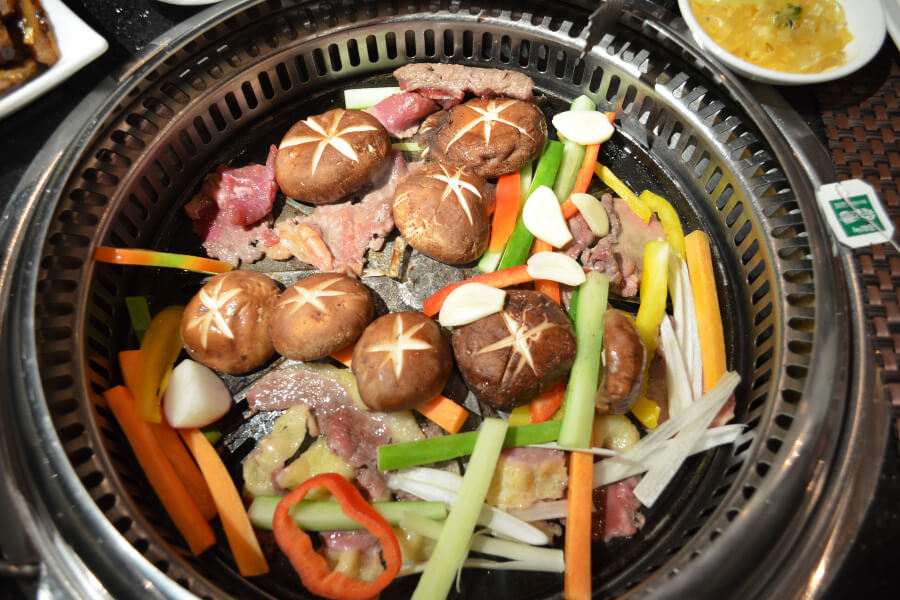
Another thing that has changed little over the centuries is the cuisine. As the coldest capital city on earth, it is no surprise that the cuisine here is meat-heavy and light on veg. Barbecued meat is the main traditional way of cooking and the popular Altai Mongolian Grill is a great place to get a taste of the local mutton.
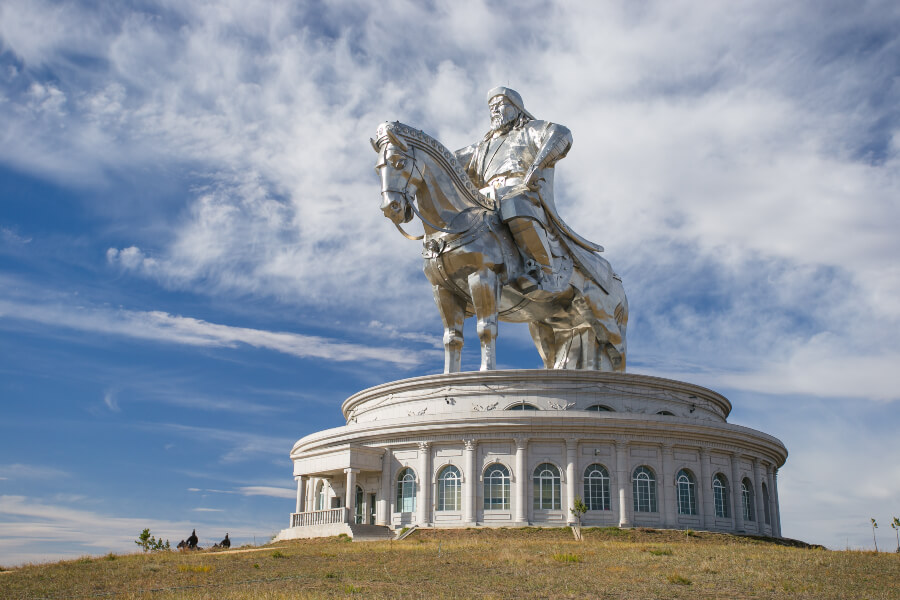
Just outside the city centre, on route to the Gun Galuut Nature Reserve is the Ghengis Khan monument. A huge 40-metre stainless steel statue featuring a stern-looking Khan astride a silver horse. The monument to the national hero responsible for the Mongol Empire, allows visitors to take in the panoramic views of the surrounding countryside from a viewing platform atop the horses head!