
 Australia
 New Zealand
 Canada

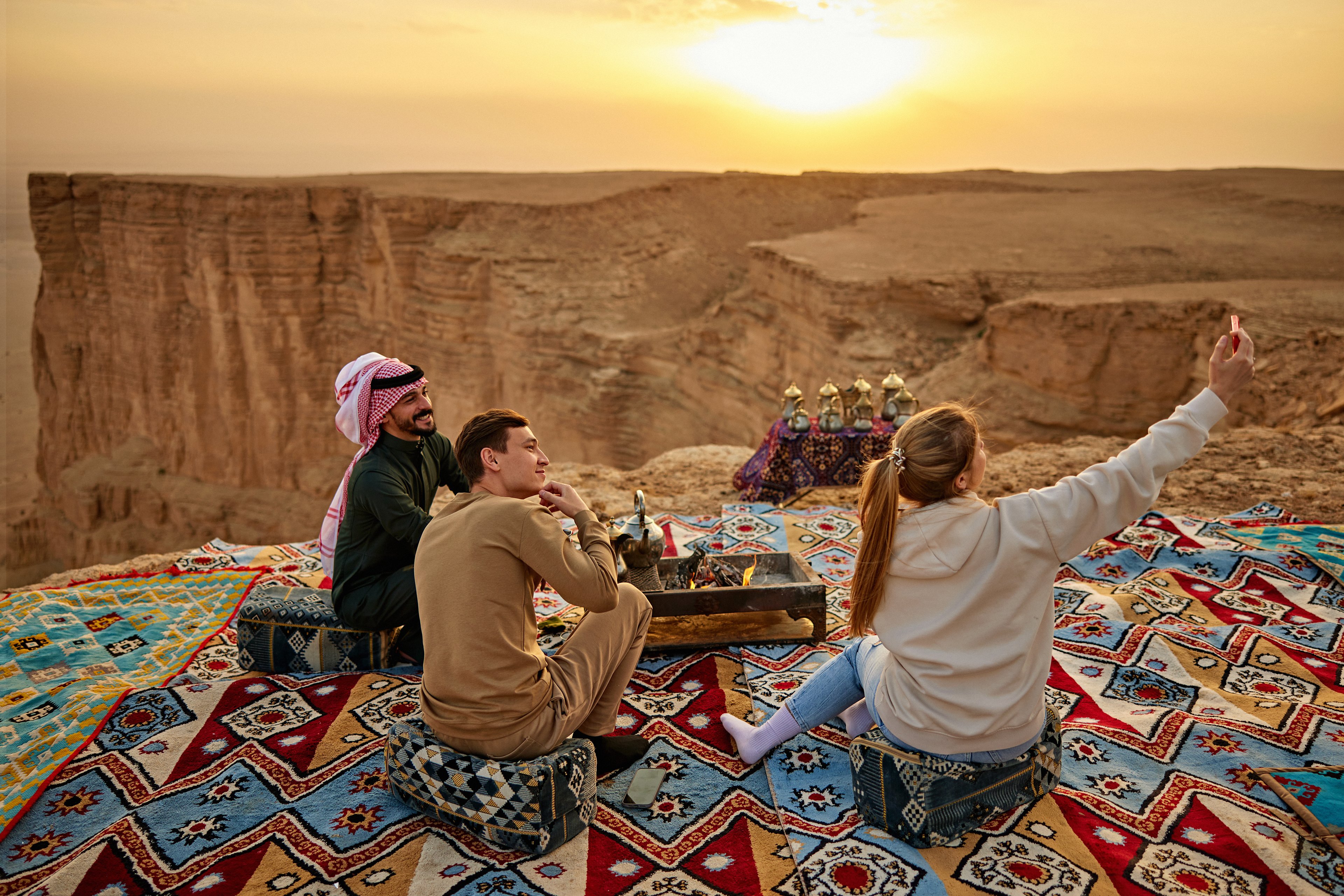
The best time to visit Saudi Arabia is from October to March, when temperatures are cooler and ideal for sightseeing. Winter months (December to February) offer the most comfortable conditions for exploring Riyadh, AlUla and Jeddah, while summer (June to September) brings extreme inland heat that can limit outdoor activities.
Saudi Arabia is a kingdom of striking contrasts: deserts as far as the eye can see, Red Sea beaches, busy, modern cities, and ancient heritage sites. Of course, timing your visit isn’t just about avoiding the heat. It’s about shaping a well-paced, rewarding journey where each day is thoughtfully designed for exploration, cultural immersion, and ease. You’ll have time to soak it all in, without ever feeling hurried or missing out.
Step into the wonders of Saudi Arabia with our expert-guided tours and discover the itinerary that suits you best.
Understanding Saudi Arabia’s climate
Saudi Arabia has a desert climate: hot summers, mild winters, and minimal rainfall. Regional variations significantly influence travel comfort, an important factor when considering the best time of year to visit Saudi Arabia. For visitors, keeping an eye on the weather helps with tour planning and packing.
- Riyadh and central desert regions: Extremely hot summers (up to 45°C/113°F) and cool winters (10–20°C/50–68°F).
- Jeddah and Red Sea coast: Hot and humid summers, mild winters.
- AlUla and northern heritage regions: Generally dry, with cool winters and very hot summers, plus notable day-to-night temperature shifts.
- Northern and eastern regions: Desert and mountain landscapes that are most comfortable in cooler months.
Visiting Saudi Arabia month-to-month
January
- Weather: Mild, comfortable days; cool nights (10–20°C/50–68°F) in Riyadh, slightly warmer in Jeddah).
- Why visit: Ideal for exploring Riyadh’s heritage sites, AlUla’s desert landscapes, and Jeddah’s coastal attractions without the heat.
- Travel tip: Morning and late afternoon tours work best; guided itineraries ensure you’re comfortable while seeing top sites like the Nabatean Tombs and Diriyah.
February
- Weather: Similar to January; slightly longer daylight.
- Why visit: Great for desert hikes and cultural sightseeing; fewer crowds than later winter months.
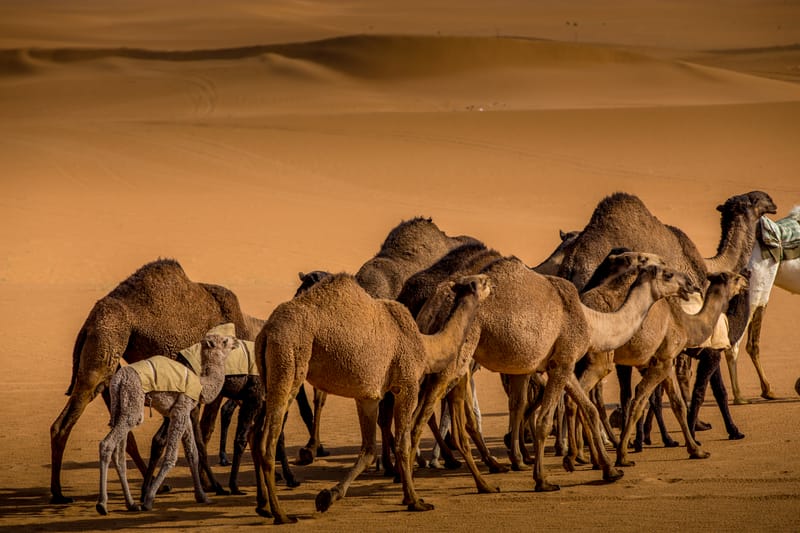
- Travel tip: February is the perfect month to experience Ushaiger Heritage Village or Buraidah Camel Market with comfortable temperatures.
March
- Weather: Warmer, with desert wildflowers starting to bloom.
- Why visit: Scenic landscapes in AlUla and central deserts; spring cultural events begin.
- Travel tip: Shoulder season offers value and comfortable sightseeing; guided pacing helps manage rising daytime temperatures.
April
- Weather: Mild to warm days, cooler mornings and evenings.
- Why visit: Desert and heritage exploration remain comfortable; fewer crowds than peak winter.
- Travel tip: Early mornings are recommended for AlUla hikes.
May
- Weather: According to Saudi Arabia’s National Centre for Meteorology, temperatures start rising significantly, particularly inland (up to 38–40°C/100.4–104°F).
- Why visit: Good for coastal cities like Jeddah; inland exploration becomes more challenging.
- Travel tip: Opt for guided tours to manage desert excursions and timing around cooler parts of the day.
June
- Weather: Hot summer begins (often >40°C/104°F), high humidity on the Red Sea coast.
- Why visit: Fewer tourists, lower costs, but heat can limit outdoor activity.
- Travel tip: Focus on indoor or early-morning excursions and pay attention to pacing and hydration during this hotter month.
July
- Weather: Peak summer heat when inland temperatures are extreme.
- Why visit: Not ideal for most outdoor sightseeing; coastal areas remain more bearable.
- Travel tip: Summer travel is best for those seeking quiet, off-peak experiences, but only recommended with expert guidance.
August
- Weather: Still extremely hot; with humidity high on the coast.
- Why visit: Low crowds, good for indoor cultural experiences.
- Travel tip: Schedule sightseeing around the cooler parts of the day and let guided tours handle logistics efficiently.
September
- Weather: Temperatures start to ease, particularly inland.
- Why visit: Prepares for peak season travel; cultural events and National Day festivities.
- Tips: Guided tours will help navigate festivities and climate shifts for a smooth experience.
October
- Weather: Cooler, pleasant temperatures; ideal for sightseeing.
- Why visit: October marks the beginning of what many consider the best time to visit Saudi Arabia, boasting pleasant weather and manageable crowds.
- Travel tip: Perfect for desert exploration and city tours.
November
- Weather: Mild, comfortable, ideal for outdoor exploration.
- Why visit: One of the best months for multi-city tours (Riyadh, AlUla, Jeddah) with full daylight and pleasant temperatures.
- Travel tip: Guided tours allow for seamless travel across regions without climate-related fatigue.
December
- Weather: Mild winter; cooler nights.
- Why visit: Peak season for comfortable sightseeing and desert exploration.
- Travel tip: Book ahead; guided tours ensure smooth experiences during the busiest travel month.
Best time of year to visit Saudi Arabia for comfortable travel weather
The cooler months (October–March) are the most comfortable:
- October–November: Warm days, cool evenings, ideal for hiking, sightseeing, and photography.
- December–February: Mild temperatures, perfect for exploring cities, heritage sites, and desert landscapes.
- March: Pleasant temperatures and the start of the desert wildflower season, with fewer crowds than peak winter.
During these months, outdoor activities (like walking through AlUla’s rock formations and Riyadh’s historic districts), are much more enjoyable and comfortable.
Visiting Saudi Arabia in summer: What to expect
Summer in Saudi Arabia (June–September) brings extremely high temperatures, with daytime highs often exceeding 40°C (104°F). Along the Red Sea coast, humidity can also make conditions feel particularly intense. For this reason, summer is not typically considered the most comfortable time to visit.
However, travel during these months is still possible with thoughtful planning. Many indoor attractions, such as museums, galleries, and cultural centres, are fully air-conditioned and remain easy to explore throughout the day. Outdoor activities, including desert excursions, are best scheduled for early mornings or late afternoons when temperatures are lower.
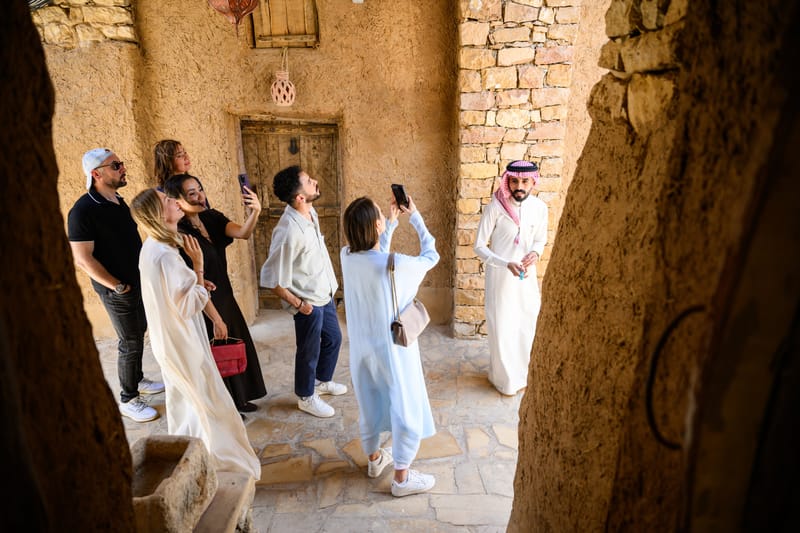
Guided tours during summer are generally designed with the climate in mind, moving at a relaxed pace and incorporating shaded stops and regular breaks during the hottest parts of the day. For travellers seeking quieter sites and fewer crowds, a summer visit can still offer a rewarding experience.
Regional highlights across the Kingdom
From the deserts of Riyadh and Ushaiger, to the northern landscapes of Hail and spiritual heart of Madinah, each region of Saudi Arabia has something to offer. Knowing the best time to visit Saudi Arabia can make a big difference—cooler winters are ideal for walking and exploration, while early starts work well in hotter areas. All of these experiences can be explored on a guided tour, helping you make the most of your journey.
Riyadh (Central Region)
- Weather: Mild winters, hot summers.
- Highlights: Diriyah and At-Turaif, The National Museum, Al Masmak Fortress, Souk Al-Zal.
- Timing tip: Winter months are best for walking tours and heritage exploration. Summer mornings work with shorter visits and guided pacing.
Ushaiger & Buraidah (Central-North)
- Weather: Cooler winter mornings; hot summer days.
- Highlights: Ushaiger Heritage Village, Buraidah Camel Market, Faid Historic Village.
- Timing tip: Ideal in shoulder and winter months when exploring traditional markets and villages is more comfortable.
Hail (Northern Region)
- Weather: Hot summers; crisp winter days.
- Highlights: Jubbah Neolithic Rock Art.
- Timing tip: Winter allows for pleasant hiking and photography; summer visits are recommended only with expert guides and early/late scheduling.
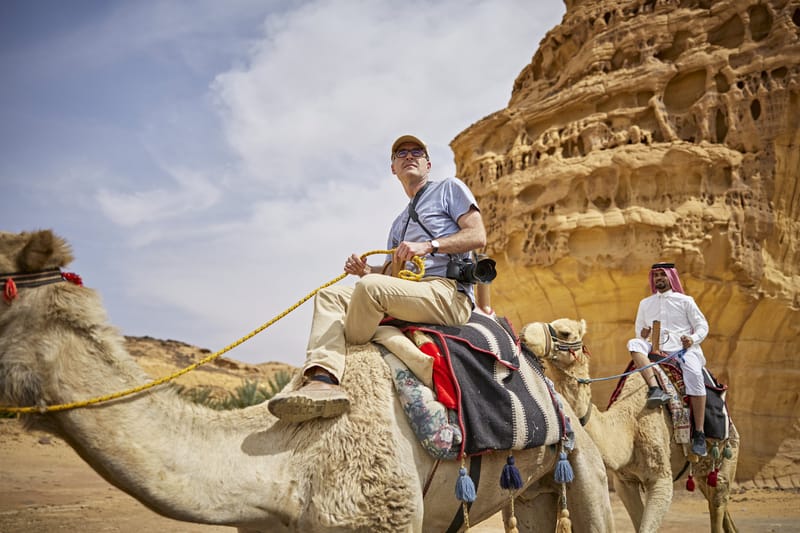
AlUla (Northwest)
- Weather: Cool winter days, very hot summer afternoons.
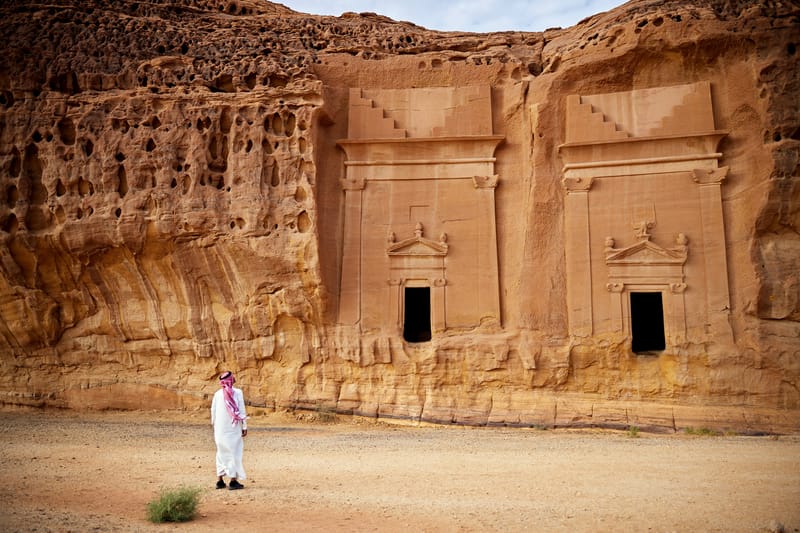
- Highlights: Nabatean Tombs, Maraya Tour, Elephant Rock, Oasis Heritage Trail, Dadan and Jabal Ikmah Tour.
- Timing tip: Winter and shoulder seasons are perfect for exploring desert landscapes, hiking trails, and heritage sites.
Madinah (Western Region)
- Weather: Mild winters, hot summers.
- Highlights: The Prophet’s Mosque.
- Timing tip: Winter offers comfortable sightseeing and a more relaxed experience; summer visits require guided pacing.
Jeddah & Red Sea Coast
- Weather: Hot and humid in summer; mild and breezy in winter.
- Highlights: The Floating Mosque, House of Islamic Art, Al Balad Historical City.
- Timing tip: Winter and shoulder months provide pleasant temperatures for coastal walks and cultural exploration.
Cultural events and religious considerations
Experiencing local events and customs is part of the joy of travel, and seeing Saudi Arabia on a tour can make your visit even more memorable, with guides helping you navigate cultural traditions with ease.
Visiting during Ramadan offers a moving cultural experience, with altered opening hours and public norms, so planning ahead ensures meals and activities remain smooth and respectful. Saudi National Day on 23 September features parades and festivities that provide cultural insights, but it coincides with the hottest period of the year.
During Hajj Season, the annual Islamic pilgrimage to Mecca (typically occurring from late spring to early summer), you may notice cities like Jeddah and Medina experiencing large crowds, and transport hubs can feel overwhelmingly busy. Guided tours are particularly helpful during these periods, and help travellers navigate cultural nuances with ease (not to mention the helpful, practical advice). Explore our selection of Saudi Arabia tours to make the most of your visit.

Peak vs shoulder season: Balancing comfort and value
Travelling to Saudi Arabia slightly outside peak months allows for a comfortable experience without compromising the quality of sightseeing or cultural engagement. Here’s our
- Peak season (December–February): Mild weather, ideal sightseeing, but higher accommodation prices.
- Shoulder season (October–November, March): Slightly warmer temperatures, fewer crowds, and often better value for tours and accommodation.
How guided touring enhances the experience in any season
Even the best timing can be improved with expert planning. Guided tours help travellers:
- Pace activities to avoid the hottest hours
- Ensure comfortable transport, hydration, and shaded breaks
- Schedule visits around cultural and religious events
- Provide local insights and connections for richer experiences
With thoughtful planning, summer becomes manageable, and winter or shoulder-season trips are enhanced by well-paced itineraries that maximise sightseeing and comfort.
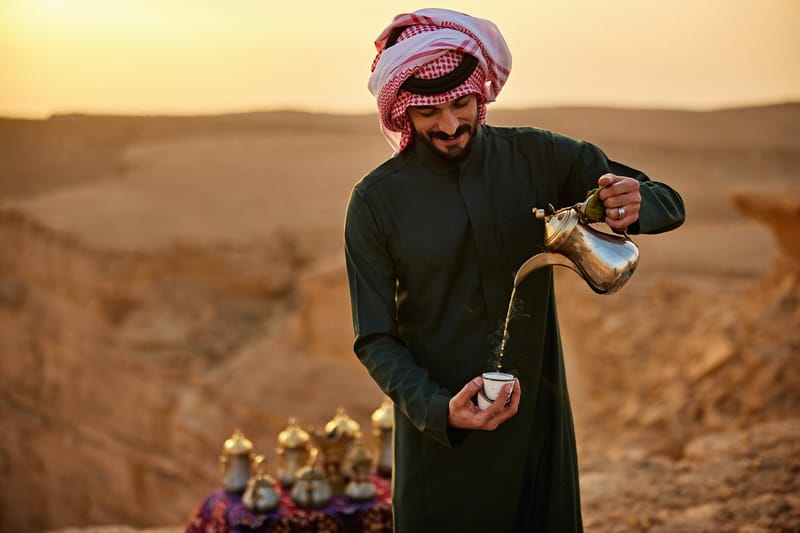
Final thoughts on the best time to visit Saudi Arabia
Ultimately, the best time to visit Saudi Arabia depends on your travel style, heat tolerance, and cultural interests. For most travellers, October through March provides the ideal balance of comfortable weather and immersive experiences.
If you’re deciding when is the best time to visit Saudi Arabia, prioritising the cooler months will allow you to explore confidently and comfortably. With thoughtful planning, even summer visits can be rewarding, but for first-time travellers especially, winter and shoulder seasons remain the most recommended.
Key takeaways: Best time to visit Saudi Arabia
- The best time of year to visit Saudi Arabia is October to March when the temperatures are cooler and ideal for sightseeing.
- December to February offers the most pleasant weather for desert, heritage, and city exploration.
- Summer (June-September) is very hot inland, making winter and shoulder seasons the best time to visit for most travellers. But, if you love hot weather, don’t let the 40°C/104°F temperatures put you off—we’ll see you in the desert!
Frequently Asked Questions
What is the weather like in Saudi Arabia throughout the year?
Desert conditions dominate, with hot summers and mild winters. Coastal areas are more humid, and heritage/desert regions can experience significant day-to-night temperature shifts.
Is summer a good time to visit Saudi Arabia?
Summer is hot and humid in most regions. It suits travellers seeking fewer crowds and competitive pricing, especially when guided tours manage pacing and comfort.
What is the best time to visit Riyadh and AlUla?
Winter months (December–February) are most comfortable for sightseeing and desert exploration, while shoulder months (October–November, March) offer slightly warmer but still manageable conditions.
How does Ramadan affect travel in Saudi Arabia?
During Ramadan, opening hours and public norms change. Visiting during this month offers a unique cultural experience but requires sensitivity and planning, particularly around meals and public behaviour.