
 Australia
 New Zealand
 Canada

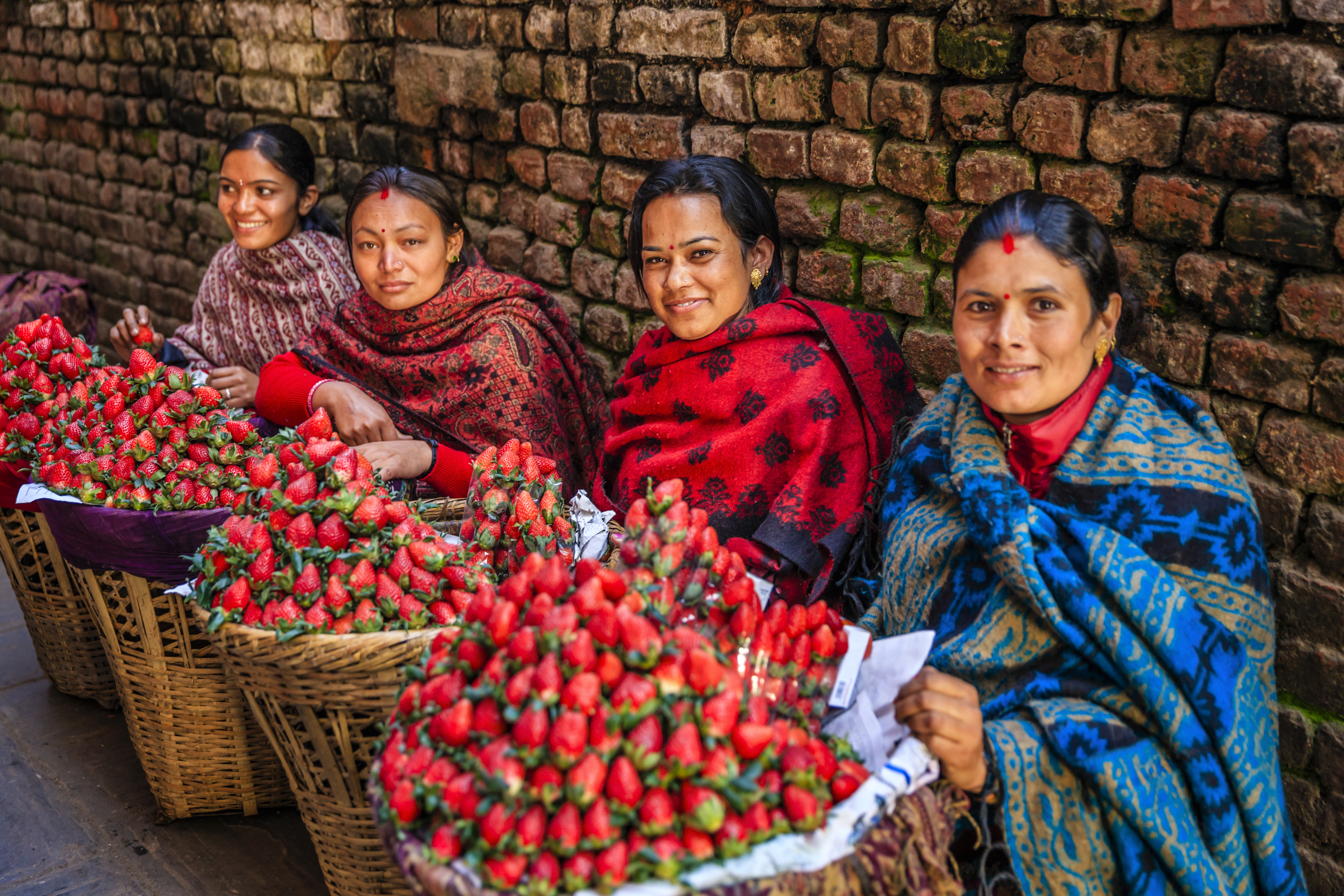
Cuisine in Nepal is defined by rice and lentils, Himalayan grains, regional spices, and a blend of Indian and Tibetan influences. The steam rising from a freshly folded momo, the warm comfort of dal bhat served on a brass plate, the crunch of sel roti at a village festival. From the everyday staple dal bhat to elaborate Newari festival feasts, Nepali cuisine reflects geography, religion, and more than 140 distinct ethnic traditions.
Nepalese food draws influences from Tibet and India but has developed its own distinct identity. The Nepal Tourism Board calls it "heaven for culinary tourism", and it's easy to see why. From the dal bhat that fuels everyday life to the elaborate feasts of Newari festivals, Nepali cuisine reflects geography, religion, and generations of tradition.
This guide is your taste of the delicacies waiting on our Nepal tours. The essential dishes, regional flavours, and cultural customs behind every meal.
What defines cuisine in Nepal?
Nepalese cuisine comes down to three things: grains, spices, and geography. In the lowlands and middle hills, rice is king. Head higher into the mountains where rice won't grow, and you'll find millet, buckwheat, and barley taking over. Lentils appear at almost every meal, cooked into soups with turmeric, cumin, and garlic.
Where you are in Nepal determines what's on your plate. The southern Terai plains produce tropical fruits and freshwater fish. The middle hills are known for seasonal vegetables and goat dishes. Up in the Himalayas, it's yak products, potatoes, and hardy grains that keep people fed. Religion matters too. Over 81% of Nepalis are Hindu and don't eat beef, while Buddhist communities in mountain areas follow their own dietary customs. Cooking tends to be simple: most dishes are steamed, boiled, or cooked over wood fires without much oil.
Common ingredients used in Nepali food
Five spices do the heavy lifting in Nepali food: timmur (similar to Sichuan pepper), jimbu (a dried Himalayan herb that doubles as an altitude sickness remedy), methi (fenugreek), hing (asafoetida), and jwanu (ajwain). While some of these ingredients are also used in neighbouring Himalayan regions of India, their flavour combinations are central to the character of Nepali cuisine.
What you'll find in a Nepali kitchen:
-
Grains: Rice, millet, buckwheat, barley, corn
-
Pulses: Black lentils, red lentils, chickpeas, soybeans
-
Vegetables: Potatoes, leafy greens, radish, cauliflower, tomatoes, seasonal gourds
-
Meat: Goat, chicken, buffalo, fish (in the south), yak (up high)
-
Dairy: Yogurt, ghee, paneer, chhurpi (hard yak cheese)
-
Preserved foods: Gundruk (fermented greens), sinki (fermented radish)
Pickles (achar) come with every meal. They range from fresh tomato-chilli combinations to fermented preparations aged for months. Nepalis take their pickles seriously.
Popular Nepalese dishes you may be familiar with
While a number of Nepalese food items have made it onto menus worldwide, they are often labelled as Indian or Tibetan.
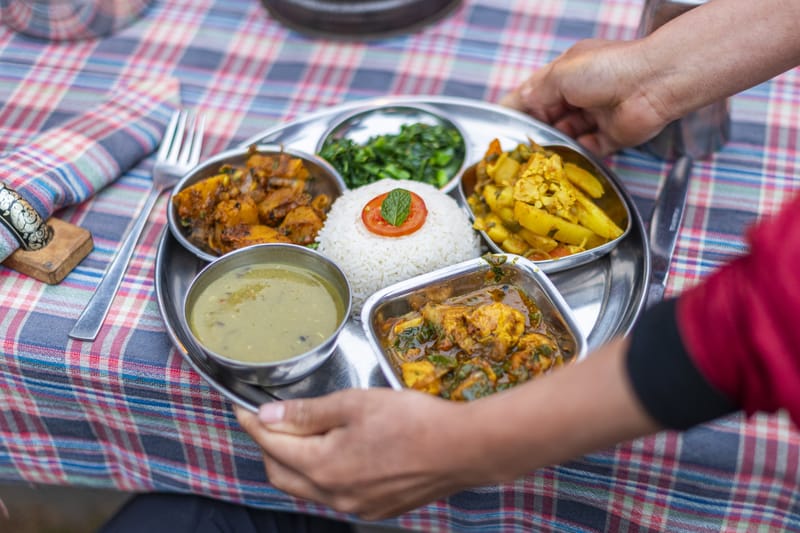
Dal bhat is what most Nepalis eat at least once a day. It's lentil soup (dal) poured over rice (bhat), served with vegetable curry, pickle, and sometimes meat. The beauty is in the variety: each element is seasoned differently, and you mix everything together as you eat. Restaurants give you unlimited refills of dal and rice, which is why trekkers live by the motto "dal bhat power, 24 hour."
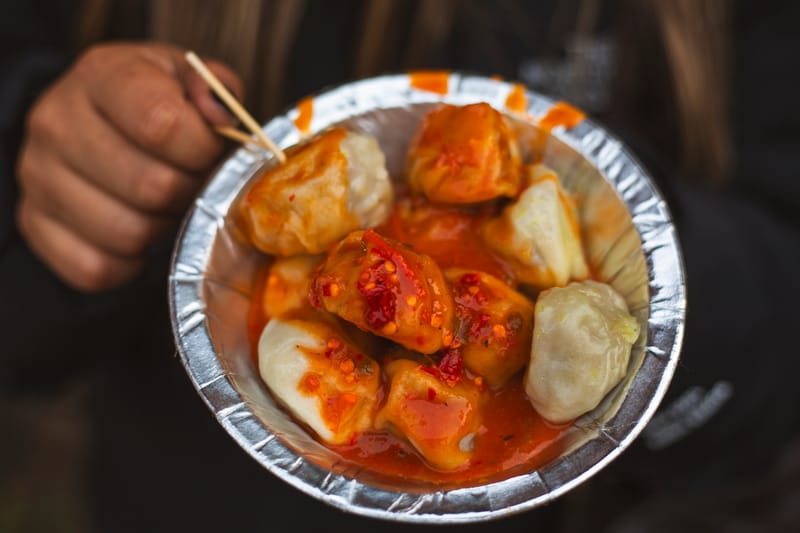
Momos are Nepal's favourite snack. These steamed dumplings, filled with spiced meat or vegetables and served with tomato achar, are everywhere. You'll find them steamed, fried, swimming in soup (jhol momos), or tossed in chilli sauce. They look similar to Tibetan dumplings but the spicing is distinctly Nepali.
Dhindo is a thick porridge made from millet, buckwheat, or corn flour. It's traditional mountain food from regions where rice doesn't grow, and it's widely recognised as a national dish alongside dal bhat.
Regional variations in Nepalese cuisine
Nepal is one of many fascinating destinations across Asia where food tells the story of geography, trade, and tradition. Travelling across the country is well worth it, as Nepali cuisine varies dramatically from region to region.
Region |
What to expect |
Dishes to try |
|
Terai (southern plains) |
Indian-influenced, fish curries, tropical fruits |
Tharu fish curry, basmati rice dishes |
|
Middle hills |
Diverse ethnic cuisines, fermented foods |
Gundruk, kinema, local meat dishes |
|
Kathmandu Valley |
Elaborate Newari cuisine, buffalo dishes |
Samay baji, chatamari, juju dhau |
|
Mustang (Thakali region) |
Famous thali sets, buckwheat dishes |
Thakali thali, buckwheat pancakes |
|
High Himalayas |
Tibetan-influenced, yak products |
Thukpa, yak butter tea, chhurpi |
Everyday meals vs festival food in Nepal
Day to day, most Nepali families keep it simple. Dal bhat twice daily (mid-morning and early evening), with a light snack in between. The vegetables change with the seasons, but the format stays the same: rice, lentils, veg, pickle, maybe some meat.
Festival food is another story. During Dashain in September-October, families go all out with goat curry and sel roti (sweet ring-shaped rice bread). Tihar brings more sel roti plus special sweets. The Newari community takes festival food to another level, with samay baji platters featuring dozens of components. And during Yomari Punhi in December, you'll find yomari everywhere: sweet rice flour dumplings filled with molasses and sesame.
How Nepali cuisine differs from Indian and Tibetan food
Nepali cuisine shares some roots with Indian food, but it brings plenty of its own flavour to the table. Here's what makes it unique:
-
Less oil: Nepali cooking is lighter than North Indian food. No heavy cream sauces here.
-
Different spices: Timmur and jimbu are distinctly Nepali. You won't find garam masala used as heavily.
-
Fermented foods: Gundruk, sinki, and kinema are Nepali preservation techniques you won't find in Indian kitchens.
-
Buffalo: While many Hindus in India avoid beef for religious reasons, dietary practices vary widely by region. In Nepal, particularly within Newari cuisine, buffalo meat is commonly consumed.
Tibetan influence is strong in the mountains, but even shared dishes like momos and thukpa taste different here. During the 1950s, while Nepal was closed to outsiders, locals had time to enrich their food traditions and their food developed its own character.
The role of food in Nepali culture
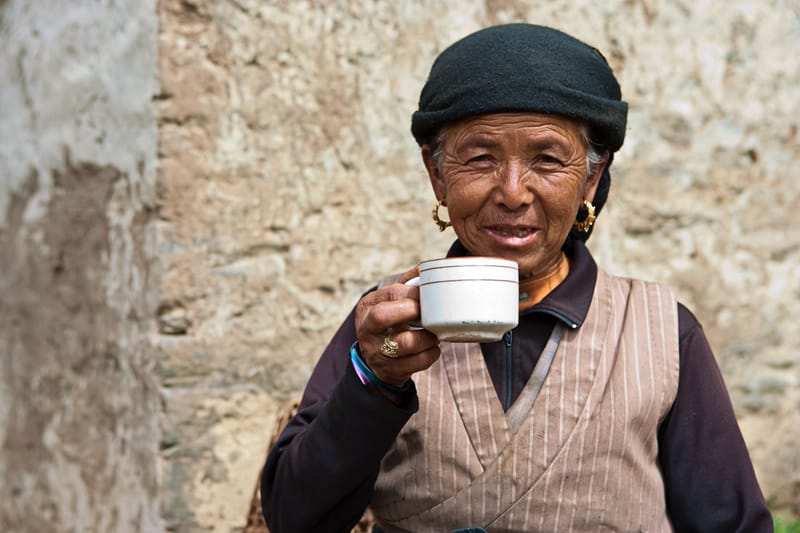
Food and hospitality are inseparable in Nepal. If you visit someone's home, you'll be offered food and drink. Refusing is rude. Meals are eaten with the right hand (the left is considered unclean), and food is traditionally served on brass plates with rice in the middle and everything else arranged around it. Guests and elders get the nicest plates.
Religion shapes eating habits too. Hindu families often fast on certain days, and many Brahmin households are fully vegetarian. Buddhist communities have their own traditions around food offerings and shared meals. Even the simple act of sharing dal bhat carries meaning: unlimited refills represent abundance and generosity.
10 must-try Nepali dishes
These dishes cover the range of food in Nepal, from everyday staples to festival treats. All worth tracking down.
Dal bhat
The national dish. Lentil soup over rice with vegetable curry, pickle, and often meat. Restaurants give unlimited refills. 300-600 rupees (approx $3-6 AUD) in cities, more on trekking routes.
Momos
Steamed dumplings with spiced meat or vegetables, served with tomato achar. Get them steamed, fried, in soup, or chilli-tossed. 150-300 rupees for 10.
Dhindo
Thick porridge made from millet, buckwheat, or corn flour. Traditional mountain food, best with gundruk pickle. Find it at Thakali restaurants or trekking teahouses.
Sel roti
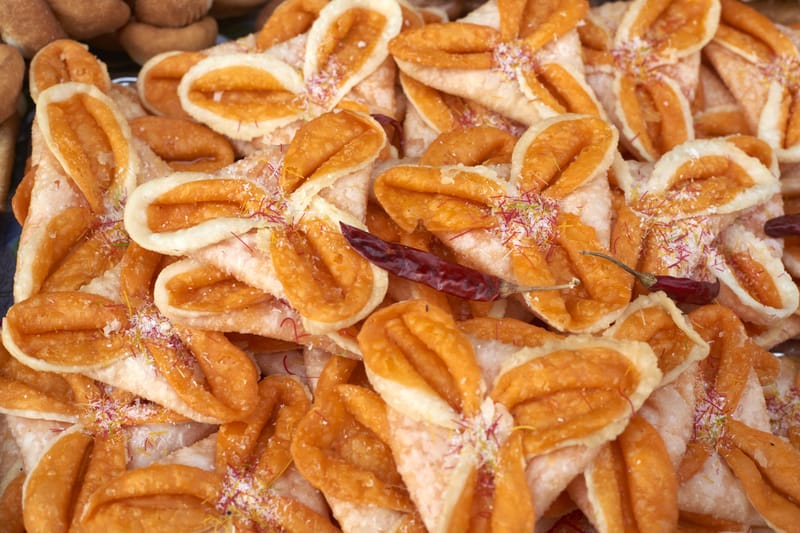
Sweet ring-shaped rice bread, crispy outside, soft inside. Traditional during Tihar and Dashain but available year-round. Great with tea.
Samay baji
Newari ceremonial platter with beaten rice, buffalo meat, black soybeans, egg, and spicy potato salad. Find it at Newari restaurants in Kathmandu, Bhaktapur, or Patan.
Chatamari
Crispy rice flour crepe topped with minced meat, egg, and vegetables. Sometimes called "Nepali pizza." A Kathmandu Valley specialty.
Thukpa
Warming noodle soup with vegetables and meat. Tibetan origins but Nepali spicing. Perfect on cold days in Kathmandu or on the trekking trail.
Sekuwa
Grilled meat skewers cooked over wood fire. Buffalo, goat, or chicken with cumin, coriander, and chilli. Popular evening street food.
Juju dhau
The "king of curds" from Bhaktapur. Thick, creamy, sweet yogurt set in clay pots. A must when visiting this ancient Newari city.
Gundruk
Fermented leafy greens, sun-dried and stored for months. Used as a pickle or in soups. Intense, tangy, and uniquely Nepali.
Taste Nepal for yourself
Nepalese cuisine rewards curiosity. Whether you call it cuisine népalaise, Nepali khana, or simply good food, every meal tells a story about place, altitude, and tradition. From the first spoonful of dal bhat to the last momo dipped in fiery achar, the flavours of this Himalayan nation will stay with you long after you return home.
Ready to experience it for yourself? Explore our Inspiring Nepal Small Group Tour and discover a travel adventure that includes authentic food experiences, from traditional home visits to teahouse trekking. Our expert tour leaders know where to find the best local dishes in every destination.
Frequently asked questions
What is the national dish of Nepal?
Nepal has two: dal bhat (lentil soup with rice) and dhindo (a thick millet or buckwheat porridge). Dal bhat is what most people eat daily in the lowlands and hills. Dhindo is the traditional staple in mountain regions where rice won't grow.
Is Nepalese cuisine vegetarian friendly?
Very. Dal bhat is naturally vegetarian, and many Nepali families don't eat meat for religious reasons. Vegetable momos, paneer dishes, and lentil snacks are everywhere. Buddhist restaurants serve fully meat-free menus. Just say "masu chaina" (no meat) when ordering.
Is Nepalese food spicy?
Moderately. The pickles (achar) pack heat, but main dishes like dal bhat are gentler. Nepali cooking uses warming spices like cumin, coriander, and turmeric alongside chilli. Ask for "ali kati" if you want less spice, "piro" for more.
What are the most popular street foods in Nepal?
Momos lead the pack. You'll also find samosas, pani puri (crispy shells with spiced water and chickpeas), sel roti, sekuwa (meat skewers), and chatpate (spicy puffed rice). Most street snacks cost 30-150 rupees.
Do Nepali dishes vary by region?
They do, significantly. The Terai has fish curries and tropical fruits. The middle hills are known for fermented foods. Kathmandu Valley is famous for Newari cuisine. The Himalayas feature Tibetan-influenced dishes with yak and butter tea. Altitude, climate, and ethnicity all shape what's on the table.