 Australia
 New Zealand
 United States

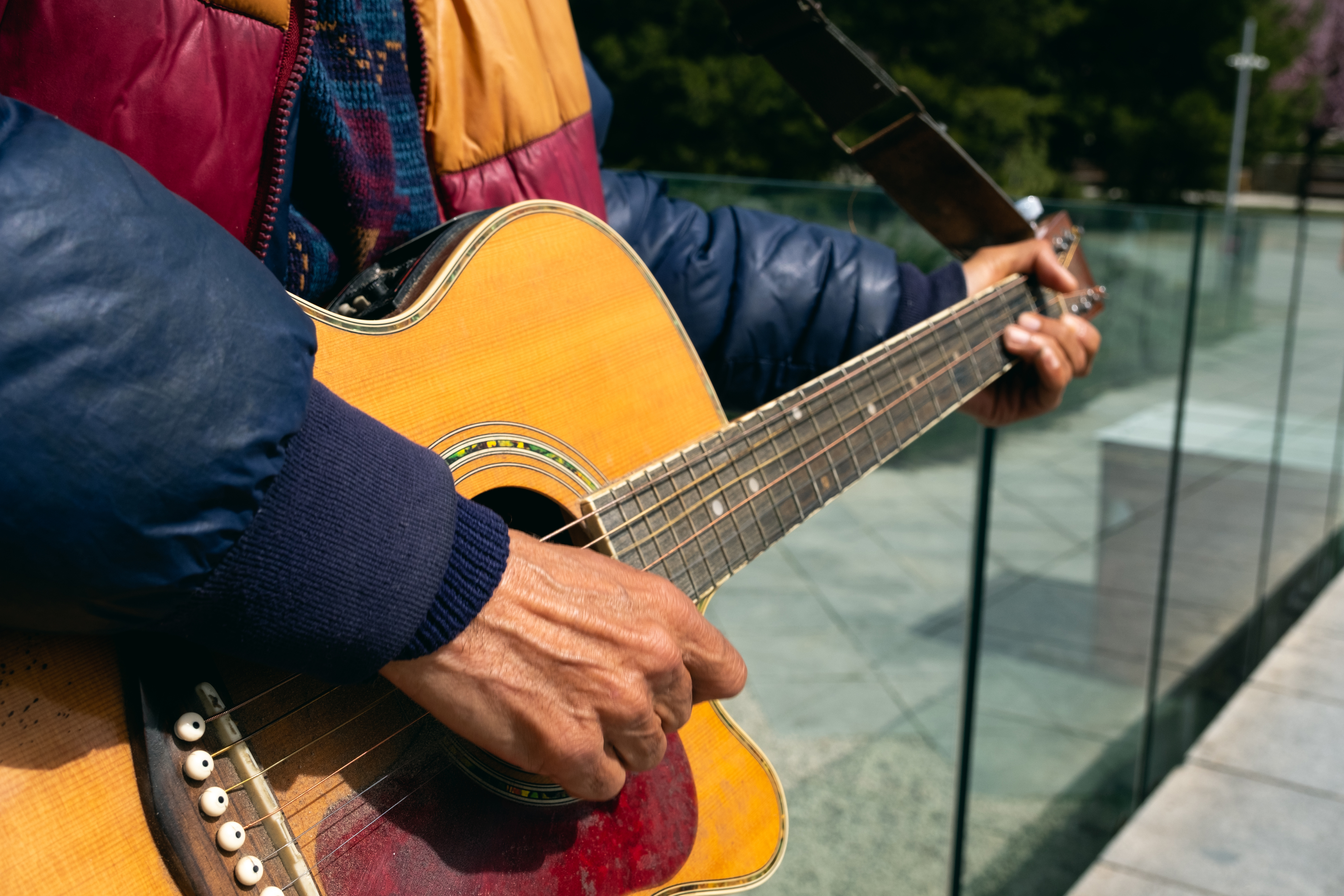
Folk music is a many-splendoured thing in Georgia, with regional variations and age-old traditions that still inspires modern music today
Georgian folk music is one of the country’s cultural crown jewels, with a fascinating history of ancient ecclesial and folk singing. Georgian indigenous music is an integral part of oral transmission—most often by villagers passing down stories from generation to generation. Indeed, Georgia’s music is such a unique tradition that it’s classified as a UNESCO-protected Intangible Cultural Heritage of Humanity. Even today, its rich a cappella style can be heard in everyday Georgian life, especially at celebrations and supras (feasts) marked by toasts and storytelling. And even within its borders, the sheer range and variety of Georgian folk music is incredible.
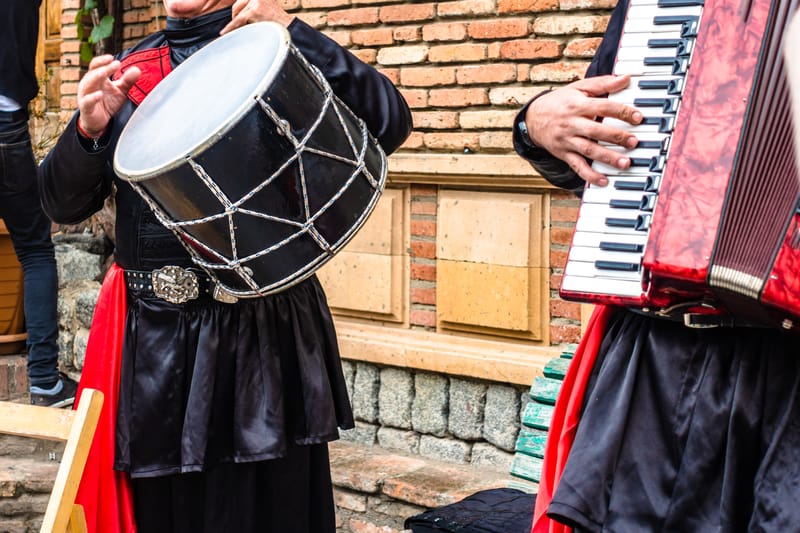
Across the country, Georgian polyphonic music—generally three vocal ranges sung together—has different characteristics in different regions. Traditionally, choirs have been all-male, but co-ed or all-women choirs have become more common. The material is vast, encompassing everything from historical tales to personal rituals, everyday songs for working or travelling (Shemokmedura is a famous post-work song), and of course, songs for courtship and dancing. The orovela is a specific type of work song from the eastern part of Georgia. There’s a type of polyphonic singing called krimanchuli from western Georgia that’s similar to yodeling, sometimes called “Georgian jazz”. And in northwestern Svaneti province, polyphonic songs here are particularly dissonant, with irregular harmonies, and usually accompany traditional dancing.
We had a quick chat with Nino Naneishvili, a Georgian ethnomusicologist and founder of the all-women’s choir, Ialoni.
Can you tell us a bit about your background, and how you became interested in ethnomusicology?
From childhood, I grew up in a family where everybody was interested in Georgian culture and music. I studied in music school, and I was a participant in a group of chanters—this was in the 1990s. These years were an emotional time for our country in a patriotic way, just after the Soviet Union collapsed. There was a new wave of patriotism, which was connected to the identity of our culture. Folk music and the traditional church music was performed in schools where children could sing in ensembles. Around this time I was six years old and I started to perform in the children’s ensemble. When my teachers and parents discovered that I had talent in music, they helped me to decide to go to the [Tbilisi State] Conservatoire. I was a pianist at first. I never stopped to think about, or hear, Georgian traditional folk music. After I graduated, I discovered that I was more interested in my own country’s music, rather than classical music. I decided to go on to do an MA at the Conservatoire, in church music, and I wrote my MA about Easter church songs. After I graduated with my MA, I felt like I wanted to continue researching this theme. At this moment, I’m working on my PhD at the state university in Tbilisi.
One of my favourite memories of Georgian folk music from childhood was a very nice performer, Hamlet Gonashvili. He died when he was a young age, but he had a beautiful voice. Nowadays, in my everyday life, I have rehearsals, and singing classes with my students and my ensemble. It’s my aim, I think, as to why I came into this world.
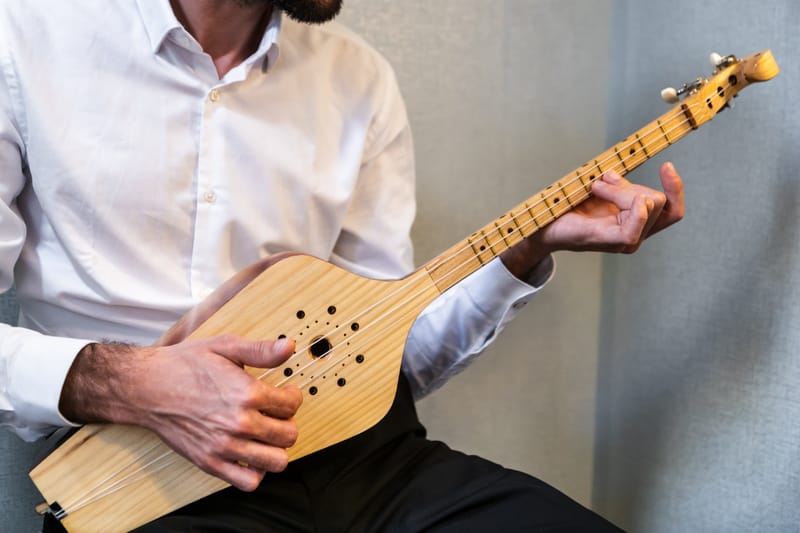
What are some of the main characteristics of Georgian folk music?
The main characteristic of Georgian folk music is polyphony. Often it’s three voices together—it’s more in a cappella, folk and church music too. It’s a miracle of diversity. Our country is so big, but it’s different in characteristics in each part. In the west part, music has different characteristics, intonation, polyphonic style, and performing style. It’s beautiful. Sometimes it’s unbelievable that this small country has so many, many colours.
Can you tell us the story of how you came to found Ialoni?
Ialoni is an emotional thing for me, because this year is our ten year anniversary. It was in 2009 when I was a student at the Conservatoire, and I felt that it was necessary for me, and for the country, to found a women’s choir which would be full of professionals, not just for a hobby. I discovered that we had many, many church songs and folk songs that needed high-level skills and high-level talent. I chose the girls from among my friends, some of them were from the Conservatoire, some of them I heard about as nice performers. It was hard work. Every day it was work. My aim was very clear—I wanted a very high-quality group. And thanks to God and thanks to collaborating with my girls, and it came. Nowadays, Ialoni is the best women’s choir in Georgia. The Ministry of Culture and State Folklore called us in 2017 and we had a lot of projects—we try to be very active and creative. We try to do new things every day and make our listeners happy.