
 Australia
 New Zealand
 United States

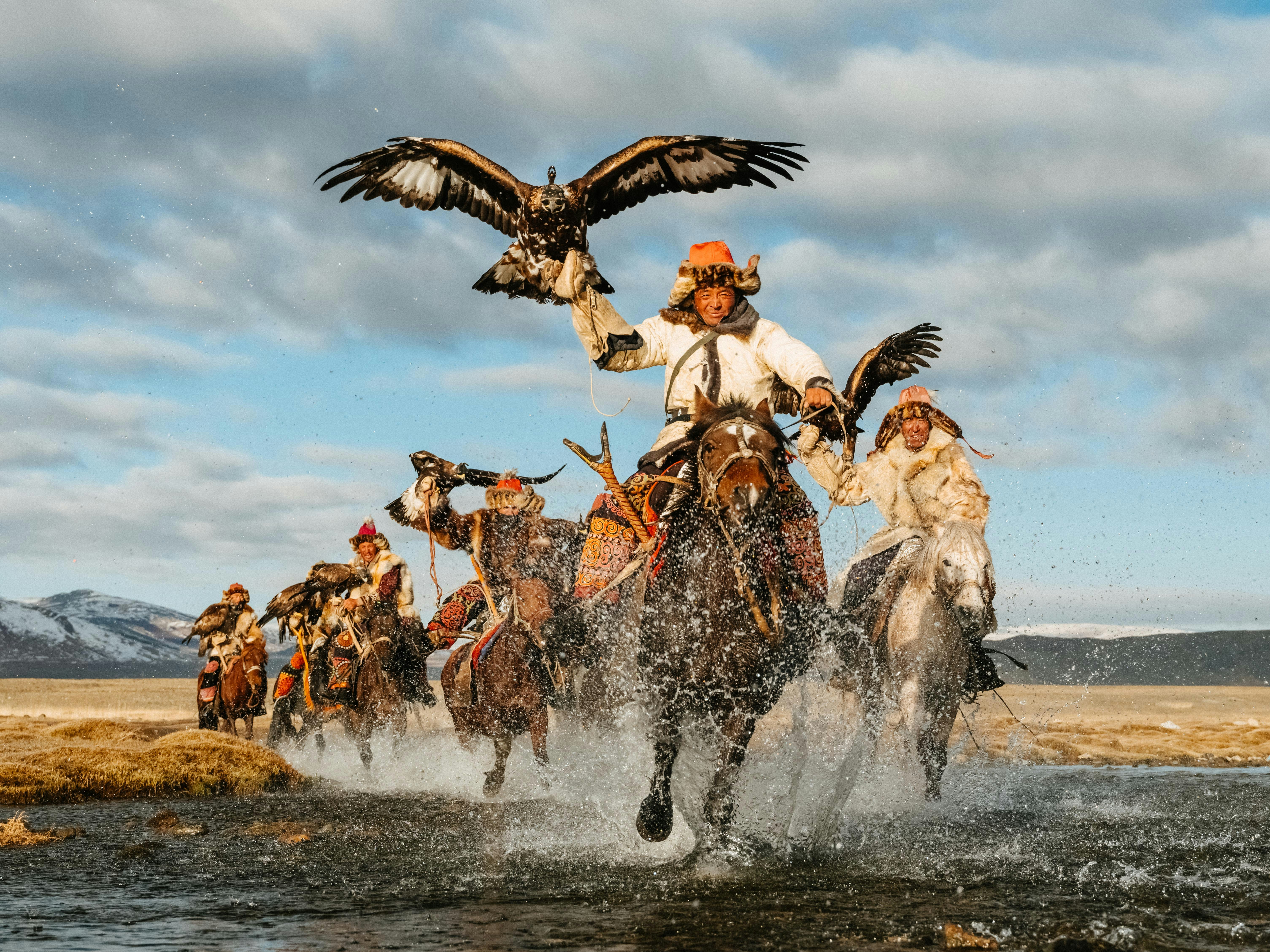
Mongolia changes completely between seasons. The steppe that’s vivid green in July is frozen white by January, and getting the timing right shapes everything from which festivals you can attend to which roads you can drive.
The best time to visit Mongolia depends on what you want, and the gap between seasons here is wider than almost anywhere else. Summer means a vivid green steppe, open roads, and Naadam celebrations on a grand scale. Autumn brings the Golden Eagle Festival in the far west and a quieter country altogether. Spring is honest about its limitations. Winter is extreme, and for the right traveller, genuinely unforgettable.
This guide covers each season honestly, with separate notes on the Gobi Desert’s different optimal windows, and direct answers on the months travellers ask about most: May, September, and April. Whether you're planning when to go to Mongolia around a specific festival or simply want the best weather, the seasonal breakdown below gives you a clear recommendation for each travel style.
Quick answer: the best time to visit Mongolia at a glance
-
June to August is peak season. Warm, green, and busy. The Naadam Festival runs 11–13 July.
-
11–13 July is the only time to see Naadam. Book ger camps and accommodation months ahead.
-
September to October is the best shoulder season. Fewer crowds, golden steppe, and the Golden Eagle Festival in Bayan-Olgii in early October.
-
May–June and September–October are the best windows for the Gobi Desert. Peak summer heat regularly exceeds 40°C (104°F).
-
April to May can work for experienced travellers who want solitude. Expect cold, dust, and variable conditions.
-
November to March is deep winter. Temperatures can fall to −40°C (−40°F). Guided tours are essential.
-
First-time visitors are best served by planning between mid-June and mid-October.

Understanding Mongolia’s climate
Mongolia’s seasons swing between extremes that define the entire character of a trip. Summers are short and warm, winters are long and brutal, and rainfall stays low year-round, giving it one of the most extreme continental climates on earth. The country’s average elevation is around 1,580 metres (5,184 feet) above sea level, which amplifies temperature swings and UV intensity.
Ulaanbaatar is consistently ranked one of the coldest capital cities in the world. January averages sit around −25°C (−13°F) and summer highs reach 35°C (95°F). That’s a swing of nearly 60°C (108°F) across the year.
How climate varies across Mongolia’s regions
Ulaanbaatar and the central steppe have the sharpest seasonal swings, with warm and occasionally wet summers giving way to dry, severe winters. This is the heartland of Mongolian nomadic culture and the base for most international itineraries.
The Gobi Desert in the south runs hotter and drier, with summer temperatures regularly reaching 40°C (104°F) in July and August. The shoulder months are far more hospitable for exploration.
The northern mountains and Lake Khovsgol sit under a Siberian influence, with alpine conditions at higher elevations that make June to August the only practical window for most travellers.
Summer (June to August): peak season
Summer is Mongolia at its most welcoming. Temperatures across the central steppe average 20–25°C (68–77°F), daylight lingers into the late evening, and nomadic families are on their summer pastures with ger camps fully operational. It’s the best time for horse trekking, cultural encounters, and wilderness camping.
The trade-off is crowds. Naadam week in July is the year’s busiest period, with popular ger camps in the Orkhon Valley and Gorkhi-Terelj National Park filling months in advance. If July is your window, plan early.
The Naadam Festival (July): Mongolia’s biggest event
Naadam is Mongolia’s national festival, held annually from 11–13 July to celebrate the country’s independence through three traditional disciplines: wrestling, archery, and horse racing. The main events take place at the National Sports Stadium in Ulaanbaatar, with regional festivals running simultaneously across the country, and UNESCO recognised the festival as an Intangible Cultural Heritage of Humanity in 2010.
Between Naadam events, Ulaanbaatar is worth a day or two. The Gandan Monastery, Mongolia’s largest and most important Buddhist site, makes for an easy morning visit, and the National Museum of Mongolia is worth pairing with it for cultural context.
For help building a bespoke itinerary around Naadam, visit our tailor-made tours page.

Autumn (September to October): the hidden sweet spot
Autumn is the season most experienced Mongolia travellers quietly recommend. By September, the summer crowds have thinned, temperatures settle into a comfortable 5–20°C (41–68°F), and the steppe shifts from green to copper-gold. The country feels quieter and more open, and with peak season behind you, the logistics are considerably easier.
October brings one of the world’s most remarkable cultural events: the Golden Eagle Festival in Bayan-Olgii.
The Golden Eagle Festival (October): a once-in-a-lifetime spectacle
The Golden Eagle Festival runs in the first or second weekend of October in Bayan-Olgii, a remote western province where Kazakh communities have practised eagle hunting for generations. Hunters, known as berkutchi, compete with their trained birds in tests of speed, agility, and command across a dramatic Altai mountain backdrop.
Getting there takes commitment. Bayan-Olgii requires a domestic flight from Ulaanbaatar of around two hours, or a lengthy overland drive, and both flights and accommodation in the region fill fast around festival dates. But the remoteness is part of the appeal.

Spring (April to May): shoulder season with caveats
April arrives cold and dusty, with temperatures hovering around 0–10°C (32–50°F) and strong winds across the open steppe. The landscape is post-winter brown, some ger camps aren’t yet open, and road conditions in remote areas can be difficult.
May is more forgiving. Temperatures climb, the landscape starts to green up, and more infrastructure comes online. This makes this shoulder month a good option for experienced travellers who value solitude. For first-time visitors, June is a more reliable start.
Winter (November to March): for the adventurous traveller
Mongolian winter is extreme, with temperatures in Ulaanbaatar averaging −25°C (−13°F) in January and dropping to −40°C (−40°F) in the countryside, where the steppe stretches out as a vast, white silence broken only by the wind.
What draws travellers to Mongolia in winter are experiences available at no other time of year: dog sledding, ice fishing, eagle hunting visits, and Tsagaan Sar, the Mongolian Lunar New Year celebrated in January or February. Inside a nomadic ger with the stove burning and temperatures far below zero outside, the warmth feels like something entirely earned.
Guided tours are strongly recommended for any winter itinerary, as road conditions are severe, distances between destinations are vast, and rural infrastructure is limited. Proper cold-weather gear, rated to extreme temperatures, is essential.

Best time to visit Mongolia by activity
Best time for the Naadam Festival
Running from 11 to 13 July every year, Naadam warrants at least ten days in your itinerary to take in the festival and explore beyond Ulaanbaatar. Ger camps and hotels in the capital fill months ahead, so book as early as possible, especially for the main stadium events.
Best time for horse trekking and nomadic life
June to September is the best window for horse trekking, with nomadic families on their summer pastures from roughly May and encounters with herding communities that feel natural and rewarding. Gun Galuut Nature Reserve, 130 kilometres (81 miles) southeast of Ulaanbaatar, combines steppe, wetlands, mountains, and rivers in a compact area and is one of the best places for wildlife encounters outside the capital.
Best time to visit the Gobi Desert
The best time to visit the Gobi is May to June or September to October, before or after peak summer heat that regularly exceeds 40°C (104°F) and makes daytime exploration uncomfortable. The shoulder months bring milder temperatures and far more hospitable conditions for dune walks, camel riding, and overnight stays in the desert.
Best time for the Golden Eagle Festival
Flights from Ulaanbaatar to Bayan-Olgii take around two hours but fill fast ahead of the festival’s first or second weekend in October, and accommodation in the province sells out well in advance. We recommend building at least a week into your itinerary to allow for the journey and time to explore the Altai region.
Best time for photography
September and October bring golden steppe light and the visual richness of the Golden Eagle Festival, while July delivers Naadam’s colour, costumes, and open-steppe horse racing. Winter offers dramatic frozen landscapes and frost-covered horses, provided you’re prepared for the cold and limited daylight.

Plan your Mongolia trip with Inspiring Vacations
Our Mongolia Unveiled tour covers the country’s highlights, from Ulaanbaatar and the central steppe to the Gobi Desert and nomadic ger stays. Timing your trip around Naadam or the Golden Eagle Festival? Our Tailormade team can build an itinerary around the specific dates you need.
Frequently asked questions
Planning your Mongolia itinerary? Here are the questions travellers ask most.
Is May a good time to visit Mongolia?
May is workable but comes with caveats. It’s still cold, often dusty, and some ger camps in remote areas aren’t yet open. June is a more reliable starting point for first-time visitors: noticeably warmer, greener, and with more accommodation options across the steppe.
Is September a good time to visit Mongolia?
September is one of the best times to visit Mongolia. Crowds have thinned, temperatures are comfortable at 10–20°C (50–68°F), and the steppe turns golden. It also leads directly into the Golden Eagle Festival period in early October, making it ideal for travellers who want to combine the two.
Is April a good time to visit Mongolia?
April isn’t recommended for first-time visitors. It’s cold, windy, and the landscape is still brown from winter. Some ger camps aren’t yet open and remote roads can be difficult. Experienced travellers who value solitude may find it appealing. For most people, June onwards is a far better introduction.
What month is cheapest to visit Mongolia?
Winter (November to March) generally offers the lowest prices, reflecting both the conditions and lower demand. May and October offer savings over peak summer without the full winter challenge. July is the most expensive month, with Naadam pushing accommodation prices to their annual peak.
Can you visit Mongolia in winter?
Yes, and it’s rewarding for the right traveller. Mongolia in winter means dog sledding, ice fishing, eagle hunting visits, and Tsagaan Sar celebrations. Temperatures fall to −25°C (−13°F) in Ulaanbaatar and lower in the countryside. Guided tours are strongly recommended and independent travel in rural areas carries real risk.