 Australia
 New Zealand
 United States

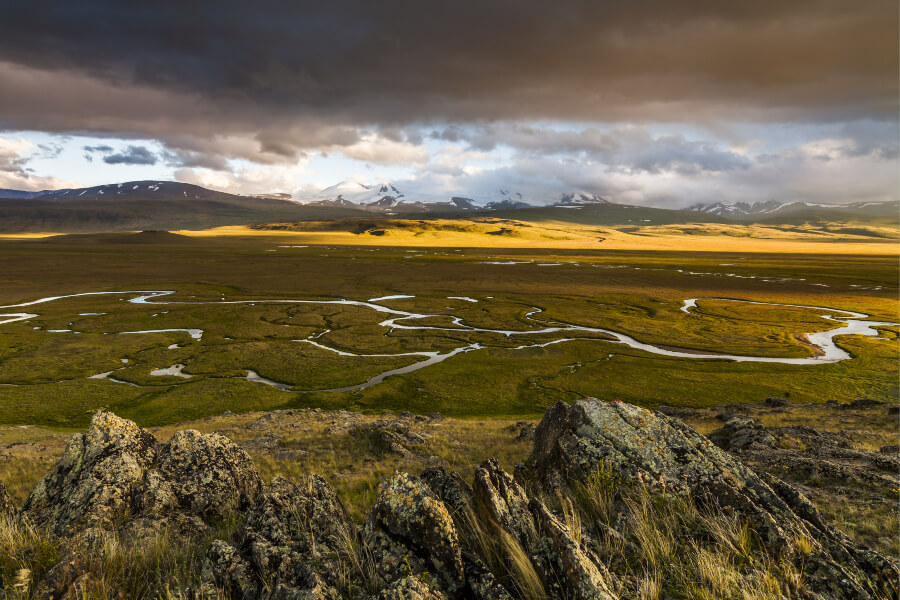
Mountains, steppes, rivers and wetlands - Mongolia’s heartland
Around two and a half hours drive south-east of Ulaanbaatar is Gun Galuut Nature Reserve. The Reserve is surprisingly small in terms of the geographical area it covers but the range of ecosystems it houses is vast. Lakes, mountains, rivers, steppes and wetlands can all be found in this remote location 130 kilometres from the capital, that has attracted a plethora of rare and endangered species. Many of the animals and birds the call Gun Galuut home are threatened globally with some species seen here such as the Siberian Crane on the critically endangered list. This makes the Reserve a key destination for bird watchers, researchers and conservationists.
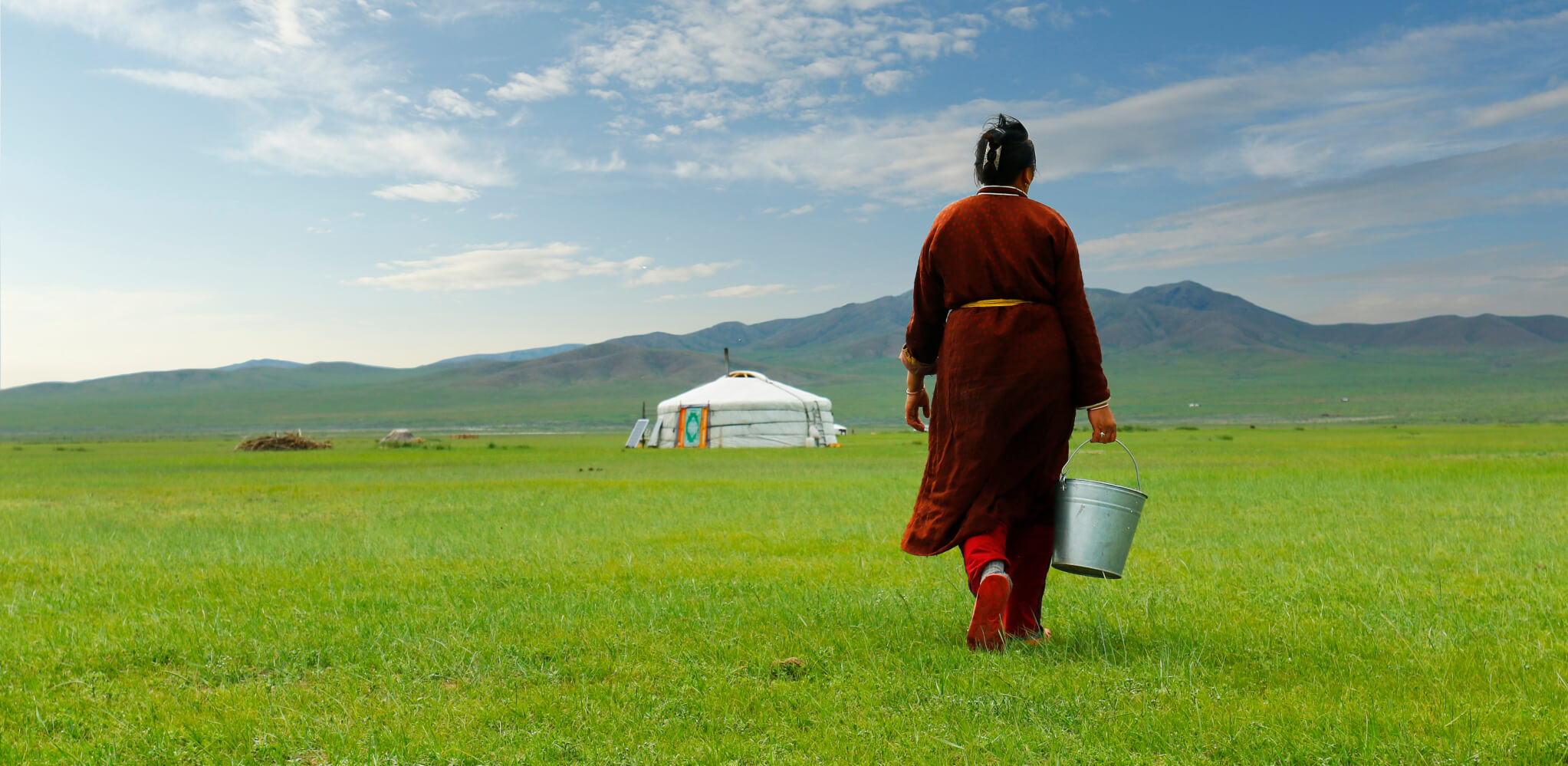
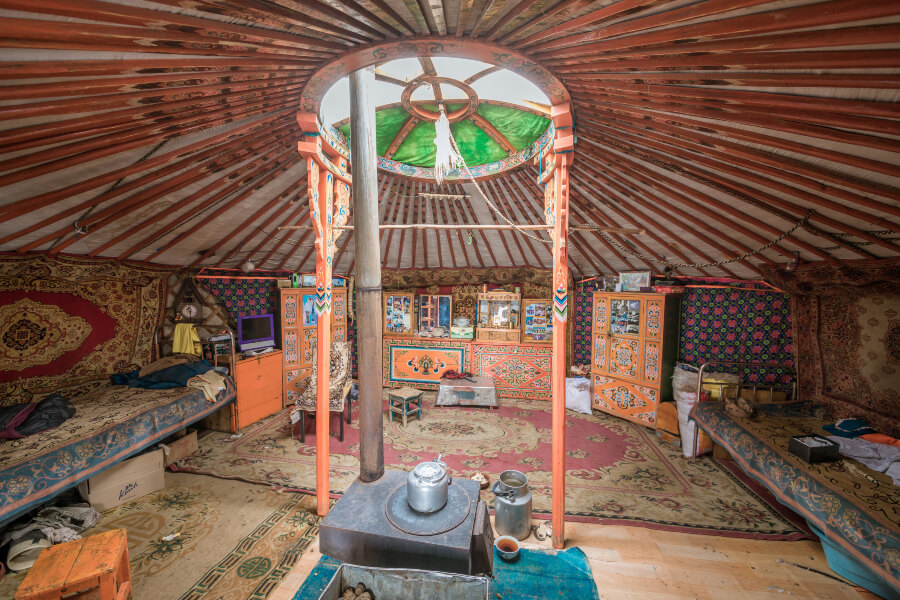
The Reserve is split into three types of area, one that is open to tourists, another with restricted access, and a third that is closed to the public and dedicated to preservation and conservation. Guests visiting the stunning Reserve are encouraged to hike around in the day before camping out in a traditional Mongolian ger – or tent – at night having eaten under the stars.
Mountains
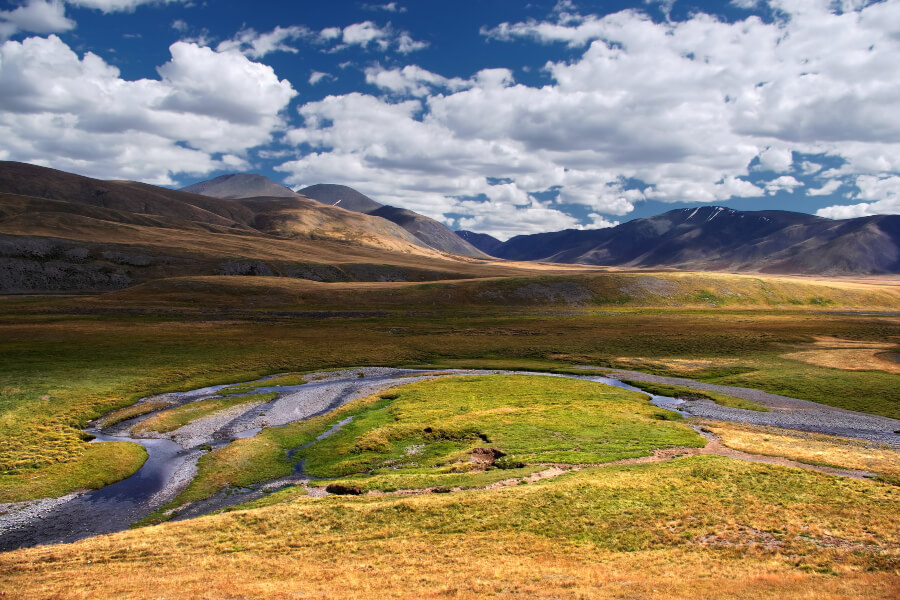
The reserve naturally sits quite high at 1,200 metres above sea level and the highest point is found at Mount Baits (1631 metres) in the centre of the Reserve. Berkh Mount at 1631 is only slightly lower but is less accessible on the southern edge of the reserve. Visitors can either hike up Mount Baits on foot or take a horse to the top as the locals do. The craggy landscape is an ideal place to spot the Argali – an incredibly rare breed of Mongolian wild sheep that is native to the area. As well as sheep, grey wolves, foxes, lynx and manuul – a local wild cat – all live around the rocky mountain hunting for hare, marmots and mice.
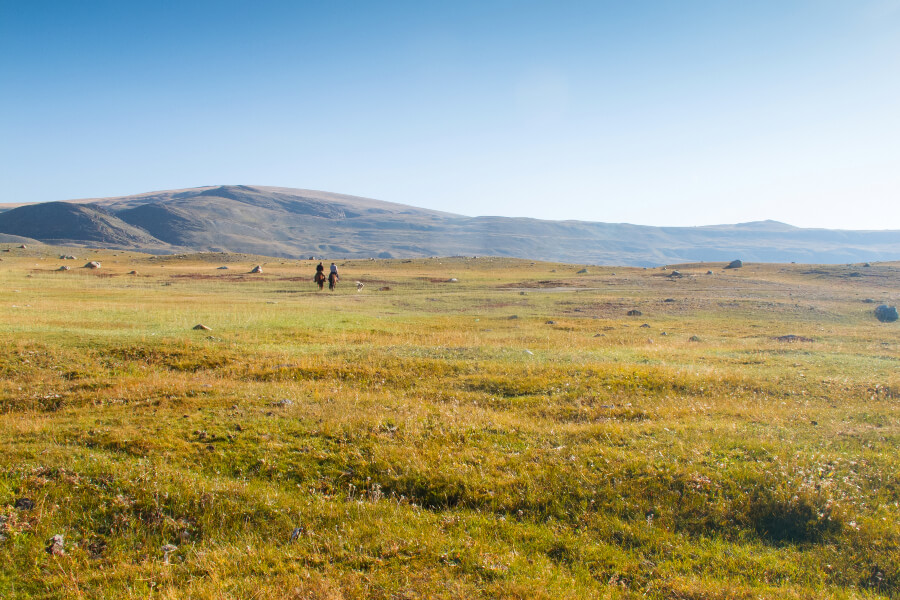
In the skies, the small mammals have other predators in the form of steppe eagles, golden eagles, saker falcons, kestrals and buzzards.
The steppe and wetlands
Most of the reserve is made up of open grassy steppe that on first glance looks desolate but is, in fact, teeming with life. Larks including the Mongolian lark, the Calandra lark and the horned lark fill the skies over the grasslands, picking off insects that thrive where the steppe meets the wetlands. Often birds such as the rare white-naped crane, of which there are only though to be 3,000 left globally, can be seen at the Tsengiin Burd wetland who come here to nest and lay their eggs.
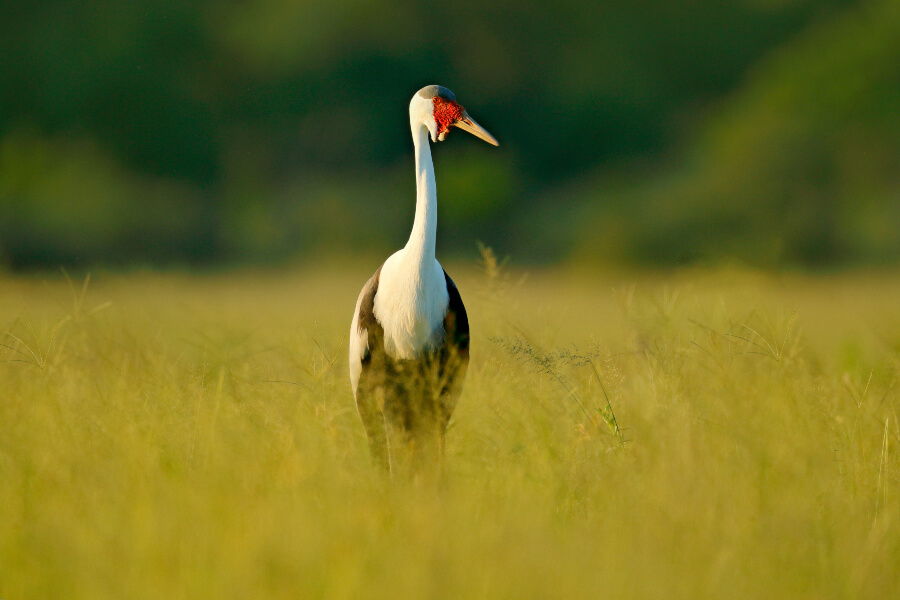
The underground streams that run beneath the Reserve emerge at Delberkhii wetland and feed the nearby lakes. The warmer water also creates fertile soils that attract many birds including the hooded crane and the swan goose.
The lakes
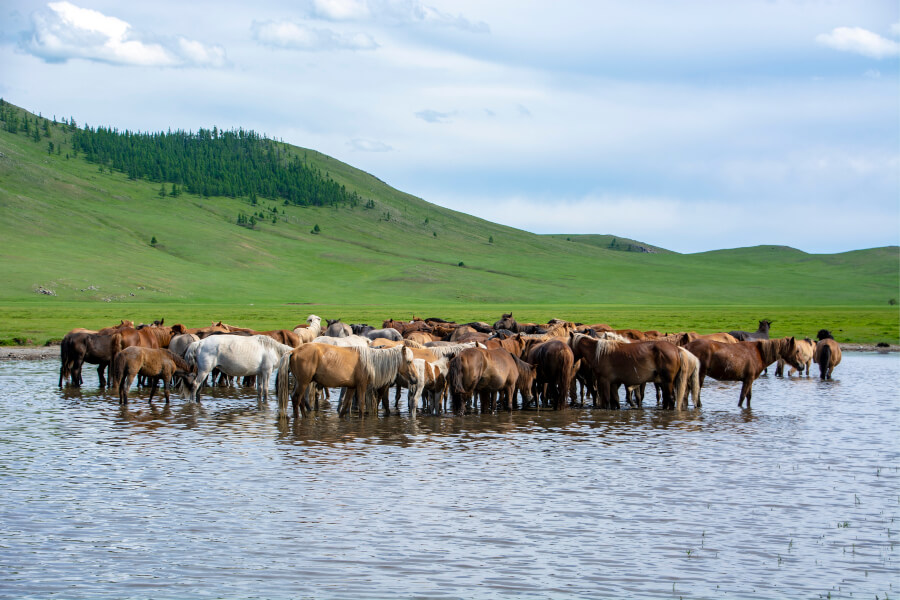
The largest of the many lakes of Gun Galuut Nature Reserve is Lake Ikh Gun, which is intersected by a narrow strip of land which visitors can drive through, allowing guests the chance to get up close to many of the bird species that live on the shores of the lake. At the nearby but smaller Lake Ayaga a number of ducks, geese, swans and the rare black storks who feed on the many species of fish in the clean waters, can also sometimes be spotted.
The rivers
The Kherlen River is the longest river in Mongolia and many of its tributaries such as the Ayaga, Shinebulag, Galuutai Rivers all flow through the Reserve. Visitors can enjoy the beautiful scenery while fishing for taimen, lenok, amur pike, the burbot, or the flathead – all of which are found here.