
 Australia
 New Zealand
 United States

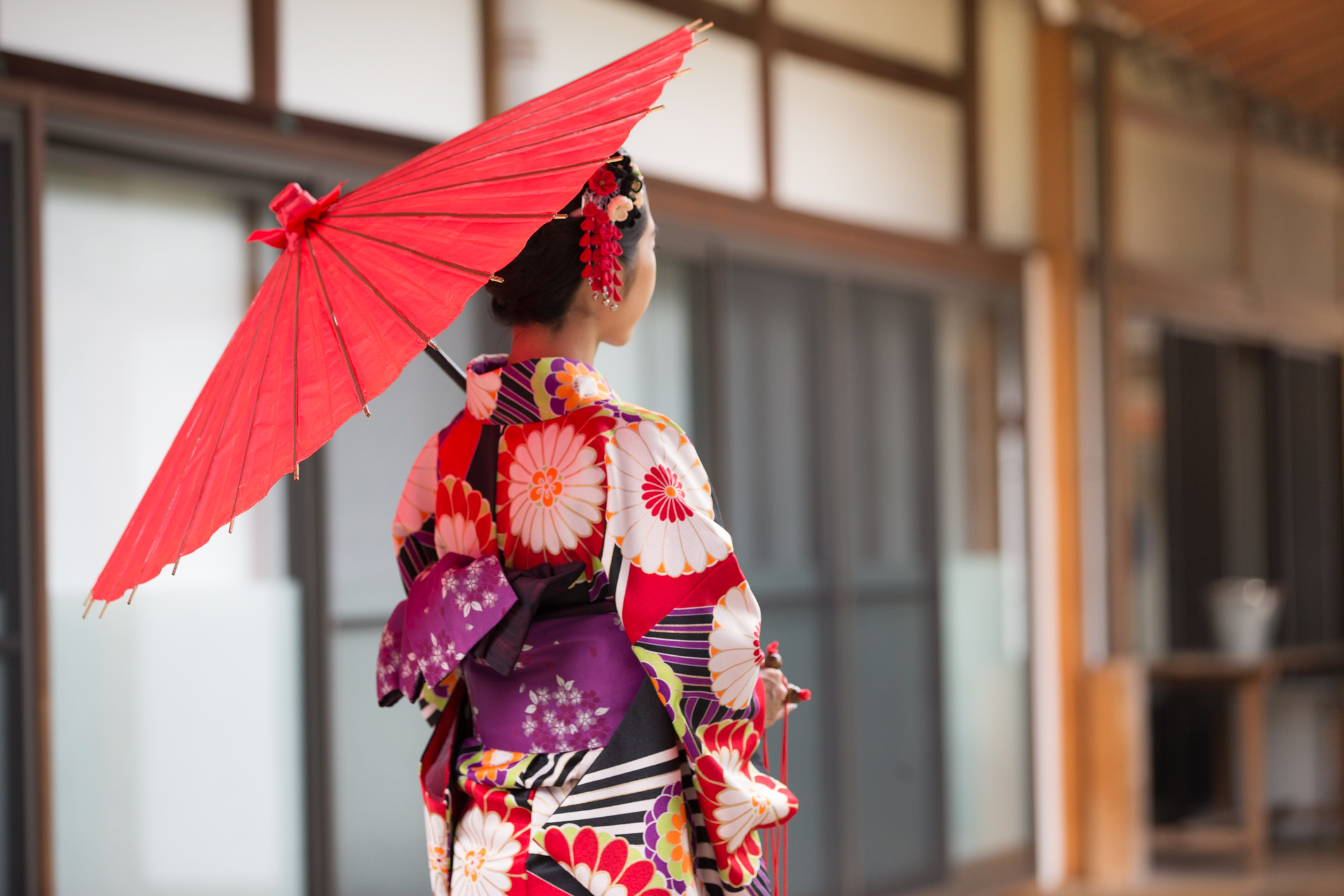
A free afternoon in Kyoto is all you need to experience a meaningful slice of Japan’s cultural heart: wandering historic streets, visiting temples and enjoying local food along the way Compact and easy to navigate, Kyoto rewards even short visits, especially in districts like Higashiyama where many of the city’s most iconic sights sit within walking distance.
You’ll never be bored in Kyoto; Japan’s ancient capital is brimming with things to do. Even if you only have one half-day in Kyoto, it’s possible to explore its highlights and soak up its charm.
Kyoto is a traveller’s dream. It’s safe, easy to navigate and well-connected to public transport. Its status as Japan’s former imperial capital means it’s home to exquisite relics such as the Imperial Palace and Nijo Castle, a lavish residence from the Shogun era. Alongside these architectural delights are outdoor attractions like Arashiyama Bamboo Grove (located in western Kyoto, on the opposite side of the city to Higashiyama) and some of the best food in Japan.
Some free time in Kyoto allows you to uncover a meaningful slice of the city’s culture, from quiet temples tucked away to busy streets and market places filled with the scent of freshly grilled street food. Even a short visit can feel immersive and memorable.
If you’re keen to follow a plan on foot or simply lose yourself in Kyoto’s hidden corners, here’s how to spend a free afternoon in Kyoto.
Start in the Higashiyama district
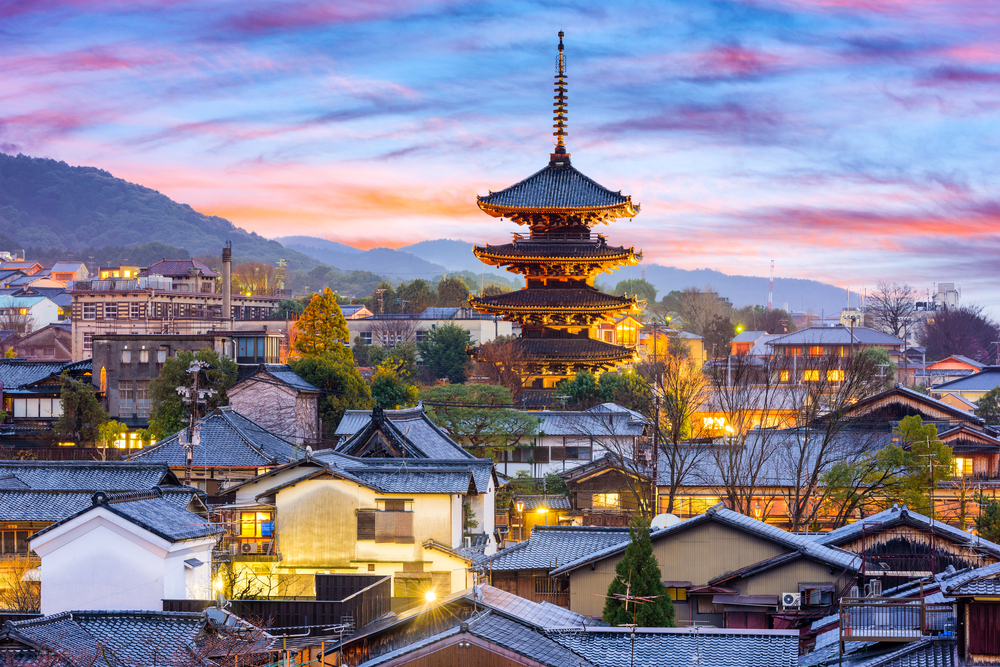
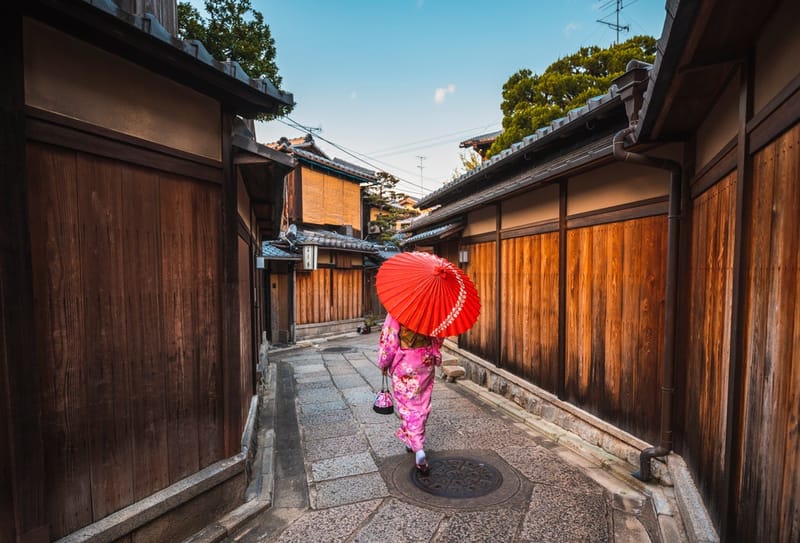
Higashiyama Kyoto ward or district is a hilly area in eastern Kyoto. With streets full of traditional tea rooms and wooden, gable-roof buildings, it’s as close to jumping back in time as you can get.
This part of Kyoto is particularly popular for first-time visitors, thanks to its preserved streetscapes and proximity to some of the city’s most famous cultural landmarks—it’s like stepping inside a postcard! Expect a lively atmosphere, especially in peak travel seasons such as cherry blossom in spring and autumn foliage in November.
Start on Kiyomizu-Zaka Street and follow the flow of foot traffic uphill towards the pagoda. Along the pedestrian path, you’ll find shops selling souvenirs, sweets and locally made pottery. This is the place to grab a fan or a pair of hand-carved chopsticks for your loved ones at home.
Even if you only have a short time in Kyoto, exploring Higashiyama offers a compact yet rich experience of traditional streets, temples and local cuisine.
If you’re arriving by public transport, buses from Kyoto Station will bring you within walking distance, making this an easy starting point for relaxed Kyoto sightseeing.
Stop for a kimono fitting
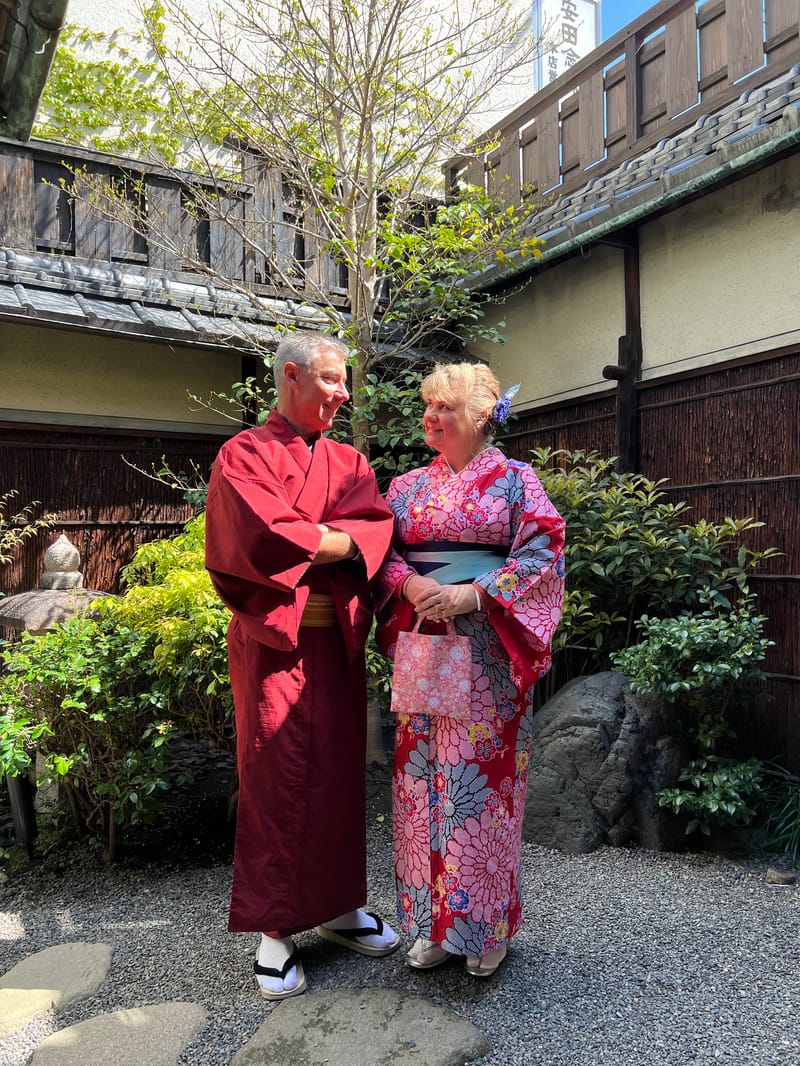
What better place to try on Japanese garb than in the historic heart of Kyoto? There are many kimono rental shops throughout the district, and Okamoto, whose roots trace back to a textile business founded around 1830, is often cited as one of the oldest kimono brands in the city.
The store offers many different rental packages, depending on whether you’re looking for a basic kimono, an obi belt and bag, or you’re willing to shell out for a full outfit, including hair accessories, socks, and wooden sandals. It’s a good idea to allocate one to two hours for your fitting. Many rental stores also offer assistance with dressing and styling, making the process straightforward, so rest assured if it’s your first time wearing traditional Japanese clothing.
Wearing a kimono while exploring Higashiyama adds an extra layer to the experience, helping you feel more connected to the area's traditions. You’ll likely see many other travellers and locals dressed in seasonal fabrics, particularly during festivals or peak sightseeing periods.
Make your own tofu for lunch at Okabeya
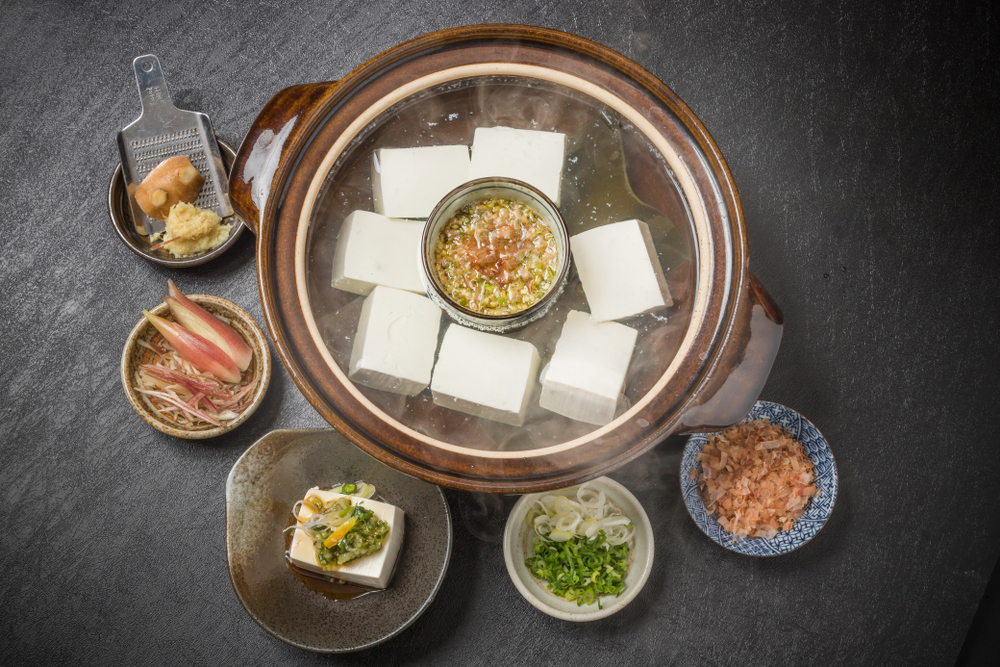
Kyoto is known for its high-quality tofu, thanks to its fresh mountain spring water and thriving soybean crops. Tucked off Kiyomizu-Zaka Street, Okabeya is the place to try many different tofu dishes, including traditional favourites like yudofu (tofu boiled in seaweed stock) and miso-glazed dengaku tofu. Or, prepare the tofu yourself, right at your table.
The eatery offers diners the option to make their own tofu by stirring house-made soy milk on a hot plate and mixing in nigari powder until the mixture begins to firm. Enjoy your fresh tofu while steaming hot with a cup of sencha green tea.
Dining in Kyoto is as much about the experience as it is about the food, and meals like this highlight the city’s focus on simplicity, seasonality and craftsmanship. Even a humble ingredient like tofu is elevated through careful preparation and high-quality local produce, making this one of the top Kyoto food experiences.
If you’re new to tofu (or have never tried Japanese tofu), this is an approachable and memorable way to try it, with flavours that are delicate yet deeply satisfying.
For travellers looking to make the most of a free afternoon in Kyoto, including a hands-on tofu experience is a (surprisingly) delicious addition to your itinerary.
Explore Kiyomizudera Temple
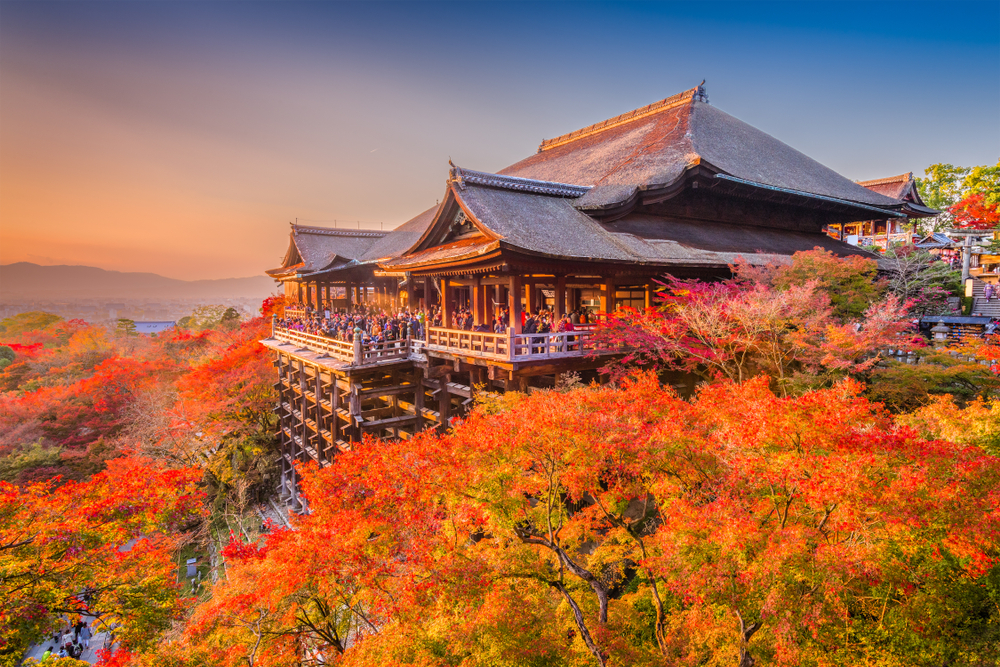
Continue up Kiyomizu-Zaka Street and you’ll eventually come to Kiyomizu-dera Temple. Originally founded in 778, with many of its current structures dating to the 17th century, this treasured Buddhist temple has sat on the wooded slopes of Mt Otowa for over 1000 years. While Kiyomizu-dera Temple’s original structures have been damaged by fire many times throughout its history, most of the current buildings still date back to the 17th century.
The temple is best known for its large wooden stage, which extends out from the main hall and offers sweeping views over Kyoto. Depending on the season, you may be treated to cherry blossoms and other blooms, lush greenery or colourful autumn leaves.
Take a moment to explore the surrounding grounds, including the Otowa Waterfall, where visitors drink from streams believed to bring health, longevity and success. This is a must-see stop for anyone following a short Kyoto itinerary.
Enjoy an afternoon matcha tea at Kasagiya
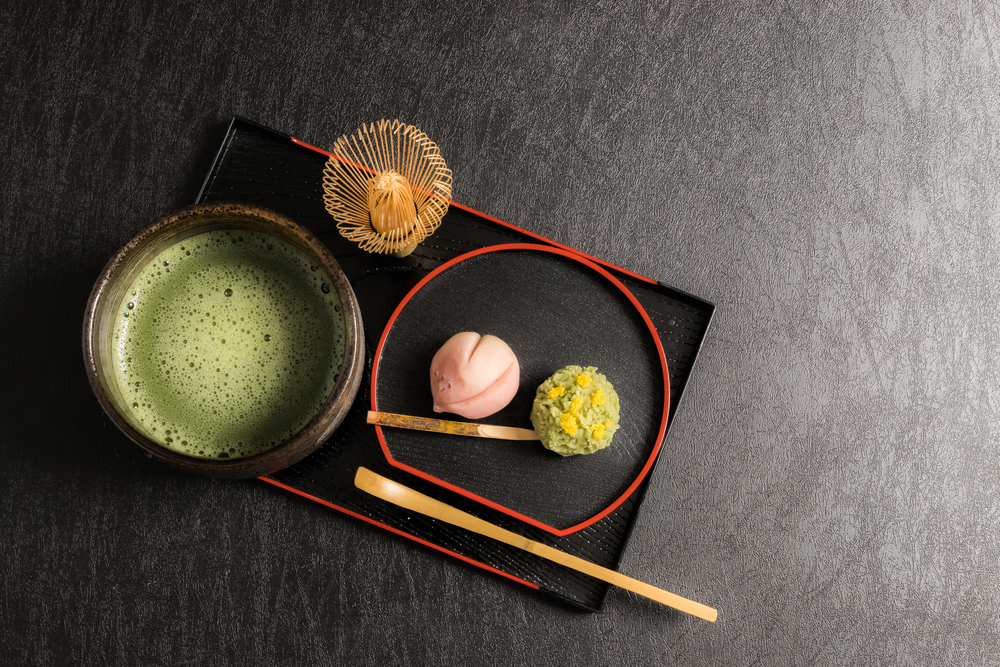
Cap off your afternoon at a Japanese tea house. There are plenty of places to relax with a cup of matcha tea around Higashiyama, but Kasagiya has been serving hot drinks and wagashi (confections) for over 100 years. Head to this quaint cafe to sample tea with house-made ohagi (glutinous rice and sweet red bean paste).
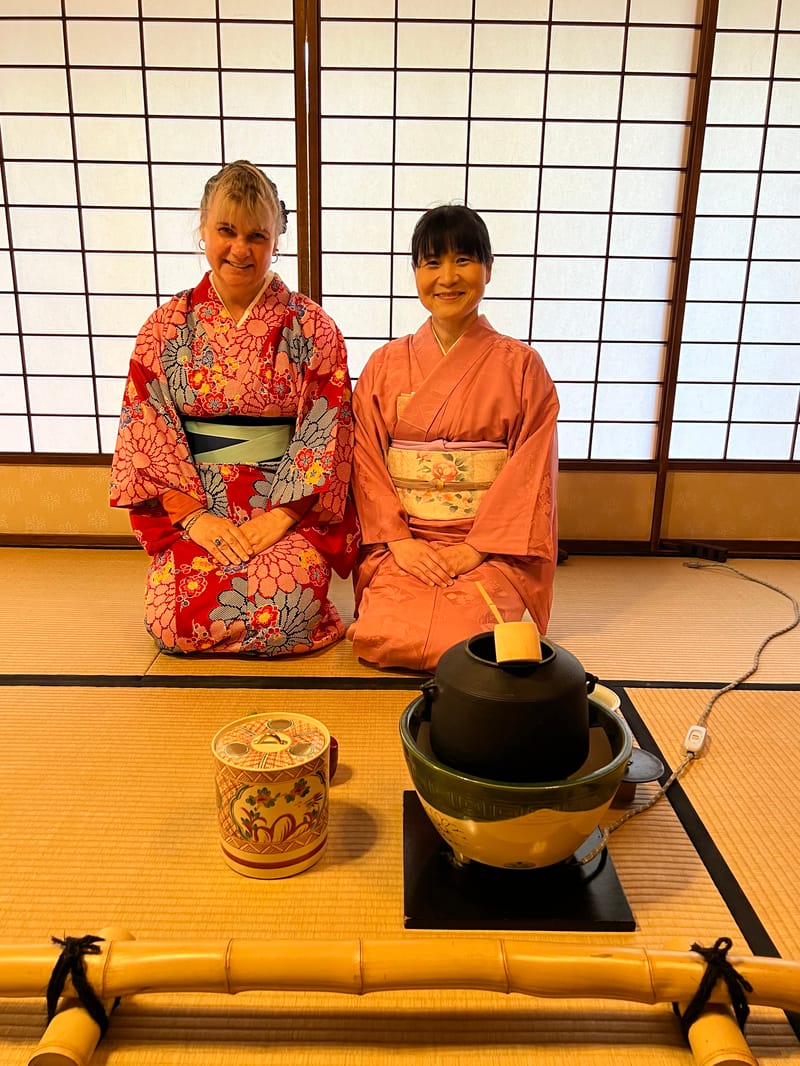
Sitting down for tea offers a welcome pause after a busy afternoon of walking, giving you time to reflect on the sights and experiences of the day. The calm, unhurried atmosphere of a traditional tea house is a defining part of Kyoto’s charm.
If you’re unfamiliar with matcha, expect a rich, slightly bitter flavour that pairs perfectly with sweet wagashi. It’s a simple yet memorable way to end your time in Higashiyama.
Even if you don’t follow every stop, this part of Kyoto rewards curiosity. Whether you spend your free afternoon in Kyoto shopping, sightseeing, or simply soaking up the atmosphere, this mini Kyoto travel guide highlights the city’s historic streets, temples and food. What’s not to love?
Frequently Asked Questions
Still planning your time in Kyoto? Here are answers to some of the most common questions travellers have before exploring the city.
1. Is one afternoon enough to explore Kyoto?
While Kyoto deserves several days, one afternoon is enough to experience a snapshot of its culture, especially in areas like Higashiyama, where many attractions are within walking distance. Focusing on one district allows you to enjoy the atmosphere without feeling rushed, making this ideal for a short Kyoto afternoon itinerary.
2. What is the best area to visit in Kyoto for a short trip?
Higashiyama is one of the best areas to visit if you’re short on time. It combines historic streets, temples, shops, and local food experiences all in the Higashiyama district of Kyoto, making it ideal for a half-day itinerary.
3. Can tourists wear kimonos in Kyoto?
Yes, Kyoto kimono rental is a popular experience, especially in historic districts like Higashiyama. Many rental shops offer full packages, including dressing assistance, making it easy and accessible for travellers.
4. How do you get to Higashiyama from Kyoto Station?
The easiest way to reach Higashiyama from Kyoto Station is by bus, with several routes stopping near Kiyomizu-dera. Taxis are also a convenient option, while train lines such as the Keihan Line can get you close with a short walk to the district.
5. Is Kiyomizudera Temple worth visiting?
Yes, Kiyomizudera Temple is one of Kyoto’s most iconic landmarks. Its historic wooden stage and panoramic views make it a highlight in any Kyoto itinerary, particularly during cherry blossom and autumn foliage seasons.
6. What food is Kyoto known for?
Kyoto is known for its refined and seasonal cuisine, including tofu dishes, kaiseki dining and traditional sweets. Local specialities often highlight simple ingredients prepared with great care, reflecting the city’s culinary heritage and top Kyoto food experiences.
7. When is the best time to visit Kyoto?
Kyoto is beautiful at any time of year, so there’s no single ‘best’ time to visit. Spring (March to May) and autumn (October to November) are especially popular though, thanks to the cherry blossoms and colourful foliage. Visiting early in the day or later in the afternoon can help you avoid peak crowds.
Many of our Japan tours include a free day to explore Kyoto at your own pace. On our Japan Premium Small Group Tour, you’ll enjoy a full day to wander and discover freely. Independent tours like Premium Japan By Rail with Hiroshima also include free days, while still following a thoughtfully planned itinerary.