
 Australia
 New Zealand
 United States

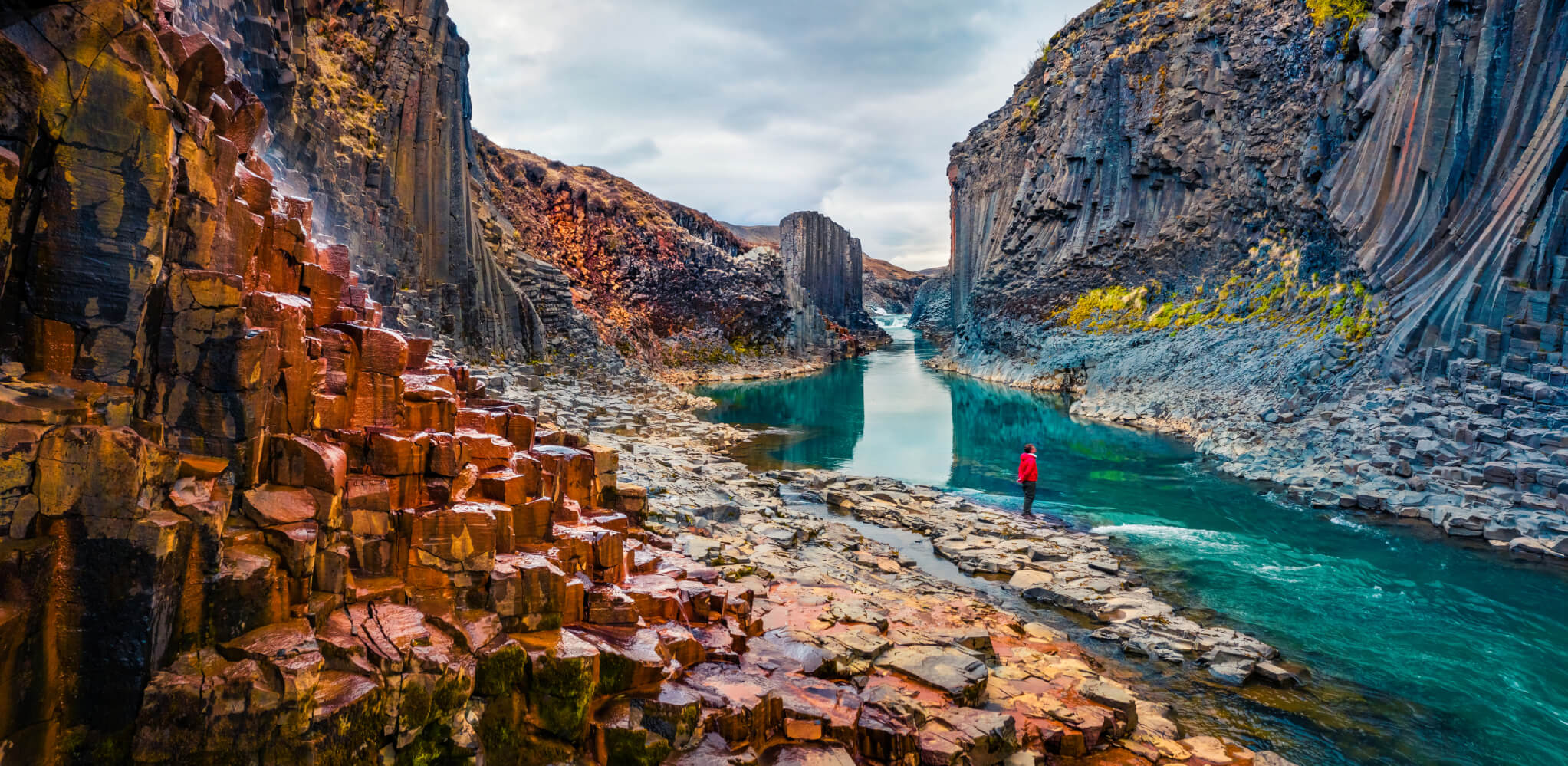
Planning your first trip? This guide to Iceland covers everything you need to know—from when to visit and what to pack to how to get around, what to eat, and how to stay safe. For first-time travellers, Iceland offers dramatic landscapes, reliable infrastructure, and unforgettable natural experiences. With the right preparation, it’s surprisingly easy to explore.
Exploring Iceland
Whether you’re visiting Iceland for the first time or have travelled to other Nordic countries and think you know what to expect, this is a destination that will surprise and delight.
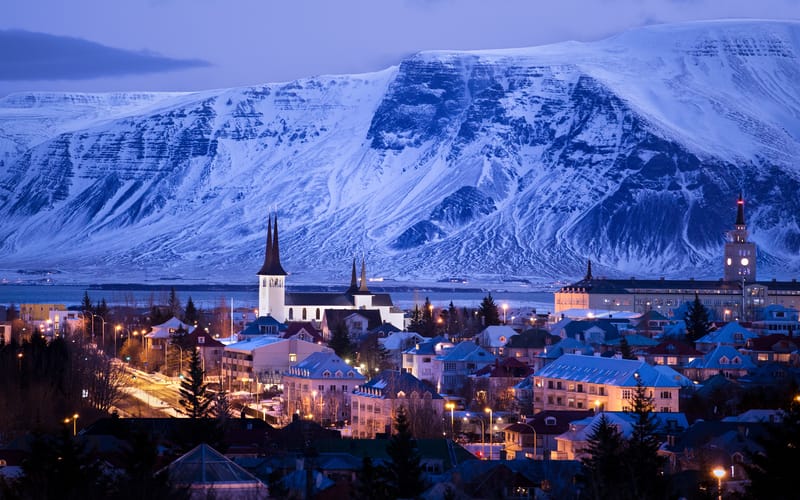
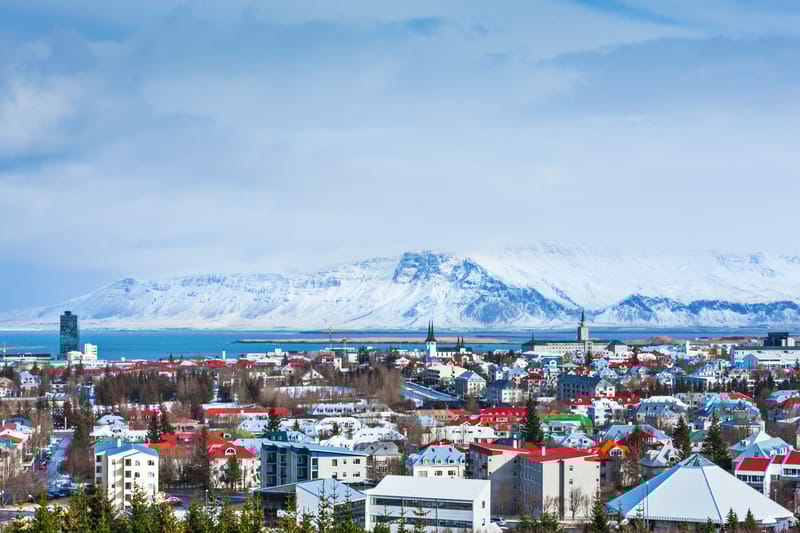
Many travellers begin in Reykjavik, where you can explore colourful streets, museums, and local culture. For those wanting to plan a trip efficiently, our Iceland travel tips include starting early, layering clothing, and checking local weather forecasts.
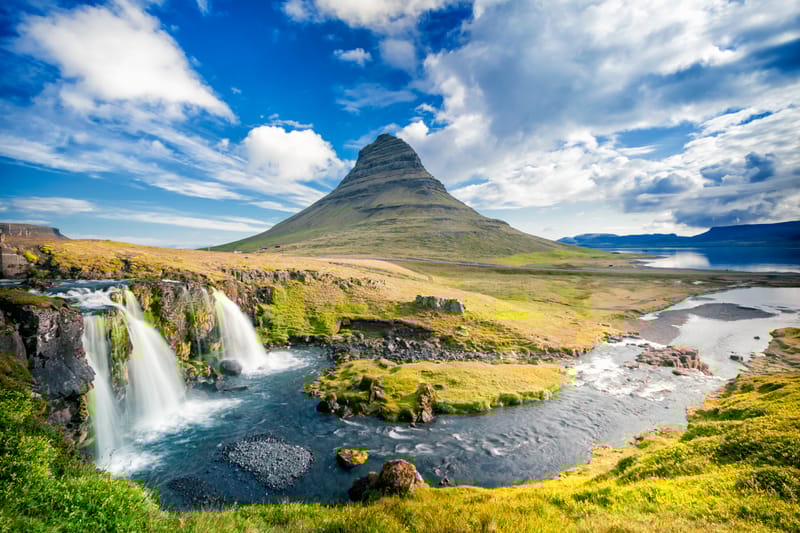
Outside the city, Iceland’s incredible scenery awaits. From the Golden Circle to the black sand beaches of Vik, it’s easy to find routes that suit first-time visitors to Iceland. Regions like the Snæfellsnes Peninsula, known for its glaciers, lava fields and coastal views, are also well worth a stop. If you’re travelling in winter, be prepared for shorter daylight hours, but the snowy landscapes offer a quieter, more atmospheric experience.
Dress for the weather and stay comfortable
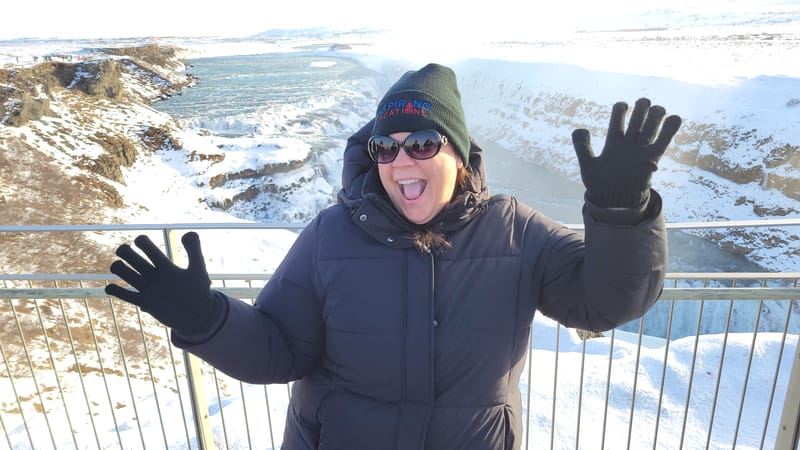
Iceland’s weather is famously changeable, so dressing in layers is essential. Pack a waterproof outer layer, an insulating mid-layer, thermal base layers, and sturdy walking shoes. Even in summer, temperatures can be cool and conditions windy, so being prepared ensures you stay comfortable throughout the day.
Don’t forget to pack a hat, gloves, and a scarf, as the weather can change rapidly, even in summer.
The good news is that the country is well prepared for this weather—and Iceland has a couple of neat innovations, such as subterranean heating systems that keep its downtown roads and pathways from icing over. For longer outdoor excursions, consider bringing a small backpack with snacks, water, and a reusable rain poncho, so you’re prepared for sudden changes in weather.
Hot pools and swimming etiquette
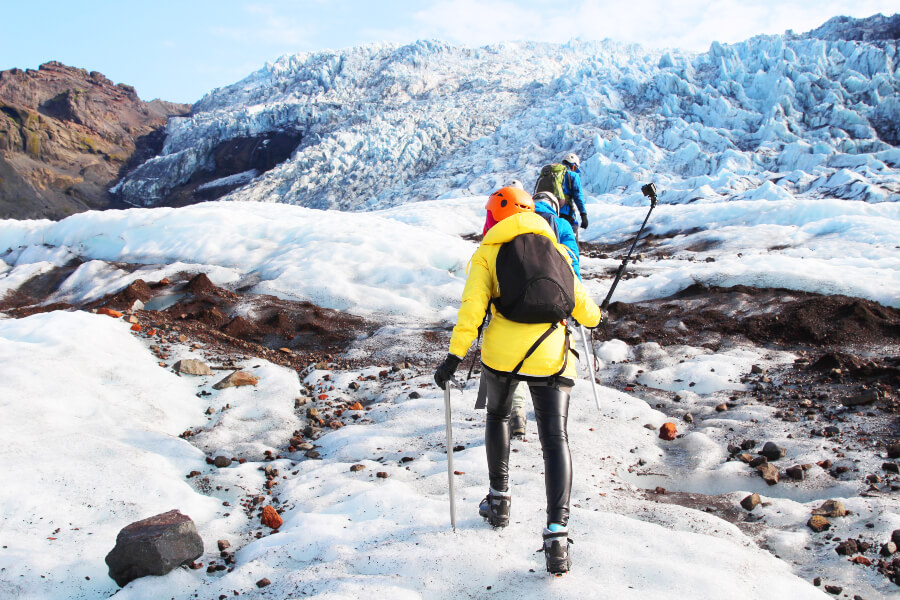
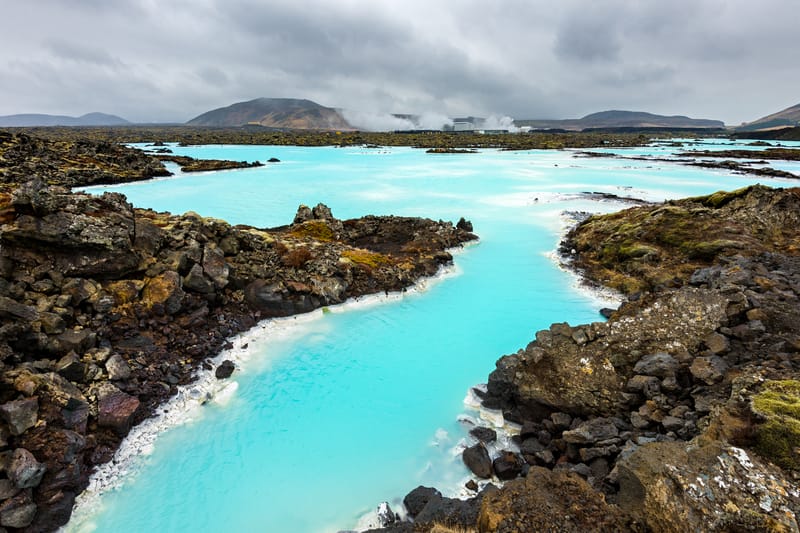
Visiting geothermal pools is a quintessential Icelandic experience. Before entering, it’s customary—and required—to shower thoroughly without swimwear. This helps maintain the pools’ cleanliness while minimising the need for chemical treatment. All in all, it makes for a more refreshing experience—as does the short walk outside before you hop in. Most pools provide soap, shampoo, and towels for rent or purchase, but it’s a good idea to bring your own if you prefer. Some hot pools are natural geothermal lagoons, which can be slightly cooler at the edges, so take your time adjusting.
Nightlife and dining hours
People dine late in Iceland and stay out later—this is partly because its location means the sun often rises and sets relatively late, and also because Icelanders love their nightlife. Locals tend to eat dinner at about 8pm and many bars don’t shut until 4am or 5am. For first-time travellers, it’s helpful to know that many cafes and casual eateries close by 10pm, so plan main meals accordingly. Bars in Reykjavik often feature live music and a lively atmosphere, offering a fun glimpse into local social life.
Food and drink in Iceland
Trying local cuisine is a key part of any Iceland travel guide, especially for first-time travellers. These tips are part of what to know before going to Iceland when exploring local food and drink.
Tap water and sustainability
Iceland is ahead of most countries when it comes to cutting down on waste and making our way of life sustainable. Because of this, everybody drinks water from taps and carries refillable water bottles. Visitors are strongly advised to do the same—bottled water is not as prevalent as it is in other countries and attempting to purchase it may be seen as wasteful. Tap water in Iceland is among the purest in the world, sourced from natural springs and glaciers, so you can refill your bottle with confidence wherever you go. If you notice a slight sulphur smell in some hot water taps, this is normal and due to geothermal heating—cold tap water is unaffected and perfectly fresh to drink.
Traditional Icelandic food
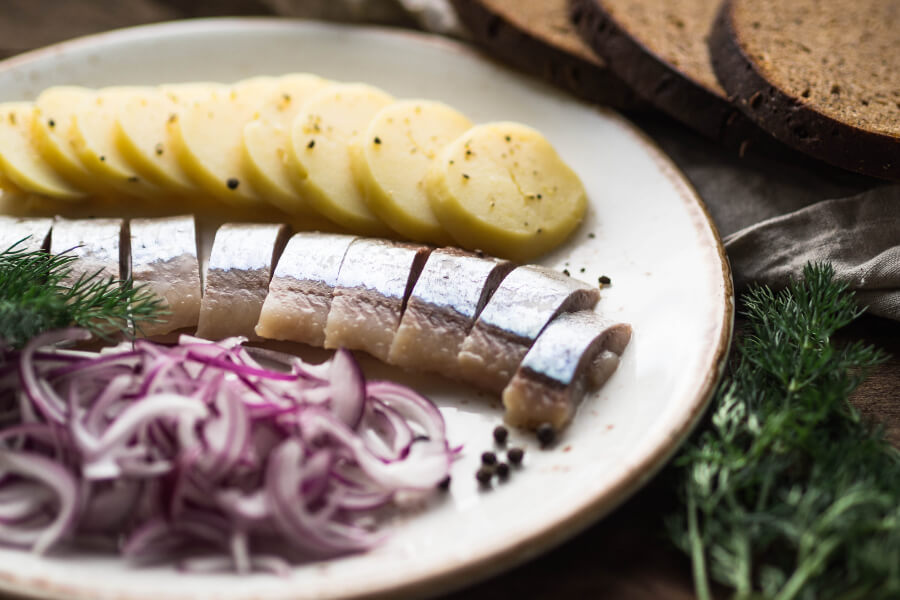
Modern Icelandic food is fresh, varied and international. Visitors will have their pick of fine dining experiences, vegan options and some of the best street food on the planet, not least the popular lamb-meat hot dogs that come covered in delicious local sauces such as remoulade and pylsusinnep. Seafood is a highlight, with fresh fish like cod, Arctic char, and salmon commonly featured on menus, often simply prepared to let the quality shine. However, Iceland’s traditional menu is likely only to appeal to those with a sterner stomach: fermented shark and sheep head are among two of the more unorthodox choices.
Like most Scandinavian countries, rye bread also features heavily, so possibly make that your go-to if you want to try a more innocuous local favourite. Many bakeries also serve this bread warm with butter, making it a simple but memorable introduction to local flavours.
Local snacks and street food
For a quick and affordable bite, Iceland’s street food scene is well worth exploring. Hot dog stands are a staple, particularly in Reykjavik, where locals and travellers alike line up for a simple, satisfying meal. These are typically served with a combination of crispy onions, ketchup, sweet mustard, and remoulade.
Convenience stores and petrol stations also offer surprisingly good ready-made meals, including sandwiches, soups, and pastries, which can be a practical option when travelling between destinations.
If you have a sweet tooth, look out for local treats like kleina (a twisted doughnut) or chocolate-covered liquorice, which is a popular Icelandic flavour combination. Trying a few local snacks is an easy way to experience everyday food culture.
Timing your visit to Iceland
Choosing when to visit Iceland can shape your entire experience, so understanding the seasons and weather will help you plan a trip that suits you.
Seasons and weather
Iceland is a country of contrasts, and when you visit can completely alter your travels. Understanding the best time to visit Iceland will help first-time travellers plan their trip around what they most want to see, from midnight sun in summer to the magical Northern Lights in winter.
-
Summer (June to August) brings long daylight hours, warmer temperatures, and accessible hiking trails. For those visiting Iceland for the first time, this is an ideal season to explore the countryside, drive the Golden Circle, and experience festivals in Reykjavik.
-
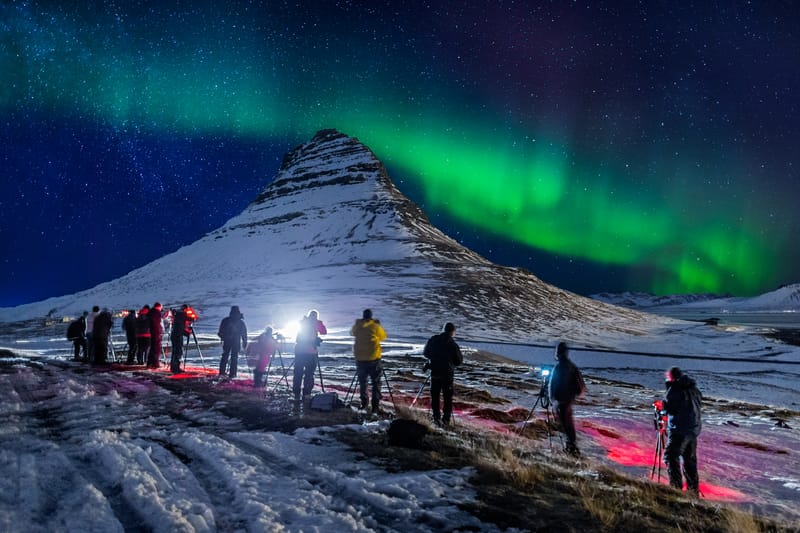
Winter (November to March) is the season for the famous Northern Lights. The aurora is most visible on clear, dark nights away from city lights, usually between September and April. Keep in mind that weather conditions can change rapidly, so flexibility is important.
-
Spring and autumn (fall) are quieter shoulder seasons, offering fewer crowds and a balance between daylight hours and seasonal activities. These can be ideal times to visit if you’re looking for a more relaxed experience.
Northern Lights and daylight hours
For many first-time travellers, seeing the Northern Lights is a highlight of visiting Iceland. The best time to see them is between September and April, when the nights are long and dark enough for the lights to be visible.
Clear skies and minimal light pollution improve your chances, so heading away from city areas can make a difference. While sightings can never be guaranteed, staying for several nights increases your chances. If you prefer to travel independently while aurora hunting but still want the planning taken care of, our Norway’s Northern Lights Explorer with Iceland tour is an ideal option, and includes a 10 night Havila Voyages cruise.
In contrast, the summer months bring the midnight sun, where daylight can last for nearly 24 hours. This extended daylight allows you to explore at a relaxed pace and fit more into each day. If you’re visiting in winter, it’s helpful to plan activities around the shorter daylight hours, with many travellers choosing to explore during the day and relax in the evening.
Getting around Iceland
Getting around Iceland is straightforward, particularly for first-time visitors. Reykjavík is easy to navigate by bus, operated by Strætó, while guided tours and organised itineraries make exploring further afield simple and stress-free.
Public transport, taxis and local travel
Getting around Iceland is relatively straightforward, particularly around the capital. Reykjavik has a reliable public bus system (there is no train service in Iceland) that connects key neighbourhoods and nearby towns, making it easy to explore. The main operator is Strætó, which runs services across the city and beyond, including to and from Keflavik Airport.
For travel between towns and regions, long-distance buses operate throughout the country, although services can be less frequent in more remote areas. Planning ahead and checking timetables in advance is essential, especially for travellers visiting Iceland for the first time.
Taxis are available in Reykjavik and other larger towns, but they can be expensive compared to public transport. Ride-sharing services like Uber are not widely available in Iceland, so it’s best to rely on local taxi services or pre-arranged transfers where possible.
Additional Iceland travel tips
A few practical details can make all the difference, helping you make the most of your time in Iceland with confidence.
ATMs and currency
Even small shops in Iceland take card payments, so there’s no need to take a large amount of cash on your holiday. If you do want to withdraw some just to be on the safe side, it’s best to do it at the airport because Iceland is largely cashless, and ATMs are typically only available in towns and at the airport. Most places accept contactless payments, making it quick and convenient to pay for meals, transport, and everyday purchases. The local currency is the Icelandic króna (ISK), although you may rarely need to use cash during your trip. In more remote areas, it can still be helpful to carry a small amount of cash, just in case.
Iceland does not have a tipping culture, so after meals, simply pay what’s on the bill. Visitors from outside the EU may be eligible for a VAT refund on certain purchases. Minimum spend thresholds apply, and refunds are processed at the airport before departure. Be sure to keep your receipts if you plan to claim a refund at the airport before departure.
Visas and travel requirements
Visitors from Australia, New Zealand and many other countries do not require a visa to enter Iceland. It’s best to check official government sources before travelling to confirm entry requirements. Make sure your passport is valid for the duration of your stay, with extra validity recommended for international travel.
While whale products are legally sold in Iceland, they are restricted or prohibited in many other countries, including across the European Union. Travellers continuing onward should avoid purchasing these items.
Safety precautions and local awareness
Iceland is considered one of the safest countries in the world, but its natural environment requires care and awareness. Weather conditions can change quickly, particularly in coastal and mountainous areas, so it’s important to check forecasts regularly and follow local advice.
When exploring natural sites such as waterfalls, beaches, and volcanic landscapes, always stick to marked paths and respect safety signage. Some areas, particularly along the coast, can be unpredictable and require extra caution.
Emergency services are reliable and easy to access by dialling 112 if needed. For added peace of mind, travellers can also register their travel plans with local authorities when heading into more remote regions. 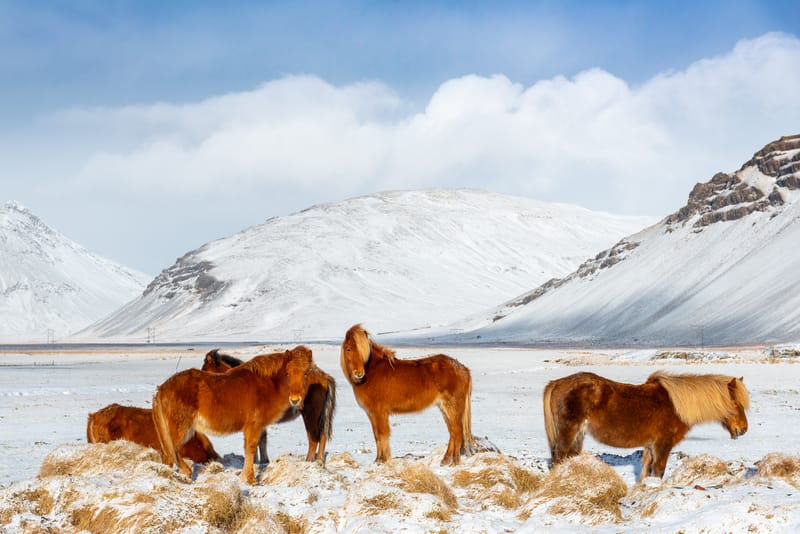
Frequently Asked Questions
Iceland-bound? Here are answers to some of the most common questions travellers have before venturing to this magical country.
1. Do I need a visa to visit Iceland?
Travellers from many countries, including Australia and New Zealand, can visit Iceland for up to 90 days without a visa. It’s always best to check official government advice or our Visa & Passport Information page before travelling to confirm your eligibility and entry requirements.
2. What is the best time to visit Iceland?
The best time to visit depends on what you want to experience. Summer offers long daylight hours and easier travel conditions, while winter is ideal for seeing the northern lights and enjoying snowy landscapes. Shoulder seasons can offer fewer crowds and a balance of both.
3. Can I see the Northern Lights in Iceland?
Yes, the Northern Lights are visible in Iceland between September and April, when nights are dark enough. Sightings depend on weather and solar activity, so while they can’t be guaranteed, staying multiple nights improves your chances.
4. Do people speak English in Iceland?
Yes, English is widely spoken throughout Iceland, travellers should have no difficulty communicating.
5. What should I pack for Iceland?
Pack warm, layered clothing, including waterproof and windproof outerwear. Comfortable walking shoes or boots are essential, along with accessories like gloves, a hat, and a scarf to stay comfortable in changing weather conditions.
Ready to explore Iceland and beyond? Whether you want to chase the aurora borealis on our Follow the Lights to Iceland tour, or experience the full sweep of Scandinavia with our multi-country itineraries, we have a journey to suit your style. Discover our range of tours and start planning your bucket list journey today.